 Gabriella
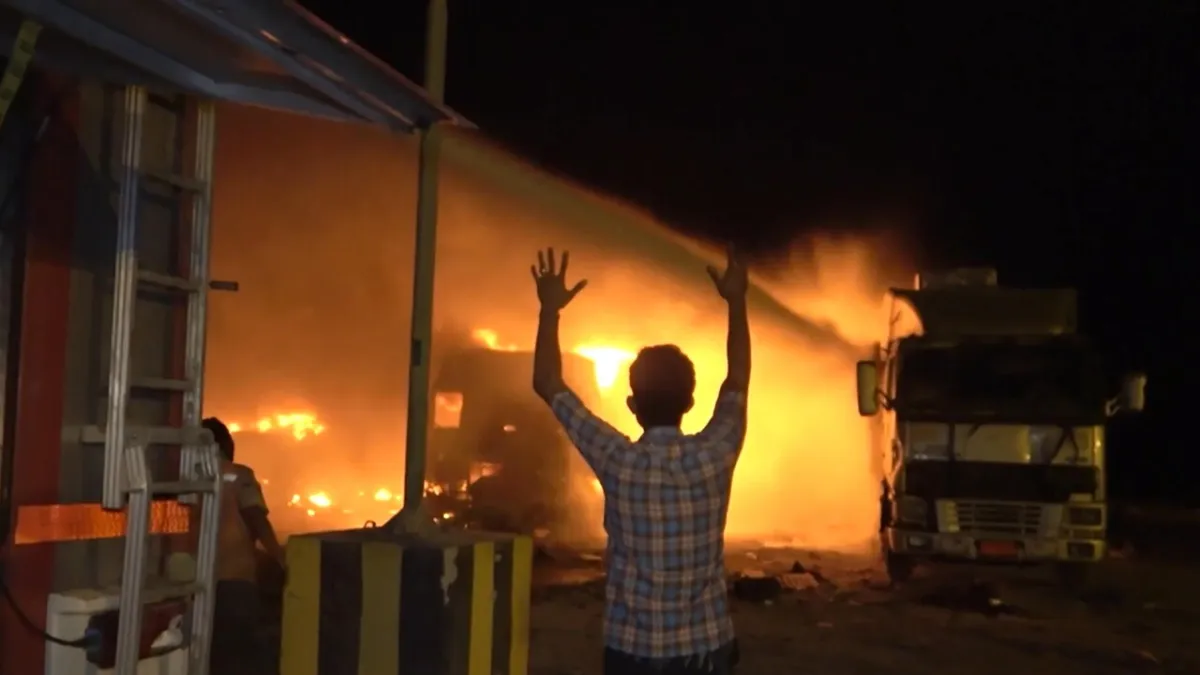
RIYADH – The Yemen conflict intensified once more in 2026 after an aerial attack by the Saudi-led coalition claimed the lives of at least 33 civilians, triggering an intense retaliation from the Houthi group. This tragic incident followed the interception of two ballistic missiles launched by Houthi forces towards the capital, Riyadh, by Saudi air defense systems, adding to a long list of escalating violence in the region.
The internationally recognized Yemeni government, supported by the Saudi coalition, accuses the Houthis of consistently targeting civilian areas, a charge the rebel group steadfastly denies. The coalition's airstrikes are presented as a response to Houthi attempts to strike population centers in Saudi Arabia, including Riyadh.
Initial data compiled from medical and local sources in Yemen indicates that the casualties from the Saudi airstrikes included women and children. Infrastructure damage was also reported in several targeted locations, exacerbating an already dire humanitarian crisis.
A spokesperson for the Saudi coalition stated that their military operations consistently target legitimate Houthi military objectives. We adhere strictly to international humanitarian law and take all precautions to avoid civilian casualties, he declared in an official statement. These strikes are a defensive response to the ongoing aggression by Houthi militias.
However, the Houthi group accuses the Saudi coalition of committing war crimes. They assert that the missile strikes on Riyadh were a legitimate act of retaliation for the massacres carried out by the coalition in Yemen. We will not stand idly by while our people are slaughtered, a Houthi official stated, requesting anonymity for security reasons.
This latest escalation fuels global concerns over stability in the Middle East. The protracted conflict in Yemen has generated one of the world's worst humanitarian crises, with millions facing starvation, disease, and displacement.
The international community, including the United Nations, has repeatedly called for an immediate ceasefire and the resumption of peace talks. However, both sides show few signs of compromise, with tensions only mounting.
Political analyst Dr. Fatima Al-Hassan from the Middle East University commented, This cycle of violence is difficult to break as long as regional geopolitical interests remain at odds. Every attack triggers a retaliation, sacrificing innocent civilians.
Similar past incidents, such as those in the Strait of Hormuz involving attacks on oil tankers, highlight the fragility of security in the region and how a small spark can ignite a larger conflict. This volatile regional environment necessitates a much stronger diplomatic approach from global actors.
President Donald Trump's administration in the United States and other major powers face pressure to play a more constructive role in de-escalating these tensions. Their focus on domestic issues often overshadows the urgency of the crisis in Yemen.
Pope Leo XIV has also voiced deep concern regarding the suffering in Yemen. In one of his recent addresses, he called for an end to this senseless war and implored world leaders to prioritize human lives.
Editorial Insight: The escalation of violence in Yemen, claiming 33 lives and met with missile retaliation in Riyadh, underscores a vicious cycle of conflict that is proving difficult to unravel. Without substantial international diplomatic pressure and a serious commitment from all parties to de-escalation, civilians will continue to bear the brunt of the suffering. The potential for this conflict to spill over into the wider region, as seen with incidents in the Strait of Hormuz, demands serious attention for both regional and global stability.