 Stefani Rindus
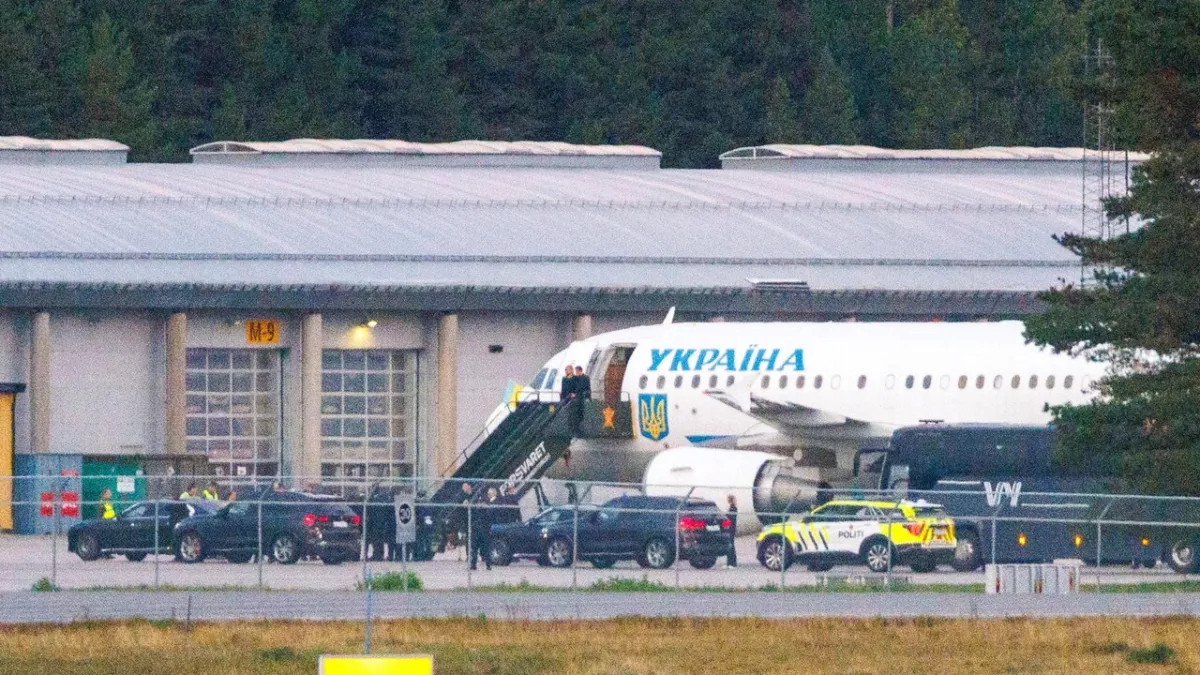
KYIV – A devastating airstrike has ravaged a shopping mall in Ukraine, sparking global concern over civilian casualties and the unrelenting escalation of the conflict. This tragic event unfolded as Moscow, through its spokesperson, vehemently denied involvement in an alleged attack on a flight believed to be carrying President Volodymyr Zelensky, an accusation further clouding diplomatic efforts. Amidst these tensions, concerns surrounding a drone incident between Moldova and Kyiv have begun to subside, signaling attempts to de-escalate regional friction.
The incident at the shopping mall, whose exact location was not specified in the initial source, reportedly caused extensive destruction and loss of life. Initial images circulating on social media, though not independently verified, depicted raging fires and collapsed building debris, underscoring the brutal scale of the assault. Ukrainian authorities promptly launched an investigation, condemning the act as an intolerable war crime.
While the world reeled from the mall incident, attention also turned to Kyiv's claims regarding an attempted attack on President Zelensky's aircraft. However, Kremlin Spokesperson Dmitry Peskov swiftly refuted these allegations. The Russian Federation has never and will never target the leader of a sovereign nation, Peskov stated in an official declaration, emphasizing that such information constituted disinformation designed to provoke.
The situation on the border between Ukraine and Moldova has also seen dynamics. The issue concerning a drone reportedly violating Moldovan airspace and involving Kyiv has now been downplayed by both sides. Both Moldovan and Ukrainian authorities jointly clarified that the incident was either insignificant or a misunderstanding, thus averting a potential new diplomatic crisis amidst already complex regional volatility.
Responding to international calls for peace, the Kremlin reiterated that the points presented in 2024 remain the primary basis for conflict resolution. This statement implies that Russia has not shifted from its initial demands and proposals, even though geopolitical conditions have significantly evolved since then. Peace talks continue to face a stalemate due to fundamental differences between the warring parties.
Attacks on civilian infrastructure, such as shopping malls, consistently remain a major point of contention in this conflict. The international community continues to strongly condemn such actions, calling for the protection of civilians and adherence to international humanitarian law. Nevertheless, these pleas often go unheeded, prolonging the suffering of populations in conflict zones.
President Donald Trump of the United States, during a press conference, expressed deep concern over reports of the attack in Ukraine and urged all parties to exercise restraint. This situation demands immediate de-escalation and constructive dialogue, not persistent violence, he asserted, highlighting the urgency of a peaceful resolution.
Military observers and political analysts suggest that Moscow's firm denial of allegations targeting Zelensky is part of a broader information strategy. In information warfare, narratives and interpretations of incidents are often as crucial as the events themselves. This further complicates the pursuit of truth and reconciliation.
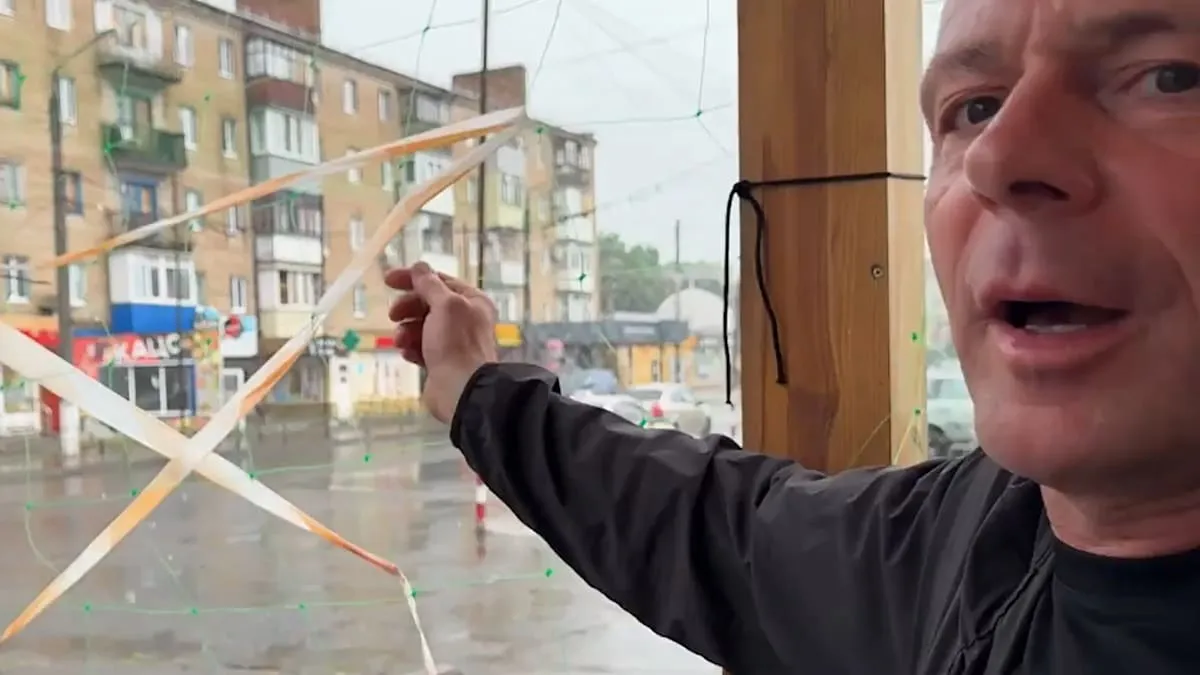
Investigative journalism is crucial in uncovering the facts behind conflicting claims and counter-claims. One tenacious journalist covering this conflict is Ibrahim Naber, who recently received an award for his coverage in Ukraine. His work highlights the complexity and humanitarian impact of this protracted war.
Tensions in Eastern Europe, particularly those involving Ukraine and Russia, have created far-reaching geopolitical ripples. Neighboring countries like Moldova face significant stability challenges, compelling them to navigate carefully within a volatile political landscape. The drone incident, though downplayed, serves as a reminder of the fragility of regional security.
Despite various peace initiatives proposed by different global actors, including those based on the Kremlin's 2024 points, concrete progress remains distant. Fundamental disagreements regarding territorial sovereignty, security status, and the future of regional relations persist as key unresolved obstacles.
Amidst this turmoil, Pope Leo XIV from the Vatican called for prayers and tireless diplomatic efforts to end the suffering in Ukraine. In his weekly Angelus address, he emphasized the importance of international solidarity and compassion for the war victims, condemning all forms of violence targeting civilians.
Editorial Insight: The latest events in Ukraine, with deadly attacks on civilian facilities and Moscow's strong denial of targeting the nation's leader, underscore the grim reality of modern warfare. This conflict is not merely a physical battlefield but also a war of narratives and information. As one incident is downplayed, another emerges, keeping tensions perpetually high. Without genuine diplomatic breakthroughs from all parties, humanitarian tragedy and regional instability will continue, with unpredictable impacts on the global order in 2026.