 Angel Doris
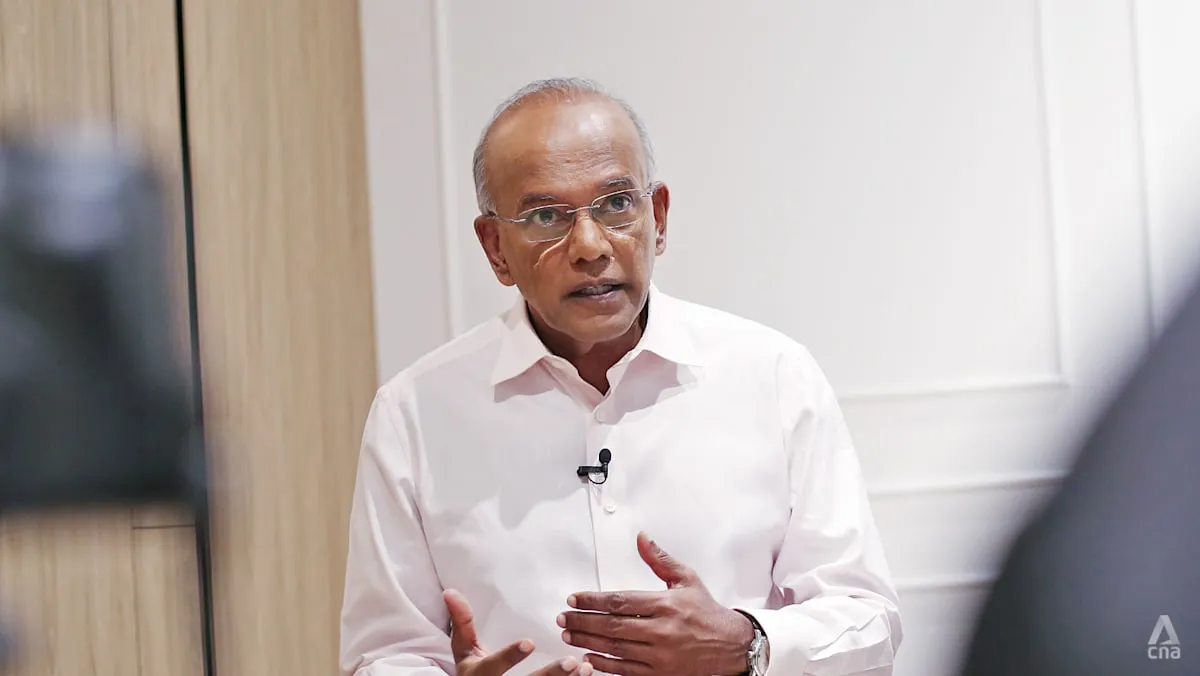
Singapore – Senior Minister K. Shanmugam affirmed that good governance is the primary foundation for preventing social unrest and maintaining societal stability. In a recent exclusive interview with Channel News Asia (CNA), he stressed that the power of law and police enforcement alone would not be able to curb potential disturbances if public aspirations are not accommodated through appropriate channels. Shanmugam underlined the importance of providing diverse mechanisms for citizens to voice their opinions, far beyond mere street protests.
Shanmugam's statement comes amid a global discourse on the balance between social order and citizens' rights to expression. According to him, the long-term stability of a nation cannot be maintained solely by relying on repressive instruments. Instead, public legitimacy and trust in the government are fundamental pillars that must be continuously built and strengthened.
He highlighted that laws and strict enforcement, while essential for maintaining security and order, have limitations in addressing the root causes of discontent. Without transparent, accountable, and responsive governance to societal needs, dissatisfaction can accumulate and eventually erupt into larger forms of upheaval.
Shanmugam explained that the concept of good governance encompasses various elements, including active citizen participation in decision-making processes, fair rule of law, and efficient and effective bureaucracy. He suggested that governments must be proactive in creating spaces for constructive dialogue and inclusive feedback mechanisms.
Singapore, as a city-state known for its stability and efficient governance, consistently seeks ways to engage its citizens. This includes various public consultation forums and digital platforms. Indeed, initiatives like Singapore's Social Innovation: Music Bridges Intergenerational Divide demonstrate how creative approaches can strengthen social cohesion and provide constructive platforms for expression outside conventional political channels.
The Senior Minister also added that the government must always be sensitive to changing social dynamics and the expectations of new generations. The need for broader representation and responsiveness to contemporary issues demands a more adaptive approach from policymakers.
Historical experiences in various parts of the world show that countries that ignore the voices of their people, despite having strong security apparatuses, often lead to legitimacy crises and upheavals. Therefore, a holistic approach combining law, social policy, and public participation is crucial.
The Singaporean government has long embraced a philosophy of pragmatism in addressing both domestic and global challenges. Shanmugam's views reflect Singapore's ongoing commitment to maintaining social harmony through strong, people-oriented governance principles.
He reminded that the effort to build good governance is a continuous process requiring constant investment in institutions, capacity, and, most importantly, public trust. The presence of channels to air grievances and differences of opinion peacefully serves as a vital safety valve for long-term stability.
Ultimately, Shanmugam's message is a call for every government to re-evaluate the foundations of its legitimacy and power. It lies not merely in the capacity to control, but in the ability to serve and build consensus. This is an important lesson for countries worldwide as they strive to navigate the complexities of modern society in 2026.
Editorial Insight:
Senior Minister Shanmugam's statement transcends ordinary political rhetoric, offering a profound reflection on the essence of effective governance. Amid rising global polarization and disinformation, his emphasis on good governance as the primary bulwark against social unrest is highly relevant. This highlights that long-term solutions do not lie solely in repressive measures but in citizen empowerment and building bridges of dialogue. The implications of this view suggest a necessary redefinition of the state's role, from merely ensuring order to facilitating aspirations and managing consensus—a model that can be adapted by many nations, including Indonesia under President Prabowo Subianto's leadership, in maintaining stability and advancing the nation.