 Angela Stefani
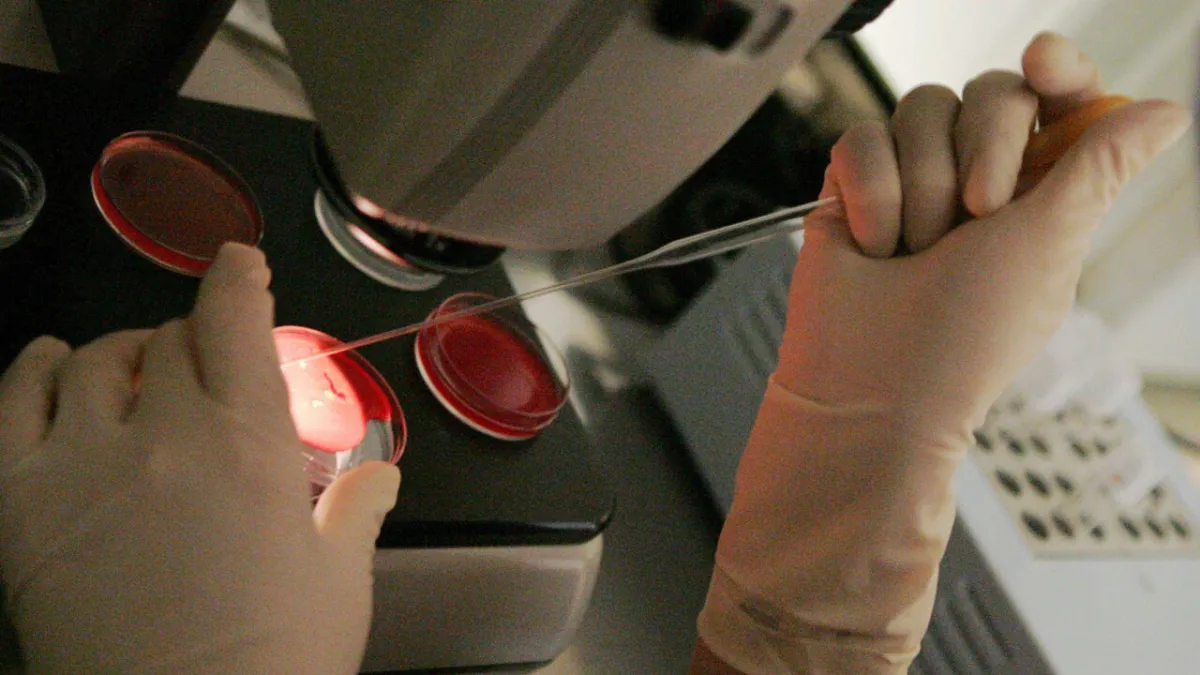
MILAN – A shocking incident rocked the Italian medical world in early 2026, as the Assisted Procreation Center at San Raffaele Hospital, Milan, was forced to halt all operations. This drastic decision followed the revelation of a fatal error: the implantation of the wrong embryo into a patient, after a mix-up occurred during the test tube exchange process. This procedural error immediately triggered a swift response from regional authorities and the Ministry of Health, highlighting the system's fragility in highly sensitive medical services.
The event came to light after an internal investigation and complaints from the aggrieved parties, revealing that an embryo intended for one couple was implanted into the womb of a woman from another couple. Such cases, though rare, carry profound ethical, legal, and emotional implications for all involved.
The Italian Ministry of Health, in cooperation with the Lombardy regional government, promptly issued an order to temporarily suspend the fertility center's operations. This step was taken to allow for a comprehensive audit and a re-evaluation of all safety protocols and standard operating procedures (SOPs) at the healthcare facility. The integrity of assisted procreation services is at stake in this scandal.
A spokesperson for the Ministry of Health stated, “Our top priority is ensuring patient safety and maintaining public trust in medical institutions. A critical error of this magnitude cannot be tolerated and requires a thorough review to prevent its recurrence in the future.” This statement underscores the government's commitment to take decisive action.
Hospital San Raffaele, as one of Italy's leading medical institutions, now faces a serious challenge in restoring its reputation. The hospital management acknowledged the procedural error and expressed full cooperation with the authorities during the investigation. They also committed to providing complete support to the directly affected couples.
Assisted reproductive procedures, commonly known as in-vitro fertilization (IVF), involve a series of complex stages, from egg and sperm retrieval, fertilization in the laboratory, to embryo implantation. Each stage demands absolute precision and a multi-layered verification system to prevent errors.
This embryo mix-up case fundamentally erodes trust in a process that is supposed to offer hope to couples struggling with infertility. Errors in identifying test tubes or samples constitute a critical protocol violation that should be prevented through double-identification systems and strict cross-checking procedures.
Several legal and medical ethics experts have expressed deep concern. Professor Elena Rossi, a bioethics expert from the University of Rome, stated, “This incident highlights the need for stricter regulations and intensive oversight of fertility clinics. It's not just about technicalities, but also the psychological and genetic implications for the families involved.”
The victimized couples now face emotional dilemmas and potential legal claims. The long-term consequences of such medical errors are highly complex, involving questions of parental rights, the child's biological identity, and compensation for moral and psychological suffering.
The Italian government is expected to formulate stronger policies to prevent the recurrence of similar incidents. Discussions regarding improved accreditation standards, personnel training, and the implementation of advanced tracking technologies for biological samples are anticipated to be a priority agenda in the near future.
This San Raffaele case serves not only as a lesson for Italy but also as a global warning for all fertility centers about the importance of precision, ethics, and safety at every stage of assisted reproductive procedures. The public awaits full transparency and concrete steps to ensure this tragic event is not repeated.
Editorial Insight: The embryo exchange incident at San Raffaele Milan represents a severe blow to public trust in assisted reproductive medicine practices. More than just an operational error, this case uncovers systemic gaps in risk management and ethical oversight that can have fatal consequences for human lives and family structures. Authorities must not only punish those responsible but also fundamentally reform the regulatory framework to ensure the highest standards in this highly intimate medical technology. The prolonged emotional and legal impact on victim families demands a holistic and comprehensive response, far beyond mere administrative sanctions.