 Chris Robert
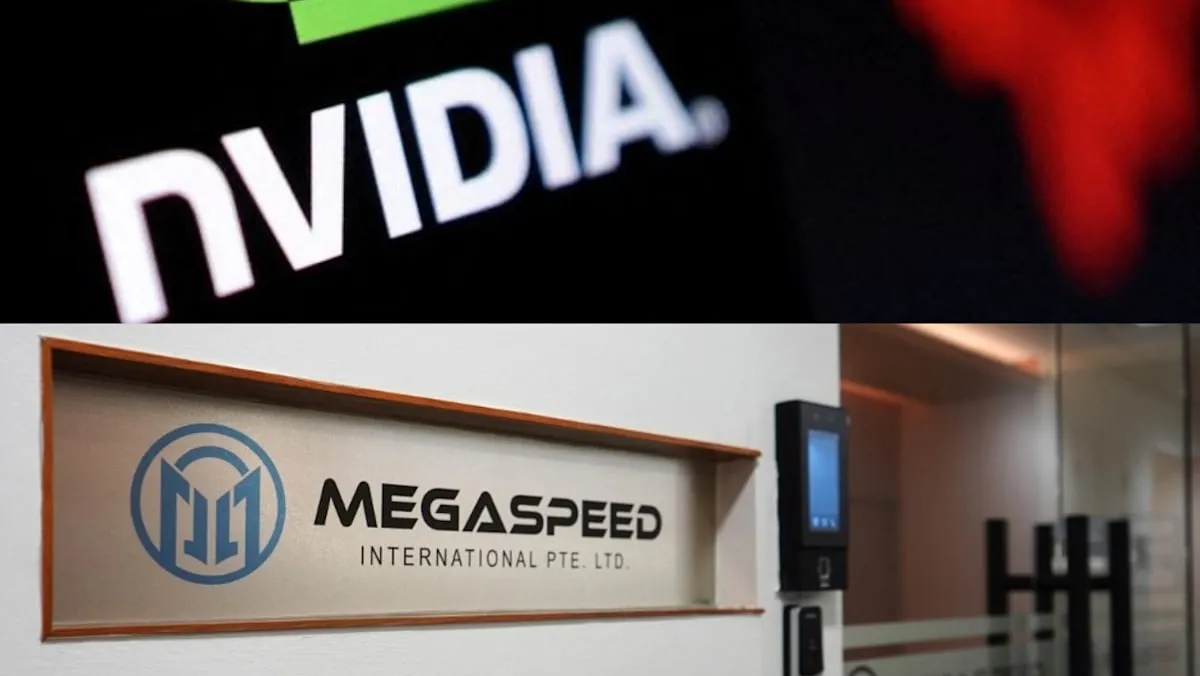
SINGAPORE – Allegations implicating Singapore-based firm Megaspeed in facilitating China's access to advanced semiconductors from the United States have ignited intense global scrutiny on chip giant Nvidia. This scandal, which emerged following the revelation of an extramarital affair, is anticipated to restrict Singapore's maneuverability within the global chip industry and potentially hinder the performance of various companies in the region.
A thorough investigation is now focusing on how Megaspeed, an Nvidia client operating in Southeast Asia, allegedly circumvented stringent export controls imposed by Washington. Advanced semiconductor chips produced by Nvidia are crucial components for the development of artificial intelligence (AI) and military technology, making them strategic assets in the geopolitical rivalry between the United States and China.
Industry analysts have voiced serious concerns regarding the long-term ramifications of these events. Singapore, which has traditionally positioned itself as a neutral technology and manufacturing hub, now finds itself embroiled in the escalating chip trade war between the world's two largest economies.
Sources close to the investigation reveal that the exposed affair served as a catalyst. Sensitive information leaked from the relationship inadvertently unveiled Megaspeed's alleged practices, subsequently triggering an intensive review of the company's operations and its ties with Nvidia. This underscores the vulnerability of technology supply chains to personal factors.
The administration of US President Donald Trump has consistently pursued aggressive policies to limit China's access to cutting-edge chip technology, citing national security concerns. Any entity suspected of violating these restrictions faces severe sanctions, a prospect now looming over Megaspeed and, indirectly, Nvidia itself.
For Nvidia, a technology behemoth renowned for its semiconductor innovations, this scandal adds to a growing list of challenges. The company has recently also been under scrutiny for internal issues and its legal strategies. In confronting this pressure, Nvidia CEO Jensen Huang reportedly hired a law firm affiliated with President Donald Trump in 2026, indicating the gravity of the situation.
Economic policy observers in Singapore fear that this incident could tarnish the nation's reputation as a reliable and independent business partner. Investor confidence and that of potential business collaborators will erode if Singapore is perceived as incapable of ensuring that companies within its jurisdiction adhere to international regulations, particularly those pertaining to sensitive technology exports.
The repercussions are not confined to the corporate sector. Tensions arising from this scandal could spill over into the diplomatic sphere, forcing Singapore to navigate an increasingly complex balance between national economic interests and compliance with global demands from superpowers. This situation is compounded by China's efforts to build advanced AI using restricted Nvidia chips, further deepening global concerns.
International research institutions and think tanks predict that the Nvidia-Megaspeed saga will prompt a comprehensive overhaul of compliance practices across the entire semiconductor supply chain. Companies operating in grey areas will find it increasingly difficult to operate, and pressure for transparency and adherence will significantly mount.
This incident serves as a stark warning to the entire global technology ecosystem. Amid shifting geopolitical dynamics, companies must exercise greater vigilance regarding potential risks and implications arising from cross-border partnerships, especially when advanced technology becomes the focal point of global power competition.
Editorial Insight: The Nvidia-Megaspeed scandal is more than just a corporate drama or a personal ethical issue. It is a direct reflection of the geopolitical turbulence defining the year 2026, where technology has become a primary battleground. For Singapore, this incident presents a severe test of its capacity to maintain economic neutrality while ensuring global compliance. Failure to navigate this crisis could threaten the very foundations of the city-state's economy, which heavily relies on international investment and trade, while also accelerating the fragmentation of the global technology supply chain into opposing blocs. The future of the chip industry and the strategic position of smaller nations amidst the struggle for technological influence will be largely determined by how cases like these are managed.