 Chris Robert
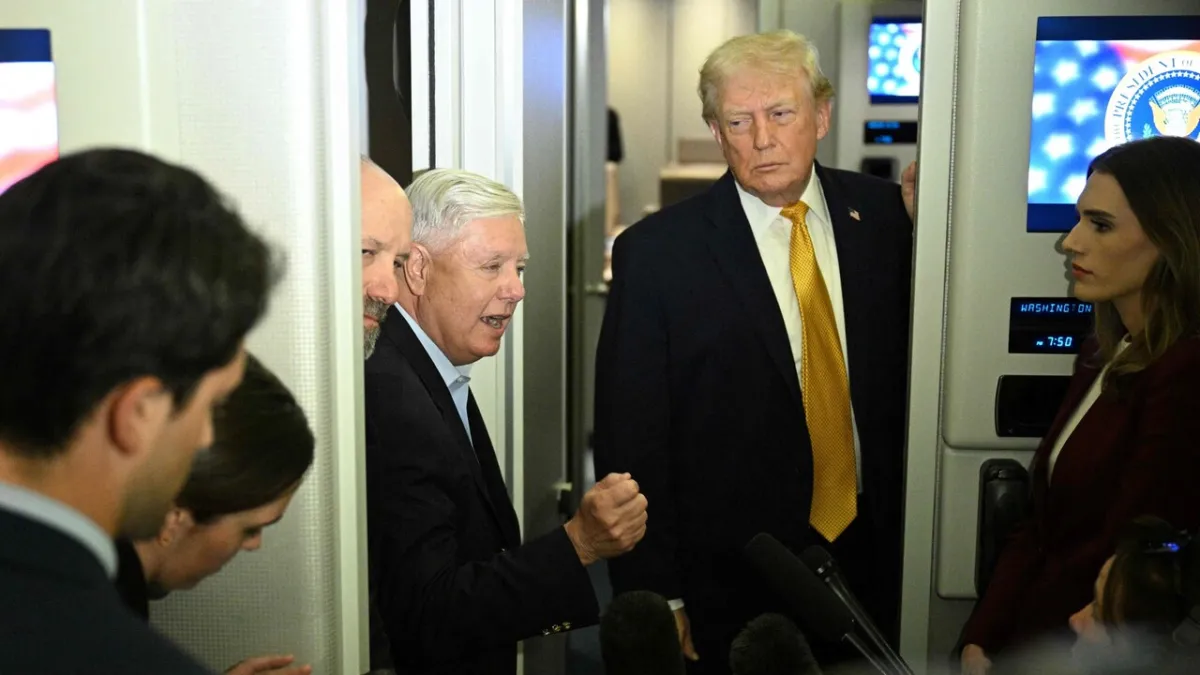
WASHINGTON — Senior Republican Senator Lindsey Graham has died at the age of 71 after suffering a brief and sudden illness. The passing of the influential figure, known as a close ally of former President Donald Trump, immediately shook the corridors of power in Washington, triggering speculation about its political implications in 2026.
Graham, who served as a senator representing South Carolina since 2003, leaves behind a long and often controversial political career. His reputation as a shrewd and outspoken politician made him a key voice in numerous important legislative debates on Capitol Hill.
His association with Donald Trump became one of the defining features of his later career. Although initially a fierce critic of Trump, Graham later became one of his most loyal supporters, particularly during and after Trump's presidency.
Sources close to the Capitol confirmed the sad news in mid-November 2026, without providing further details on the nature of his illness. The news spread rapidly, eliciting waves of sympathy and condolences from across the American political spectrum.
Throughout his career, Senator Graham was known for his firm views on foreign policy, especially regarding national security and US military intervention. He often voiced strong stances against countries like Iran. This position is highly relevant to the current geopolitical situation, as discussed in Turmoil in Hormuz: Iran Blocks Crucial Strait, US Retaliates with Missile Strikes.
As a member of the Senate Judiciary Committee, his role was crucial in confirming federal judges and addressing legal issues. His voice was always considered vital in determining the direction of legal and justice policies at the national level.
Republican Party leaders expressed their profound condolences. Senate Majority Leader, Senator Mitch McConnell, called Graham 'a true patriot who relentlessly served his country.'
From the Democratic camp, despite frequent disagreements, several figures also acknowledged Graham's contributions. Senator Amy Klobuchar, for instance, stated, 'Although we often differed in opinion, I always appreciated his courage and commitment to what he believed was right.'
Graham's departure is expected to create a significant void in the Senate, particularly within the conservative faction that had relied on his influence. This could trigger a scramble for the seat in South Carolina and potentially shift the power dynamics on Capitol Hill.
Filling the Senate seat in South Carolina will become a matter of national attention. The Governor of South Carolina has the authority to appoint an interim replacement until a special election can be held in the near future.
Political analyst Dr. Sarah Chen of Georgetown University highlighted, 'Senator Graham's passing is not just the loss of an individual, but also a symbol of a particular political era. His ability to navigate complex relationships with Donald Trump made him unique.'
Comments from former President Donald Trump himself are expected to emerge soon, given their close relationship. Graham was one of Trump's most vocal defenders, especially on sensitive issues.
Graham's political legacy also includes his support for various military reforms and conservative immigration policies. He was a consistent voice for veterans and national defense.
South Carolina is now preparing for a political transition that may happen quickly. With the upcoming midterm elections in November 2026, filling this seat will be a primary focus.
The public and social media are inundated with condolences, reflecting Graham's long track record on the national political stage. Many recall iconic moments from his colorful career.
The long-term impact of Graham's death on the Republican Party's political landscape remains to be seen. Will a new leader emerge to fill the void, or will further fragmentation occur within the party?
This event adds to the list of challenges for Republican leadership in the Senate, which must maintain party cohesion ahead of critical upcoming elections.
His sudden death underscores the fragility of life and the unpredictable nature of modern political dynamics.