 Edward DP Situmorang
TOKYO – In a revelation surprising to many sports observers, the practices and training methods within Japan's traditional sport of sumo in 2026 are found to be almost identical to those employed two centuries ago, specifically in 1826. This phenomenon suggests that this ancient sport may have already reached its peak optimization, raising fundamental questions about its evolution and adaptation amid the currents of modernization.
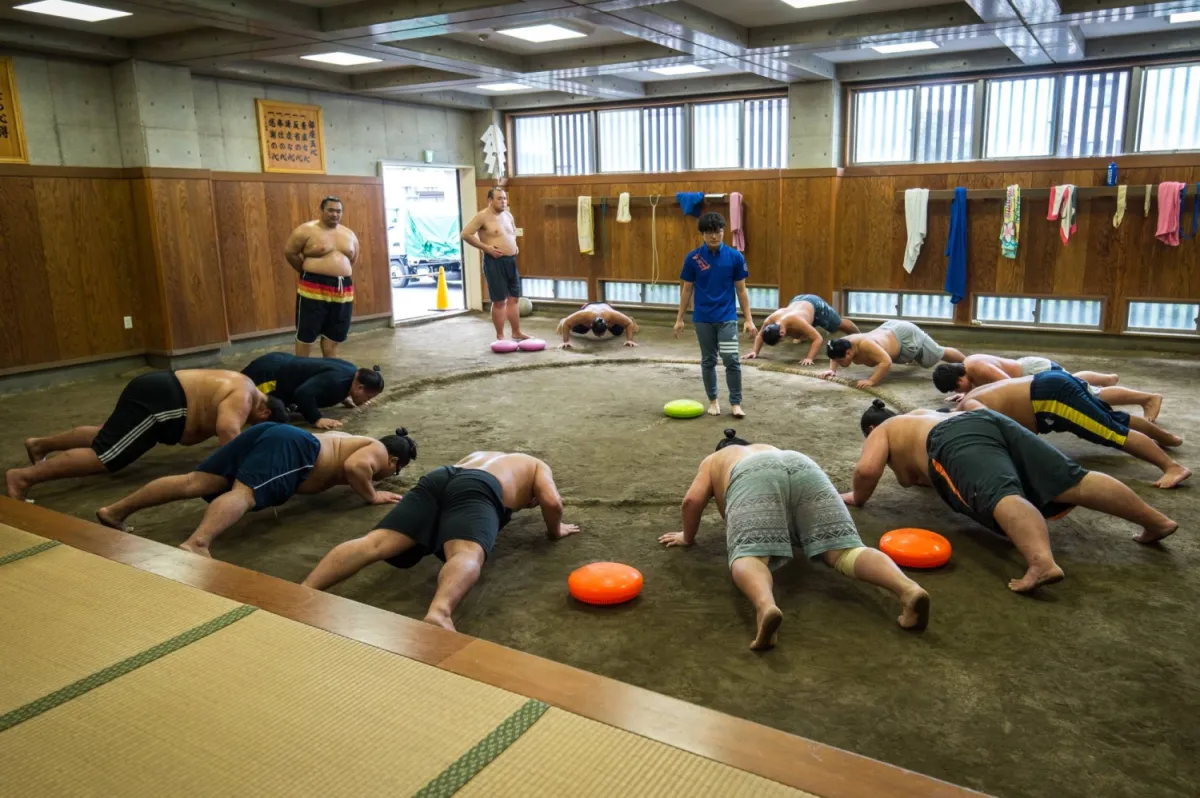
In-depth observations at various sumo stables, or heya, across the capital city of Tokyo reveal an extraordinary consistency in every aspect of training. From stringent morning rituals to a specialized diet emphasizing chanko-nabe, and fundamental techniques such as shiko (high leg stomps) and teppo (pushing exercises), all are maintained with admirable fidelity to ancestral heritage.
Sumo wrestlers, or rikishi, training today undergo the exact same regimen as their predecessors. There are no significant innovations in equipment, strategy, or even the philosophy that underpins their training. This indicates that the centuries-old, proven system is regarded as the most effective formula for producing formidable and skilled athletes.
However, beneath the admiration for this traditional resilience, a fierce debate emerges. Does this peak optimization imply that sumo has achieved a perfect form requiring no further change, or does it symbolize a stagnation that risks being overlooked by future generations accustomed to continuous innovation?
Many argue that the purity of tradition is sumo's primary strength. Its appeal lies in its authenticity as a reflection of ancient Japanese culture, complete with the Shinto rituals accompanying every bout. It is not merely a sport, but a profound spiritual and cultural spectacle.
Conversely, some observers worry that a reluctance to adapt could hinder sumo's growth and competitiveness on the global stage. How can sumo attract new audiences outside Japan if it demonstrates no flexibility in facing contemporary challenges?
An interesting comparison can be drawn with Japan's broader economic and social dynamics. While Japan is known as an innovative nation in technology, as evidenced by news regarding the Nidec accounting scandal in 2026 uncovering reform limitations, and also the issue of Japan's reluctance to increase foreign workers amid a labor crisis in 2026, cultural traditions often remain steadfast and unyielding.
Art is a form of cultural reflection, stated a Japanese art curator recently in the context of Manchevski's acclaimed work in Tokyo in 2026. This statement underscores how sumo is viewed as more than just physical competition.
The next question is how sumo will navigate its future. Can this proven tradition continue to attract interest without substantial modifications? Or will pressures from the modern world force inevitable, perhaps minimal, adaptations in the years to come?
The oyakata (sumo stable masters) and the Japan Sumo Association seemingly remain firm in their belief that sumo's strength lies in its timeless essence. For them, preserving tradition does not equate to stagnation, but rather an homage to a heritage perfect in itself.
Editorial Insight:
This phenomenon of stable sumo methods highlights the dilemma between cultural preservation and the demands of modernity. If sumo indeed reached peak optimization two centuries ago, it challenges our conventional understanding of progress and evolution in sports. Sumo's core value as a guardian of tradition might be its greatest asset, despite the risk of limiting its global appeal. However, in a fast-paced world, the allure of authenticity and timelessness could be the very uniqueness that ensures its continued existence.