 Angel Doris
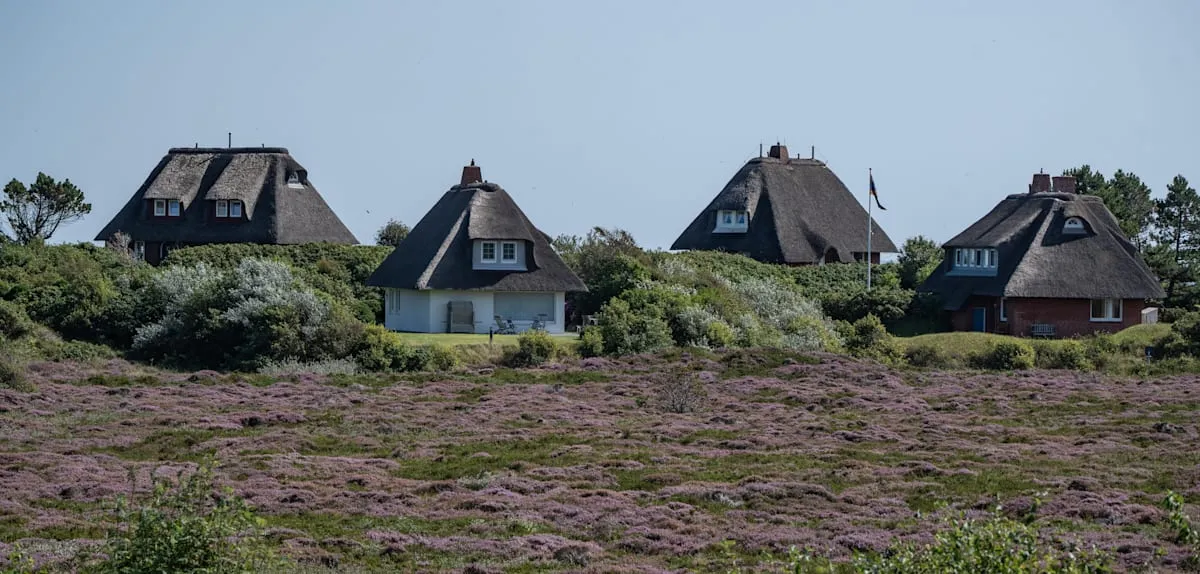
SYLT — The protracted conflict concerning the legality of holiday apartments on Sylt Island, North Germany, has now reached its peak. Local authorities have reportedly closed dozens of illegally rented properties, triggering a wave of uncertainty for owners and a fierce debate about the future of the iconic island's tourism. This escalation was fueled by a series of reports from an anonymous denouncer, who systematically exposed illegal practices to law enforcement.
The situation on one of Germany's most popular holiday destinations is growing increasingly tense, with many property owners feeling cornered by the government's crackdown and strict public scrutiny. These closures are not merely about enforcing rules; they reflect a deeper struggle for identity, where the need for permanent housing for local residents clashes with the profits from the tourism sector.
Authorities in Sylt confirmed that extensive investigations were conducted after receiving detailed information about properties violating zoning regulations and operational permits. "We are acting based on applicable law and to protect the character and socio-economic balance of this island," stated a municipal government spokesperson, who wished to remain unnamed, earlier this week.
The primary focus of law enforcement lies in compliance with Bebauungsplan B28, or Building Plan B28, which strictly regulates land use and building types on Sylt. This plan is designed to prevent overexploitation and maintain the island's unique ecosystem and residents' quality of life. However, some property owners claim these regulations are too repressive and do not accommodate economic realities.
The practice of illegal apartments, often operating under the radar without proper permits, has long been a problem in Sylt. Many owners convert their residential properties into short-term rental units for tourists, seeking significant financial gain, but neglecting the impact on housing availability for local residents.
The presence of an active denouncer reporting violations served as a catalyst for this decisive action. Although their identity is kept confidential for security reasons, their accurate and detailed reports have allowed authorities to act swiftly. This phenomenon of "whistleblowers" often triggers ethical dilemmas between law enforcement and potential social conflict.
Sylt's community is divided. On one hand, there are concerns that uncontrolled waves of tourism will displace native residents and turn the island into a "ghost town" outside holiday seasons. Soaring property prices and a scarcity of affordable housing have become crucial and distressing issues.
On the other hand, the tourism sector is the backbone of Sylt's economy. Many local businesses, from restaurants to souvenir shops, heavily rely on the arrival of tourists. The closure of holiday apartments could potentially reduce the number of visitors and threaten their livelihoods.
The debate over "Sylt's future" is not new. For years, residents, politicians, and entrepreneurs have tried to find common ground between preserving tradition and adapting to the demands of modern tourism. Building Plan B28 is one such effort to balance these interests, although its implementation has not always been smooth.
The local government now faces significant challenges in navigating this complexity, while ensuring fairness for all parties. The legal process for offenders may be lengthy, and its impact on the island's tourism industry will continue to be monitored. The fundamental question remains: how can Sylt maintain its appeal as a holiday destination without sacrificing the essence of its local community? This situation also brings to mind debates about property investment vs. rental housing, as discussed in the article Buy or Rent Property in 2026: Map Reveals Which is More Profitable in Your Area, which is relevant for many areas under tourism pressure.
The policies adopted by the Sylt authorities, supported by Building Plan B28, signify a serious commitment to managing tourism growth sustainably. This step is crucial to preserving the island's cultural and environmental richness, and to ensuring that local residents have access to decent housing.
The resolution of this conflict will not only shape Sylt's economic landscape but also redefine the relationship between its citizens, authorities, and the tourism industry. Decisions made today will resonate far into the future of this beautiful island.