 Dorry Archiles
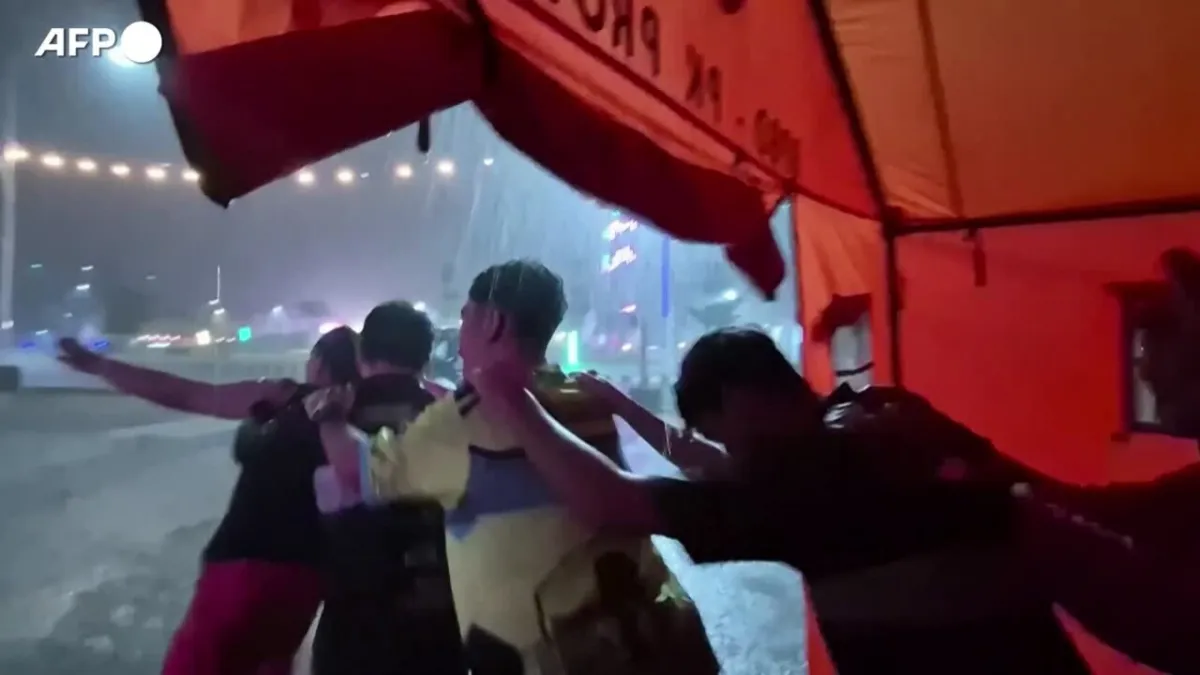
Palangkaraya – After months of being ravaged by forest and land fires (Karhutla) causing thick haze to blanket the Central Kalimantan region, particularly the city of Palangkaraya, heavy rain finally graced the earth this week in 2026. The arrival of this natural blessing was met with an outpouring of emotion and profound joy by volunteers who had tirelessly fought to extinguish the fires and assist affected communities.
Heartwarming scenes were captured across various parts of the city. Volunteers, who had been grappling with heat, smoke, and danger, could not contain their overwhelming happiness. Tight hugs, joyous shouts, and running around under the downpour served as silent witnesses to the immense suffering they had endured. Tears of relief streamed down weary faces, now adorned with relieved smiles, marking the end of a dark period.
The haze disaster that struck Palangkaraya and its surroundings was a serious event. For months, the air quality index remained in the dangerous category, forcing schools to close, hindering economic activities, and causing thousands of residents to suffer from respiratory problems. Data from the Ministry of Environment and Forestry (KLHK) indicated tens of thousands of hectares of peatland and forest were consumed by fire, leaving a significant carbon footprint.
The Central Kalimantan Provincial Government, in cooperation with the Regional Disaster Management Agency (BPBD), TNI, Polri, and Manggala Agni, had exerted every effort. Ground and air operations through weather modification techniques were intensified, but the sheer scale of the fires, especially on difficult-to-extinguish peatlands, posed an enormous challenge. Thousands of volunteers, both from local and national organizations, actively participated in firefighting efforts and aid distribution.
The President of the Republic of Indonesia, Prabowo Subianto, had previously emphasized the importance of serious handling of Karhutla, instructing all levels of government to synergize. 'Environmental protection and public health are top priorities. We must learn from every disaster to strengthen mitigation and response,' he stated in an official release. This instruction spurred closer cross-sectoral coordination in the field.
This rain is not just water; it is a sign of hope. Dry and fire-prone peatlands are now beginning to get wet, reducing the risk of new hotspots emerging. Atmospheric conditions are also gradually improving, allowing fresh air to be breathed by residents again. This is a crucial moment for ecosystem recovery and public health.
Nevertheless, the Head of the Meteorology, Climatology, and Geophysics Agency (BMKG) warned that the rainy season still has potential for variability. 'We must not be complacent. Karhutla prevention efforts must continue, even during the rainy season, to ensure no new hotspots reappear,' he said. Public education about the dangers of land clearing by burning remains a primary agenda.
The community of Palangkaraya is now slowly recovering. Children can return to school, economic activities are revitalized, and the city's atmosphere is gradually returning to normal. The bitter experience of months under haze has fostered a collective awareness of the importance of preserving the environment.
The success of this emergency response is inseparable from the hard work and sacrifice of the volunteers. They are unsung heroes who risked their health and time to save the environment and their fellow humans. This moment of happiness serves as recognition of their extraordinary dedication.
Editorial Insight:
The arrival of rain in Palangkaraya is a blessing, but it is not the end of the struggle. The fundamental challenge remains in sustainable Karhutla prevention, especially given the vulnerable peatland ecosystem. The central government under President Prabowo Subianto's leadership and local governments must seize this momentum to strengthen peatland restoration policies, enforce laws against those who burn land, and empower indigenous communities in forest conservation. Without structural measures, the cycle of haze disasters will continue to haunt. Global climate change issues also demand serious commitment, as highlighted in the COP17 Armenia discussions, which underscore the urgency of collective action for nature.