 Stefani Rindus
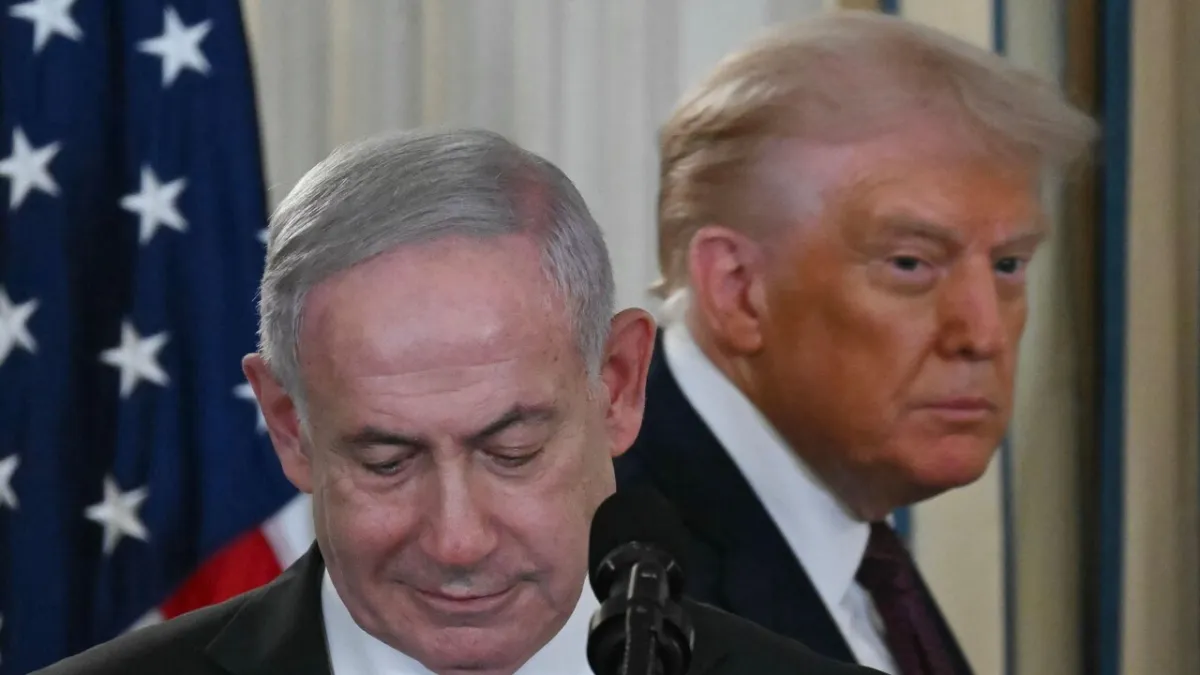
WASHINGTON – The world has been shaken by serious reports regarding an escalation of geopolitical tensions, as intelligence indicates that Tehran is allegedly targeting the son of US President Donald Trump, Barron Trump, and the son of Israeli Prime Minister Benjamin Netanyahu, Yair Netanyahu. This revenge threat has sparked global concern over its broader impact on regional stability, prompting urgent dialogue between the two Western leaders.
News of Tehran's retaliatory plans, conveyed through confidential intelligence channels, speaks of conspiracies and serious threats against the core family members of its adversaries. The primary focus is on Barron Trump and Yair Netanyahu, who symbolically and personally represent vulnerabilities for their fathers on the world political stage.
Israeli Prime Minister Benjamin Netanyahu, in a tense phone conversation with President Donald Trump, bluntly stated, 'You don't deal with savages.' This remark, which later leaked to the public, highlights Israel's view of the Iranian regime and underscores the hardline stance that must be adopted.
Threats against the family members of state leaders constitute a red line in international conflict. This significantly raises the stakes and could potentially trigger a much harsher response from the targeted parties, considering that even norms of war often respect non-combatants.
This incident is not the first time Tehran has been accused of launching retaliatory operations against US and Israeli interests. However, directly targeting leaders' family members marks a shift to more extreme and daring tactics, indicating a deep level of desperation or conviction on Iran's part.
The US and Israeli governments, through their respective intelligence agencies, reportedly immediately increased security for the leaders' families. Strict preventive measures were taken to ensure the safety of Barron Trump and Yair Netanyahu, following credible threat information.
President Trump, known for his firm rhetoric, has not yet issued a direct public statement regarding the threat to his son. However, White House circles indicate that this incident has reinforced his determination to pressure Tehran with heavier economic and diplomatic sanctions.
Relations between Washington, Jerusalem, and Tehran have long been marked by friction. A series of incidents, ranging from Iran's nuclear program, support for proxy groups in the Middle East, to US economic sanctions, continue to fuel burning tensions in the region.
Geopolitical analysts view the targeting of family members as an attempt by Iran to provoke, intimidate, and test the patience of its adversaries. Such a strategy is highly risky, as it could easily lead to miscalculations culminating in large-scale open conflict.
Security in the Middle East is now on the brink. This escalation of threats necessitates swift action from the international community. Without effective diplomatic steps and collective pressure, the situation could quickly deteriorate into a confrontation nobody desires.
This report also raises questions about the source of the intelligence leak and how such sensitive information could reach the public. This underscores the complexity of intelligence operations amid an increasingly fierce information war.
Chairman of the Senate Foreign Relations Committee, Senator Michael Davis, called for restraint from all parties. 'Involving families in geopolitical conflicts is an unacceptable act and must be strongly condemned by all civilized nations,' Davis said in a press statement.
Other world leaders, while not yet openly condemning Tehran specifically, have voiced their concerns about the rising tensions in the Middle East and called for immediate de-escalation to prevent a larger conflict.
Editorial Insight:
The threats against the sons of President Trump and PM Netanyahu mark a dangerous turning point in the dynamics of the Iran-Western conflict. This is no longer merely a struggle for influence, but a brutal attempt to strike at the personal core of leaders. A firm, yet measured, response is crucial to prevent an uncontrolled spiral of escalation. This incident underscores that diplomacy alone may not suffice; a comprehensive strategy combining pressure, defense, and stronger prevention efforts than ever before is required. Global security depends on how key actors respond to this provocation that violates humanitarian bounds.