 Stefani Rindus
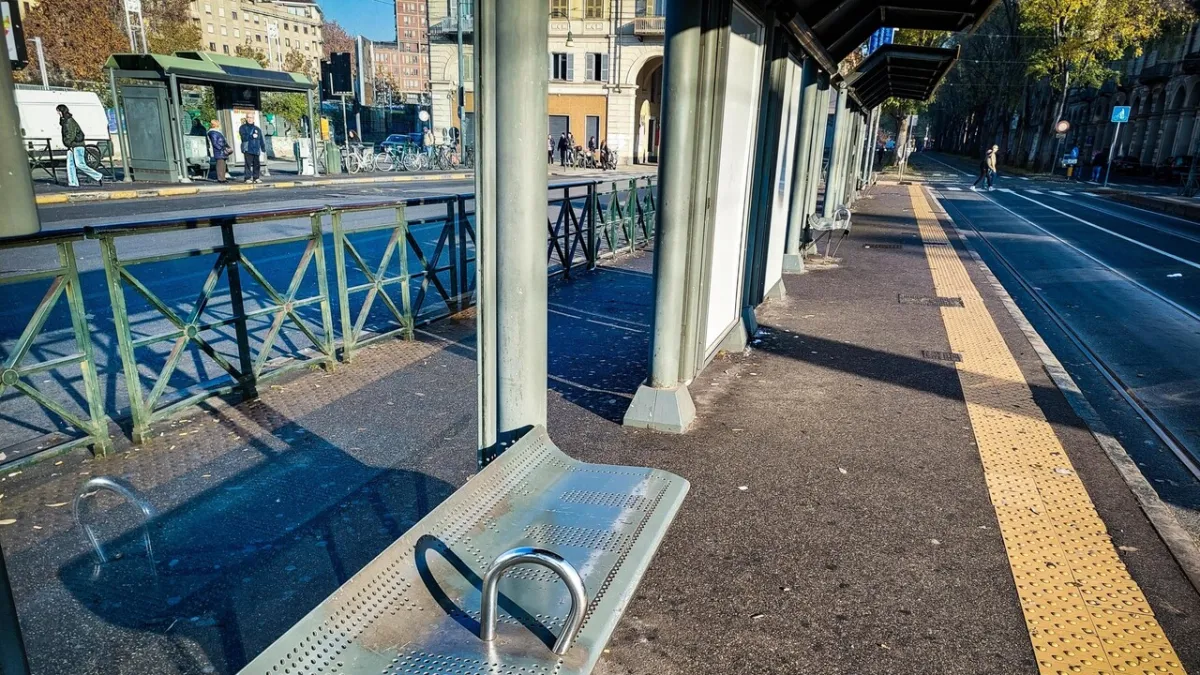
ROME – Hundreds of thousands of Italians today, Wednesday, April 22, 2026, witnessed widespread paralysis across vital sectors after trade unions and student groups launched a massive national strike. This action crippled public transport services such as buses and trains, and disrupted school operations in over 100 cities, with mass demonstrations flooding major streets.
Prominent labor unions like CGIL and Cobas, alongside student federations, led this wave of protests. They demand improved working conditions, fair wage increases, and greater investment in education and essential public services.
Major urban centers such as Rome, Milan, Turin, and Naples became the epicenters of demonstrations voicing dissatisfaction with government policies. Escalating economic and social tensions in recent years have triggered this wave of collective action, aiming to pressure authorities to act swiftly.
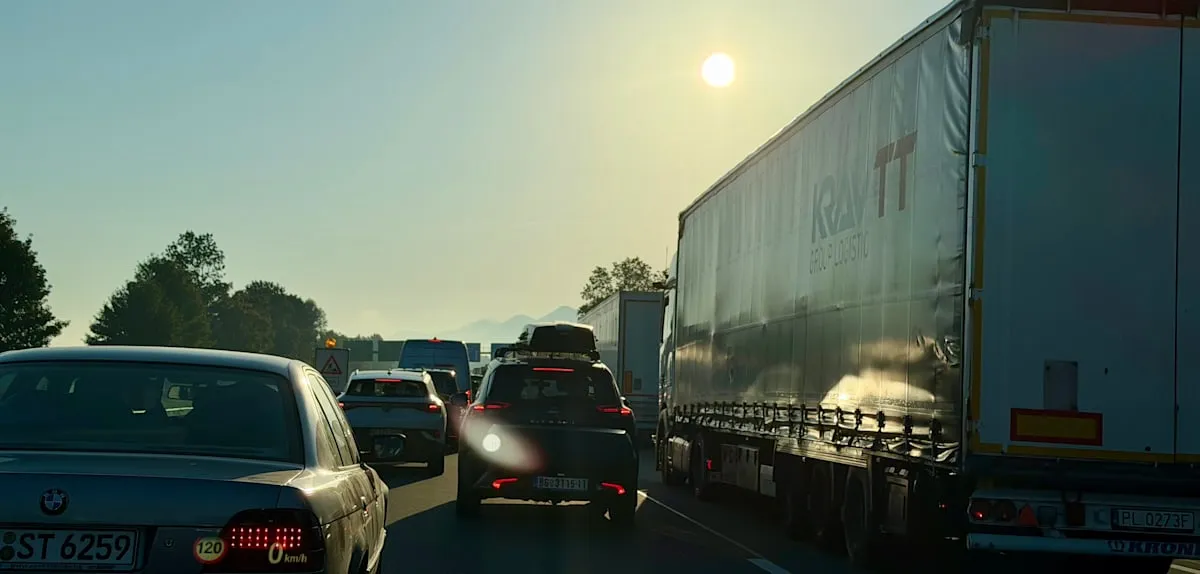
The most significant impact was felt in the transport sector. Thousands of bus services were canceled, causing millions of commuters difficulty reaching work and school. National train services also experienced severe disruptions, with most scheduled journeys canceled or delayed indefinitely. However, authorities ensured that air travel remained unaffected by the strike, offering some relief for air passengers.
The education sector was not immune. Many primary and secondary schools were forced to close or operate with limited staff due to teachers and employees participating in the strike. Thousands of students also joined the marches, expressing solidarity with the workers' demands and voicing their concerns about the future of education.
Reports from various regions indicate the broad scale of the demonstrations. In Milan, main squares were filled with crowds carrying banners and chanting slogans. A similar situation was observed in Bologna and Florence, where thousands marched peacefully but firmly, highlighting the urgency of their demands to the government.
A CGIL spokesperson stated, We had no other choice but to take this action. The government needs to listen to the voice of the people who are fed up with the current economic and social conditions. This statement underscores the unions' determination to continue fighting for fundamental rights they believe have been neglected.
As of this report, no substantial official statement has been issued by the government regarding the strike. However, police have taken anticipatory measures by deploying additional personnel at various strategic points to maintain order and prevent potential unwanted escalation.
Public reaction has been mixed. While many directly affected citizens expressed frustration over the disruptions, a significant number also voiced support for the unions' demands, acknowledging that the root issues need urgent attention. A quick survey showed that about 60 percent of the population understood the reasons behind the strike, although 40 percent felt economically disadvantaged.
General strikes are not a new phenomenon in Italy, a country with a long history of strong labor movements. However, the scale and coordination of this action indicate a rising level of dissatisfaction amid the turbulent global economic conditions of 2026. This could set a precedent for similar waves of protests in the future, demanding deeper structural changes.
Editorial Insight: The national strike in Italy is not merely a sporadic incident but a reflection of accumulated, long-simmering social and economic tensions. The government faces immense pressure to promptly formulate concrete solutions that address the demands of workers and students, rather than merely quelling immediate unrest. Failure to respond effectively could trigger broader instability, potentially impacting Italy's economic recovery prospects on the global stage and the credibility of its leadership in the public eye.