 Edward DP Situmorang
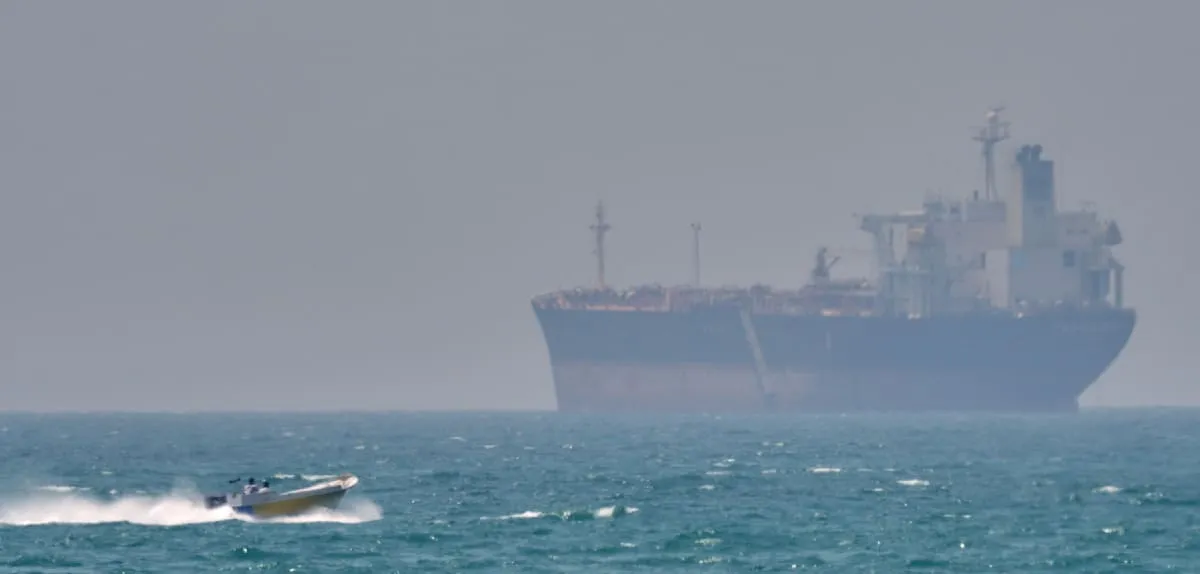
TEHRAN – Tensions in the Gulf region escalated again in 2026, after Iran announced a series of mysterious explosions affecting several oil tankers in the Strait of Hormuz. This critical incident was followed by reports of an attack on a United States military base in Bahrain and the interception of ballistic missiles targeting the Saudi Arabian capital, Riyadh, raising fears of a broader regional conflict escalation.
The Iranian government, through its official news agency, claimed that several oil tankers experienced explosion incidents in the strategic waterway of the Strait of Hormuz. Details regarding the cause of the explosions, the exact number of affected vessels, or the identity of their ownership have not yet been clearly specified.
Meanwhile, separately, security sources reported an attack targeting a United States military base in Bahrain. Although there is no official information yet regarding the extent of the damage or casualties, this attack adds to the long list of security incidents threatening regional stability.
Shortly thereafter, Saudi Arabia's air defense system successfully intercepted several ballistic missiles launched towards Riyadh. Saudi authorities did not immediately blame any specific party, but such incidents are often associated with Iran-affiliated groups in the region.
The Strait of Hormuz, located between Iran and Oman, is one of the world's most vital oil shipping lanes. More than one-fifth of global oil supplies pass through this narrow strait daily, making it a vulnerable point for international energy security.
These incidents occur amidst heightened geopolitical turmoil. The United States, under the administration of President Donald Trump, has consistently affirmed its commitment to protecting its interests and allies in the Middle East. The US military presence in Bahrain is one of the main pillars of this strategy.
Nevertheless, Washington's response to the attack on the military base in Bahrain is still awaited. Political analysts suspect that this incident could trigger a strong response from the United States, potentially exacerbating an already precarious situation.
The heightened tensions in the Gulf recall various similar incidents in the past, including attacks on tankers and oil facilities in the region. Each incident has the potential to trigger a global crisis, given the vital role of this region in world energy supply.
The international community urges all parties to exercise restraint and avoid provocative actions that could deepen the conflict. Diplomatic efforts are hoped to de-escalate the situation before triggering a larger armed confrontation.
One previous incident that also shook global energy markets was the sinking of an Iranian supertanker carrying 2 million barrels of oil in the Gulf, as reported in our related article. Such events demonstrate the fragility of maritime security in the Gulf.
Foreign policy observers from various countries are closely monitoring the developments of this situation. Threats to international shipping lanes and military installations can have serious implications for the global economy and regional stability.
Editorial Insight: The series of incidents in the Gulf, involving oil tankers, a US base, and missile attacks on Saudi Arabia, marks a new phase in the escalation of regional tensions in 2026. With no clear claims of responsibility from any party, speculation regarding the actors behind these attacks will continue to intensify. This situation demands diplomatic prudence and military resilience to prevent a worse spiral of violence, which could fundamentally shake global markets and geopolitical stability.