 Chris Robert
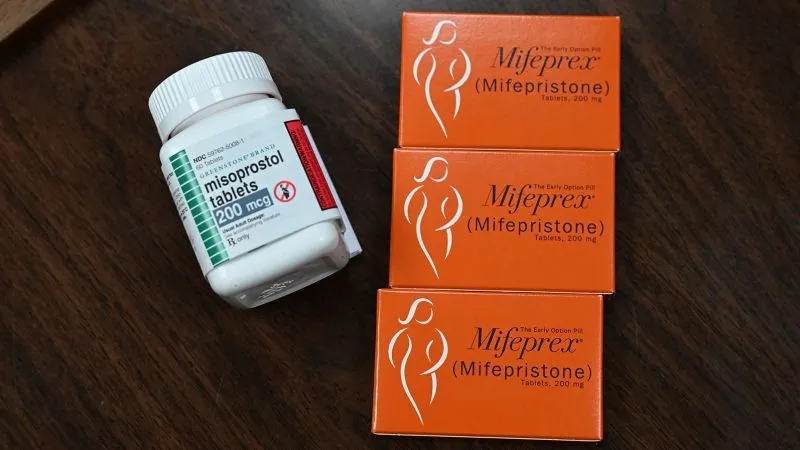
HOUSTON – A shocking ruling by a Texas federal judge earlier this month, in 2026, suspending the US Food and Drug Administration's (FDA) approval of Mifepristone, has triggered a wave of concern and outrage nationwide. This drug, widely used in medication abortion procedures, is now threatened with inaccessibility, posing serious consequences for the reproductive health of millions of American women.
For many individuals, the decision feels deeply personal, threatening access to essential healthcare that has sustained their lives. The impact of this suspension extends beyond patients, reaching healthcare providers and reproductive rights activists who see it as a direct assault on bodily autonomy.
Mifepristone is one of two key drugs used in medication abortions, a method that now accounts for more than half of all abortion procedures in the United States. Since its approval by the FDA in 2000, the drug has undergone rigorous scrutiny and proven safe and effective in numerous clinical studies.
The federal judge's decision, by Matthew Kacsmaryk, to suspend the FDA's approval, argued that the agency had acted 'arbitrarily and capriciously' in its initial process. This ruling effectively overturns a policy that has been in place for over two decades, setting a dangerous precedent and creating legal uncertainty.
Reproductive rights advocacy groups vehemently condemned the ruling, labeling it a political act not based on science. They highlight that the decision disregards a broad medical consensus regarding Mifepristone's safety and effectiveness. Organizations like Planned Parenthood have expressed deep concern over the direct impact on patients.
Amidst this situation, the administration of President Donald Trump, who returned to office in 2025, has not issued a firm official statement regarding the ruling. However, his history and political stance often indicate a tendency to support abortion restrictions, although his public rhetoric can sometimes vary.
The impact of this ruling is expected to extend beyond Texas state borders, potentially affecting Mifepristone's availability across the entire United States. This would force millions of women in states that still permit abortion to seek alternatives that may be more invasive or less accessible.
Legal experts predict that this case will quickly escalate to the US Supreme Court, creating a new chapter in the country's long-standing debate over abortion rights. The Supreme Court's final decision will have significant long-term implications for access to reproductive healthcare nationally.
Protests and demonstrations have already begun to emerge in various cities, demanding the judge's ruling be overturned. Thousands of citizens, supported by women's rights activists and health organizations, voiced their disappointment over judicial interference in personal health matters.
This Mifepristone crisis is not just about one drug; it is about the principle of access to essential healthcare and bodily autonomy. It serves as a stark reminder of the fragility of reproductive rights which, even in 2026, remain an intense political and legal battleground.
Editorial Insight: The Texas federal judge's ruling on Mifepristone is more than just a legal dispute; it is a clear indicator of the extreme polarization surrounding reproductive health issues in the United States. Should this decision stand, it would open the door to broader judicial interference in FDA drug approvals, a precedent that could severely damage public trust in regulatory bodies and medical innovation. The social and health impacts would be immense, potentially rolling back decades of progress in women's rights. This situation underscores the importance of civic vigilance and political pressure to protect fundamental access to healthcare.