 Chandra Wijayanto
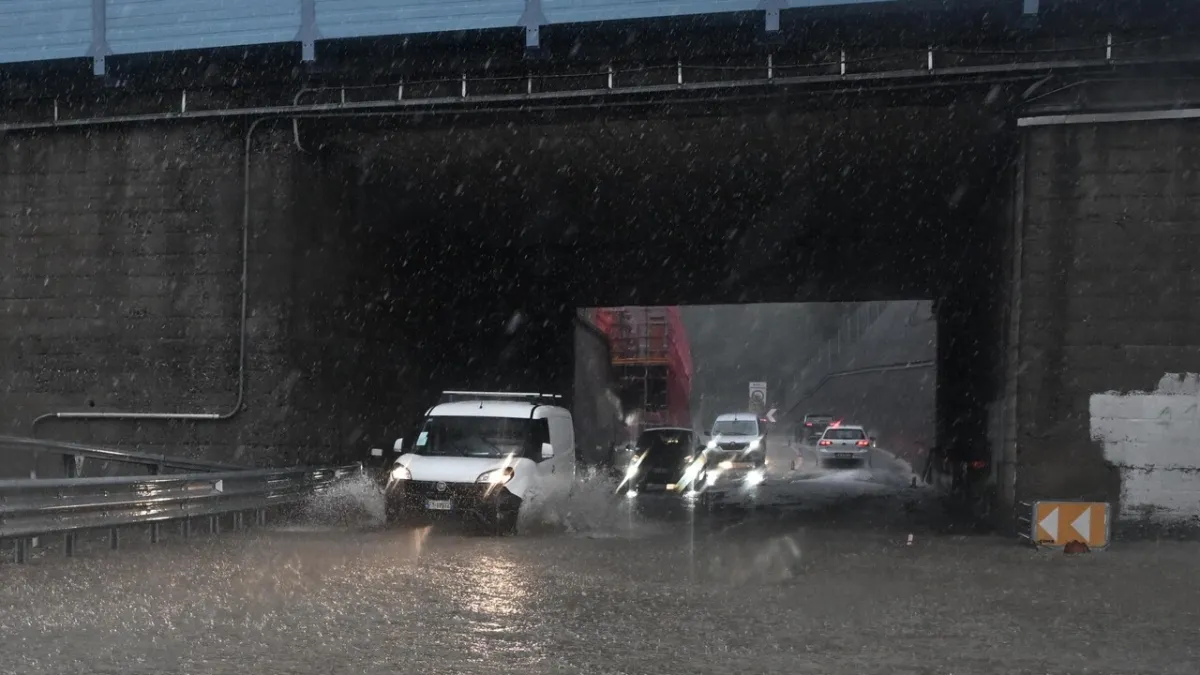
FLORENCE – Regional authorities in Tuscany issued a red alert for hydrogeological and hydraulic risk in the northwestern part of the province on Tuesday, May 14, 2026, following predictions of extreme rainfall. This decision came after a thorough analysis by the regional early warning system, which indicated a serious threat of flash floods and landslides, potentially disrupting the lives of thousands of residents and vital infrastructure. Meanwhile, a yellow code for strong thunderstorms and general hydrogeological risk is in effect across the entire Tuscany region, demanding full vigilance from the public.
The highest level of alert is focused on the areas of Lucca, Massa-Carrara, and Pistoia, identified as having the highest vulnerability to hydrological phenomena. Intense rainfall is expected to trigger a drastic increase in river water levels, with potential overflow into densely populated areas and agricultural lands.
The Regional Civil Protection Agency stated that this proactive measure is part of reinforced disaster risk mitigation efforts following similar incidents several years ago. They urge all residents in affected zones to follow safety guidelines and prepare for potential evacuations.
This red alert is not merely a formality. It reflects a level of danger that can threaten lives and property, forcing the closure of schools, major roads, and even business operations in some locations. Local governments have activated emergency command centers to monitor the situation 24 hours a day.
Based on the latest meteorological data, the wave of severe weather is expected to last for the next 48 hours, starting early Tuesday morning. The intensity of rain is predicted to peak in the evening, accompanied by strong winds and concerning potential for lightning.
Climatology experts from the University of Florence highlight that the frequency and intensity of extreme weather events are increasing in the Mediterranean region, a phenomenon they link to global climate change. What we are witnessing in Tuscany is a tangible manifestation of weather patterns that are no longer as predictable as they once were, said Professor Sofia Rossi, a senior meteorologist.
The public is asked to avoid unnecessary travel, stay away from river areas and landslide-prone hillsides, and ensure drainage systems around homes are clear of obstructions. Local city administrations have also prepared temporary shelters for residents who may be affected by evacuations.
The economic impact of hydrogeological disasters often harms the agricultural and tourism sectors, which are the backbone of Tuscanys economy. Damage to agricultural lands and transportation disruptions can lead to losses of millions of euros, hindering the ongoing post-pandemic economic recovery.
The Italian government, through the Ministry of Environment, has allocated special funds for improving flood prevention infrastructure in vulnerable areas. However, the challenges of climate change demand faster and more comprehensive adaptation.
This case is reminiscent of mitigation efforts undertaken by other countries. For example, in Singapore, autonomous pump vehicles are being rigorously tested to combat urban floods, demonstrating an innovative approach to hydrogeological disaster management. Singapore Leads: Autonomous Pump Vehicles Tested to Combat Urban Floods. Similar approaches may need consideration in disaster-prone areas like Tuscany.
Florence Mayor Dario Conti affirmed that citizen safety is the top priority. We have mobilized all available resources, from rescue teams to volunteers, to ensure all residents are protected and receive the necessary assistance, he stated in a press conference.
The public is expected to remain calm but vigilant, and always monitor official information from the Civil Protection Agency. Effective communication and inter-agency coordination are key in facing this critical situation.
Editorial Insight:
The red alert in Tuscany is not just local news; it is a reflection of the increasingly tangible global challenges posed by climate change. Italy, with its topography and history, is highly susceptible to hydrogeological disasters. The proactive steps taken by authorities demonstrate a growing awareness of the urgency of mitigation. However, the effectiveness of disaster response will largely depend on rapid community response and long-term infrastructure preparedness. This incident also serves as an important reminder for other nations to continue investing in early warning systems and disaster-resilient infrastructure.