 Gabriella
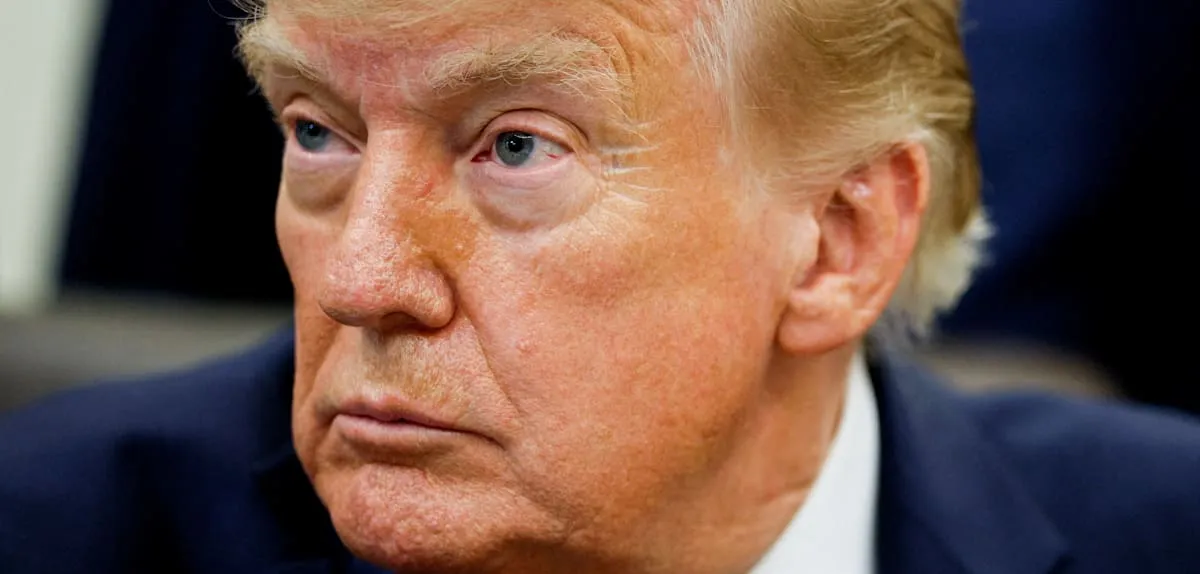
WASHINGTON – Diplomatic tensions between the United States and Denmark have escalated following the conclusion of an agreement concerning the status of Greenland. Although the pact was intended to end annexation threats previously voiced by US President Donald Trump, both nations are now asserting victory, fueling speculation about the future direction of bilateral relations amidst the increasingly complex geopolitical landscape of the Arctic.
The Danish government, through its Ministry of Foreign Affairs, unequivocally affirmed that the agreement decisively upholds Denmark's sovereignty over the autonomous territory of Greenland. Our sovereignty is inviolable. This agreement serves as an explicit recognition by the United States of the territorial integrity of the Kingdom of Denmark, stated an unnamed spokesperson, reiterating Copenhagen's position. They view the negotiation outcome as a clear affirmation of Greenland's international legal status under Danish rule.
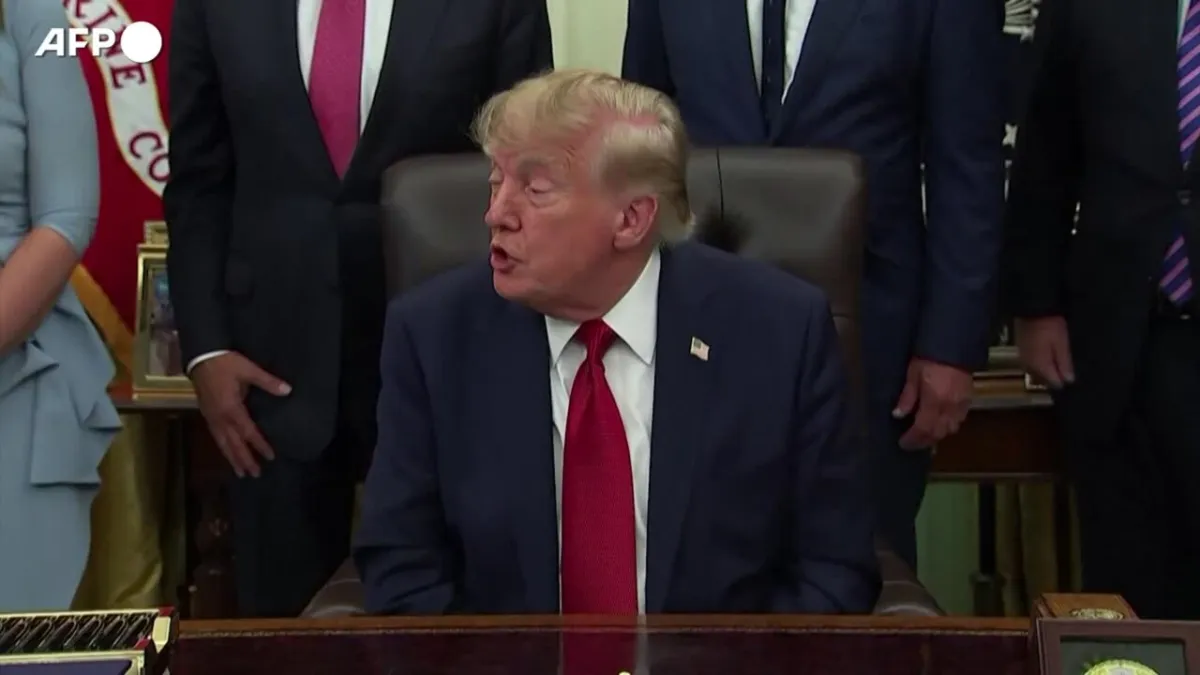
In stark contrast to Denmark's assertions, President Donald Trump, who returned to office in 2026, articulated a different perspective from the White House. He emphasized the aspect of 'permanent US control' over strategic interests in Greenland. We have ensured that America's national security interests in the Arctic will be permanently maintained. This is a huge win for US security, Trump declared in a brief statement to the press, without elaborating on the precise nature of the control. This echoes similar rhetoric from his previous term when he blocked access for certain media outlets he deemed purveyors of 'fake news'.
The threat of US annexation of Greenland is not a novel concept. The idea of purchasing the strategically vital Arctic territory was first floated by President Trump during his previous term, sparking global uproar and strong rejection from Denmark. That incident had, at the time, led to a serious diplomatic crisis between the two NATO allies.
Geopolitical analysts interpret this agreement as an attempt by Washington to solidify its foothold in the resource-rich and increasingly militarily strategic Arctic region. Control over emerging shipping lanes and potential mineral reserves in Greenland remains a primary focus.
This dual victory narrative indicates an effort by both parties to 'save face', commented Dr. Ingrid Sorensen, an international expert from the University of Copenhagen. For Denmark, it is an affirmation of sovereignty after provocation. For the US, it is an attempt to show that their initiatives bear fruit, regardless of the controversial 'purchase' label.
Greenland, the world's largest island, plays a crucial role in the global security map. Its strategic location serves as an important observation point in the North Atlantic, and its melting ice is opening new shipping routes that could shorten trade paths between Asia, Europe, and America.
The ambiguous statements from both national leaders raise serious questions about the interpretation of the agreement and potential future conflicts. Will the permanent control claimed by Trump clash with the inviolable sovereignty championed by Denmark? The answer likely lies in the implementation and details of the accord, which have not yet been fully disclosed to the public.
This situation also highlights the complexities of modern diplomacy, where public perception and political narratives often hold as much weight as the substance of the agreement itself. Both nations appear to be prioritizing domestic perceptions of victory, even if it means creating ambiguity on the international stage.
Editorial Insight: The post-agreement tensions over Greenland indicate that Arctic geopolitical issues are far from resolved. The conflicting claims of victory from the United States and Denmark set a dangerous precedent, potentially eroding bilateral trust and opening avenues for interpretations that could exacerbate regional stability. This demands further clarification from stakeholders to prevent rhetorical escalation into a more serious crisis.