 Angela Stefani
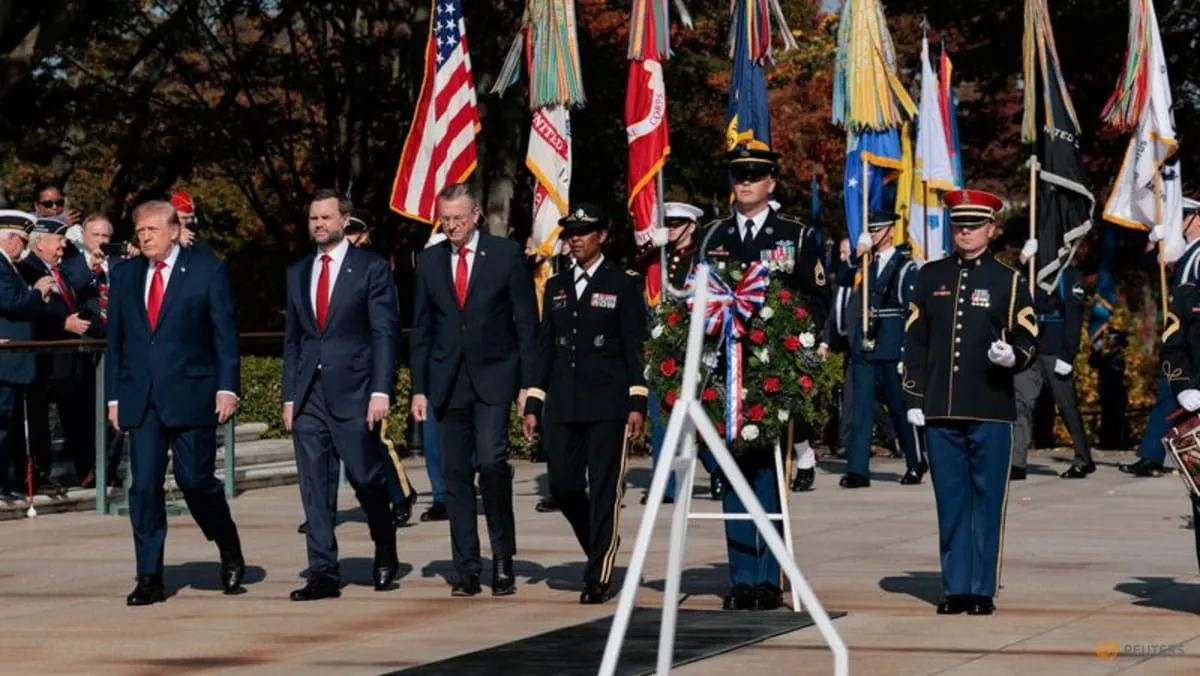
WASHINGTON – United States President, Donald Trump, has unequivocally stated that the US does not need a deal with Iran, indicating a significant foreign policy shift and potentially escalating geopolitical tensions. This surprising announcement follows an exclusive report by The Wall Street Journal revealing a face-to-face meeting between US Vice President, JD Vance, and a high-ranking Iranian security official. The incident, occurring this week, has fueled widespread speculation regarding Washington's diplomatic trajectory towards Tehran.
President Trump's statement solidifies his administration's hardline stance against the Islamic Republic of Iran. Far from pursuing dialogue that leads to consensus or new agreements, the White House appears to be opting for a confrontational path that emphasizes US independence in handling the Iran issue. This clearly negates the need for diplomatic compromise that has historically been the focus of several superpowers.
The Wall Street Journal report, widely cited, detailed the discreet meeting between Vice President Vance and the Iranian official. Although the precise agenda and location of the meeting have not been fully disclosed to the public, the news suggests that behind-the-scenes communication is occurring in parallel with aggressive public rhetoric. Such meetings typically aim to explore possibilities or convey important messages without involving formal diplomatic channels.
This development brings back memories of previous US foreign policy towards Iran. The previous Trump administration withdrew from the Iran Nuclear Deal, or Joint Comprehensive Plan of Action (JCPOA), in 2018, claiming the agreement was not strong enough to curb Tehran's nuclear ambitions and its destabilizing regional behavior. This decision was followed by the re-imposition of severe economic sanctions against Iran.
Now, with the assertion that the US does not need a deal, speculation mounts about Washington's long-term strategy. Is this a negotiation tactic to pressure Tehran into making greater concessions, or is it truly a signal that the Trump administration is willing to accept the status quo without a formal agreement? Analysts of foreign policy are divided in interpreting this move.
This step has the potential for significant impact on regional stability in the Middle East. US allies in the region, such as Saudi Arabia and Israel, may view this as an affirmation of Washington's support for their hardline positions against Iran. Conversely, it could exacerbate existing tensions and prompt Iran to take more aggressive retaliatory measures.
International diplomats and organizations like the United Nations (UN) will likely monitor this situation closely. The push for diplomacy and peaceful resolution has been a priority for many parties, and Trump's statement could be seen as a serious impediment to such efforts.
Several political analysts believe that President Trump's statement may also be driven by domestic considerations. With midterm elections or other significant political periods approaching, a firm stance against foreign adversaries is often seen as a strategy to rally support from the conservative voter base.
Iran itself has not yet provided a comprehensive official response to Trump's statement or the report of the Vance meeting. However, history shows that Tehran tends to respond with equally firm declarations, emphasizing its sovereignty and rejecting external pressure.
Nevertheless, one thing becomes clear: US-Iran relations remain one of the most volatile geopolitical flashpoints in the world. Every move, whether open or covert, has the potential to shift the balance of power and trigger unpredictable chain reactions.
Editorial Insight: President Trump's statement marks a new chapter in US-Iran dynamics, prioritizing national interests over complex multilateral diplomatic engagement. Vice President Vance's discreet meeting indicates a hidden communication channel, yet the harsh public rhetoric could hinder substantive progress. This might be a high-risk 'double diplomacy' strategy, demanding extra prudence from all parties to prevent uncontrolled escalation in an already volatile region.