 Chris Robert
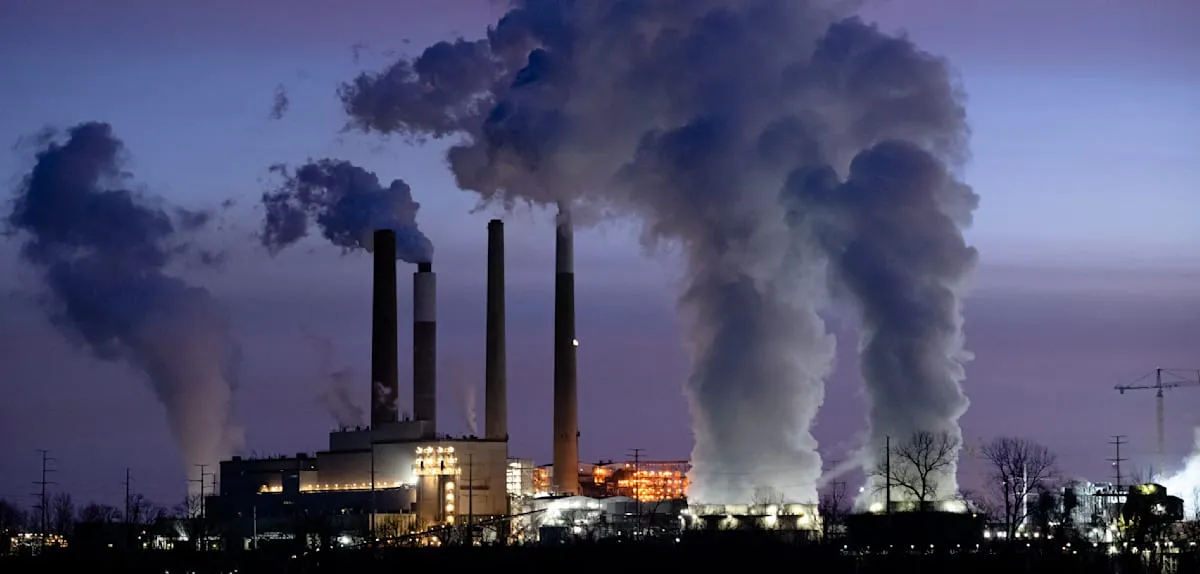
WASHINGTON D.C. – The United States Environmental Protection Agency (EPA) has controversially revoked several crucial regulations previously limiting greenhouse gas emissions from fossil fuel power plants. This decision, announced recently in Washington D.C., could have significant implications for global climate change mitigation efforts and public health, as greenhouse gases are widely recognized as a serious threat to public welfare.
This drastic measure signifies a shift in environmental policy under President Donald Trump's administration, who resumed office in 2026. The EPA, in its official statement, argued that previous rules were overly burdensome for industries and inconsistent with the agency's economic mandate. The revocation effectively disregards the scientific consensus that power plant emissions are major contributors to global warming.
Previously, greenhouse gases, including carbon dioxide, methane, and nitrous oxide, had been officially categorized as a 'threat to public health and welfare' by the EPA. This classification served as the legal basis for numerous emission regulations aimed at protecting the environment and the health of American citizens. With this revocation, that legal basis is now challenged, potentially leading to increased emissions without stringent limits.
The revocation of these regulations has triggered a wave of criticism from various environmental organizations and health advocates. They argue that this decision represents a significant setback in the global fight against climate change. The exacerbated impact of air pollution from such policies is also feared to worsen educational disparities, particularly for children from low-income families who are most vulnerable to respiratory issues.
Climate scientists have repeatedly warned that to avert the worst consequences of global warming, major industrialized nations must drastically reduce emissions. This new EPA policy, according to many experts, contradicts that goal, placing the United States on a different path from international climate mitigation commitments.
President Trump's administration is indeed known for its skeptical approach to the urgency of the climate crisis. Since his previous term, his primary focus has always been on deregulation to stimulate economic growth and support domestic energy industries, particularly coal and oil. President Trump's recently soaring popularity has been a driving factor behind populist policies favoring industry.
Energy industry players, especially coal-fired power plant companies, welcomed the EPA's decision. They argued that previous emission regulations had burdened them with high operating costs and hampered innovation. This revocation is expected to reduce financial pressure and allow them to invest more in increasing production capacity.
However, on the international stage, this move by the United States is expected to provoke a negative response. Many countries committed to the Paris climate agreement may view this as a bad precedent and potentially undermine global collaborative efforts to achieve emission reduction targets. This could also add to global energy tensions, as other nations strive to balance energy needs with environmental commitments.
The future of environmental regulation in the United States now appears uncertain. This EPA decision may face legal challenges from various parties concerned about its long-term consequences. The debate between economic growth and environmental protection once again becomes a central issue that will continue to dominate public discourse.
Editorial Insight: The EPA's revocation of emission regulations under President Trump's administration is a strategic move that underscores economic priorities over environmental protection. While potentially stimulating growth in conventional energy sectors, this decision carries serious risks to public health and accelerates the pace of climate change. The response from the international community and domestic litigation will be crucial in determining the sustainability of this policy, with the possibility of fragmenting global efforts to address the climate crisis.