 Robert Andrison
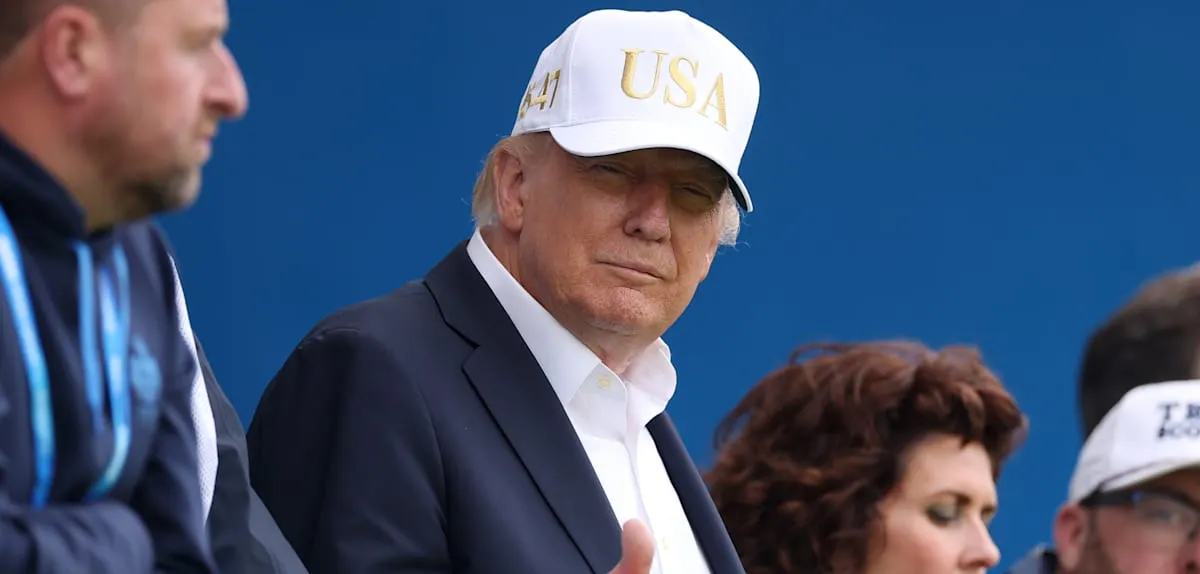
DUBLIN – US President Donald Trump unexpectedly announced the repeal of import tariffs on Irish whiskey. The decision, made directly at a golf tournament in Ireland, surprised many after President Trump admitted he had been 'annoyed' by persistent protests from various parties regarding the policy. The announcement was met with cheers from the golf fans present.
This drastic step marks a significant shift in the Trump administration's economic policy, particularly concerning international trade and responsiveness to public pressure. Irish whiskey tariffs had previously been a sensitive trade issue, causing dissatisfaction in the beverage industry and among consumers.
President Trump, on a visit to Ireland, used the casual event as an opportunity to deliver this important news. His statement, highlighting how often he had been approached and asked to review the tariffs, indicates the impact of lobbying and public sentiment on high-level decision-making processes.
The tariff policy, implemented some time ago, had created trade tensions between the United States and European Union countries, including Ireland as a major whiskey producer. The Irish whiskey industry itself had felt the negative effects of increased import costs and a potential decline in market share in the United States.
The spontaneous reaction from the golfing crowd demonstrates the importance of this issue to both local and international audiences. This decision has the potential to ease economic tensions, paving the way for improved bilateral trade relations between the United States and Ireland, and the broader European Union.
Economic analysts immediately highlighted the implications of this announcement. They argue that President Trump's approach to addressing public grievances, though seemingly unconventional, shows pragmatism in dealing with widespread economic issues. It also reflects the unique dynamics of the president's leadership style.
The Irish whiskey industry now looks to the future with renewed optimism. The tariff repeal means their products can once again compete more fairly in the American market, their largest export market. Hopes for a surge in sales volume and job growth now loom.
This decision also offers a lesson on the power of advocacy and lobbying. Although delivered lightheartedly by President Trump, pressure from various interest groups, including industry players and government representatives, clearly played a crucial role in reversing a previously firm tariff policy.
This move contrasts with some of Trump's earlier policies, which tended to be more protectionist, including his views on artificial intelligence restrictions. As reported in the article 'Trump Slams AI Restrictions, Negative Forces Lurk to Control the Internet', President Trump often voiced concerns about the potential negative impacts of technology on freedom, showing a cautious stance on government intervention in certain sectors. However, for whiskey tariffs, pragmatic considerations seem to have been more dominant.
The announcement at the golf tournament in Ireland in 2026 will be recorded as one of the unique moments in US trade policy history, where the president's 'annoyance' from public complaints triggered a substantial policy change.
Editorial Insight: President Trump's sudden decision to lift Irish whiskey tariffs, citing personal 'annoyance' from protests, reveals a leadership style that is often unpredictable yet effective in responding to specific pressures. This is not just an economic policy, but also a clever political maneuver to ease tensions and possibly gain sympathy amidst global turmoil. The economic impact is certainly positive for Ireland, but the method of its making opens a discussion about the consistency and predictability of US foreign policy.