 Angela Stefani
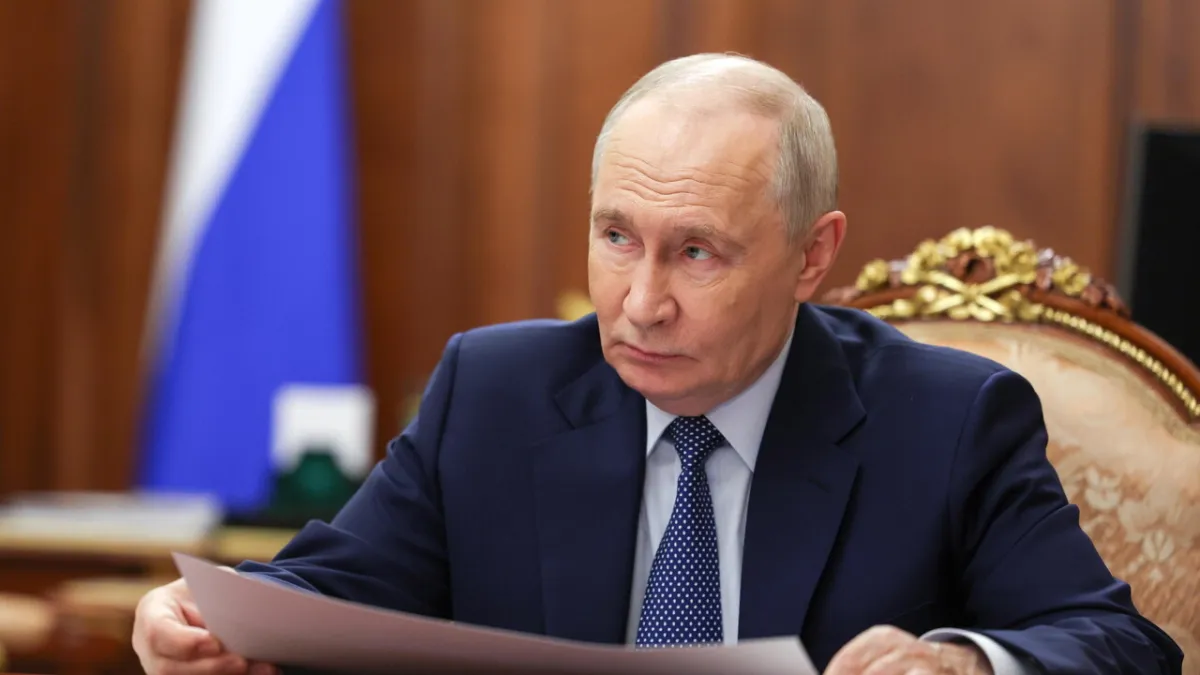
BRUSSELS – The European Union recently implemented its largest package of economic sanctions against Russia's military-industrial complex, targeting nearly 1,600 new entries in response to ongoing aggression in Ukraine. This significant decision comes as Ukraine reported a series of Russian missile attacks targeting vital power generation facilities across various regions overnight, fueling new concerns about an energy crisis and reaffirming the escalating geopolitical tensions between the two sides.
This latest sanctions package is designed to further cripple Moscow's ability to finance and sustain its military operations, focusing on entities and individuals involved in arms production and the supply of high-tech components. The move follows calls from EU member states urging more decisive action to pressure the Kremlin.
The applied sanctions include asset freezes and travel bans for specific individuals and entities. Key targets encompass defense companies, banks, government officials, and oligarchs deemed to be supporting the war. The number of added items marks a substantial escalation in the bloc's efforts to restrict Russia's access to crucial technologies and resources.
Meanwhile, the Ukrainian capital, Kyiv, confirmed a wave of overnight air strikes, with Russian missiles reportedly hitting several power generation facilities. Ukrainian authorities immediately began repair efforts and urged citizens to conserve energy. These attacks underscore Russia's apparent strategy of deliberately targeting Ukraine's energy infrastructure, particularly as winter approaches.
Responding to this escalation, Ukrainian President Volodymyr Zelenskyy issued a stern warning. If Russia does not respect the energy truce, we will react, Zelenskyy stated in a declaration. This statement implies Ukraine's readiness to take significant retaliatory measures if attacks on vital infrastructure continue.
The threat of attacks on energy infrastructure is not new in this conflict. In 2026, the situation regarding a potential energy truce was a subject of heated debate, especially after US President Donald Trump claimed an energy truce was in effect, a claim immediately rejected by Kyiv.
Senior EU officials stated that this sanctions package is part of a comprehensive effort to support Ukraine's sovereignty and maintain security stability in Europe. They emphasized that the global coalition would continue to pressure Russia through diplomatic and economic channels until the aggression ceases.
The impact of these sanctions is expected to exacerbate economic pressure on Russia, limiting its industrial capacity to produce and procure modern weaponry. Analysts anticipate that restricting access to Western technology will further hinder Russia's military modernization in the long term.
The international community, including the United Nations, continues to call for de-escalation of the conflict and a peaceful resolution that respects Ukraine's territorial integrity. However, both sides show little sign of backing down from their respective positions, prolonging regional uncertainty.
This latest escalation, through both economic sanctions and military attacks, raises concerns about the potential for conflict expansion. European intelligence had previously indicated that Moscow targeted defense leaders in 2026, adding to the complexity of security dynamics on the continent.
Editorial Insight: The European Union's massive sanctions package reflects the bloc's increasingly firm resolve not only to punish Russia but also to structurally weaken its military capabilities. However, Russia's response by targeting Ukraine's energy infrastructure demonstrates that the Kremlin remains undeterred, opting instead to pressure the civilian population. This situation indicates that prospects for de-escalation remain distant and could even trigger a more intense cycle of retaliation, with broader implications for global security and stability.