 Stefani Rindus
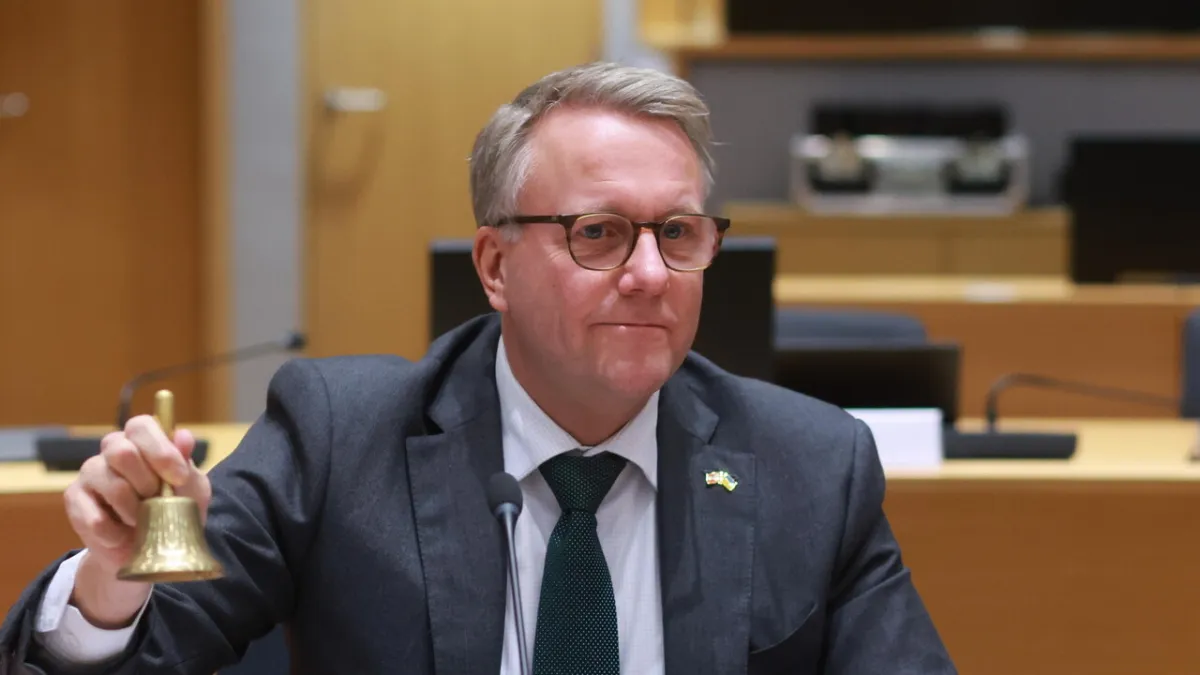
COPENHAGEN – Denmark's Minister for Immigration, Kaare Dybvad Bodskov, announced that five other European Union member states are in early negotiations to reach agreements with third countries for establishing offshore migrant processing centers outside the EU territory. This ambitious policy aims to send the first wave of foreign nationals to these centers by 2027 at the latest, signaling a significant shift in the bloc's approach to migration issues.
This announcement from Copenhagen underscores Denmark's determination to be a pioneer in stricter immigration policies, amidst increasing global pressure on Europe's asylum system. Bodskov stated that this initiative is a crucial response to the challenges posed by the continuous influx of migrants to the EU's borders.
The proposed model involves setting up facilities in non-EU countries where asylum applications will be processed. The goal is to prevent migrants from reaching European soil illegally and overwhelming member states' capacities. It is also hoped to reduce the incentives for human traffickers who often exploit vulnerable migrants.
Denmark's plan does not stand in isolation. Several European nations, including the United Kingdom which is now outside the EU, have explored or implemented similar policies, such as the partnership with Rwanda. However, such efforts frequently draw strong criticism from human rights groups and international organizations concerned about their ethical and legal implications.
The identities of the five EU member states involved in these discussions have not been specifically disclosed by Minister Bodskov. However, speculation points to several countries that have also been vocal in advocating for stricter immigration controls and comprehensive reform of the EU asylum system.
This policy is seen as a collective effort to redefine the European Union's responsibilities in handling refugees and asylum seekers. By moving the evaluation process outside its borders, proponents hope to create a fairer and more efficient system, while also sending a strong signal to those intending to enter Europe through irregular channels.
Placing migrant centers in third countries raises a series of complex questions. Legal aspects, the protection of human rights for asylum seekers outside the EU's jurisdiction, and the sustainability of operational funding are crucial points that require answers. Bilateral or multilateral agreements with host countries must also address concerns about individual safety and welfare.
Criticism of this plan has not gone unnoticed. Non-governmental organizations and migrant rights advocates argue that such policies risk commodifying individuals and undermining the principle of non-refoulement enshrined in international law. They fear that migrants will be trapped in a legal limbo, without adequate access to protection and fair processes.
The political dynamics within the European Union indicate that migration remains one of the most divisive topics. This policy reflects a strong push from several countries to find solutions outside the existing framework, especially after previous migration crises that led to severe pressure on reception systems in some bloc members. Public pressure following migration-related incidents also led to the resignation of migration officials, as discussed in the article Public Pressure Post-Stade Attack Forces Migration Official to Resign.
Denmark, with its track record of implementing firm immigration policies, appears determined to lead this effort to success. Minister Bodskov's statement in 2026 demonstrates a serious commitment to implementing the policy in the near future, with full operational targets set for 2027.
The implementation of this plan has the potential to alter the landscape of global migration policy. If successful, the Danish model could set a precedent for other countries worldwide facing similar challenges. However, if it fails, it could exacerbate humanitarian crises and trigger regional instability.
Meanwhile, internal debates among EU member states regarding the legitimacy and effectiveness of this step are expected to intensify. Some countries may welcome a more aggressive solution, while others may object to the moral and practical implications of outsourcing asylum responsibilities outside the bloc.
Agreements with third countries chosen as locations for migrant centers are also key to success. These countries, which may offer cooperation based on economic or political incentives, must be ensured to have the capacity and commitment to guarantee international human rights standards for asylum seekers.
Ultimately, the success of this initiative will be measured not only by the reduction in the number of migrants arriving in Europe but also by how the European Union balances border security with humanitarian obligations. Tragedies such as Atlantic Migrant Tragedy: 80 Lives Lost After 27 Days Adrift continue to remind us of the urgency to find humane and sustainable solutions.
This is a bold, potentially paradigm-shifting step, yet also fraught with risks and challenges. The world will be watching how the European Union, led by Denmark, navigates the complexities of diplomacy and ethics in realizing their ambitious vision before 2027.
Editorial Insight: Denmark and five other EU countries' initiative to establish offshore migrant hubs is a clear indication of growing frustration in Europe with the current asylum system. While aiming to alleviate pressure and prevent deaths at sea, this move risks displacing problems rather than solving them. Its success heavily depends on fair agreements with third countries and strict adherence to international human rights standards. Otherwise, it could merely create new humanitarian crises in other regions, simultaneously damaging the EU's reputation as a guardian of humanitarian values.