 Angela Stefani

MOSCOW – Massive drone and missile attacks by Ukraine have crippled Russia's energy infrastructure, triggering a widespread fuel crisis across various regions in early 2026. This situation has led to long queues at petrol stations and significant price surges, signaling Russia's failure to protect its vital ports and oil tankers from Kiev's aerial aggression.
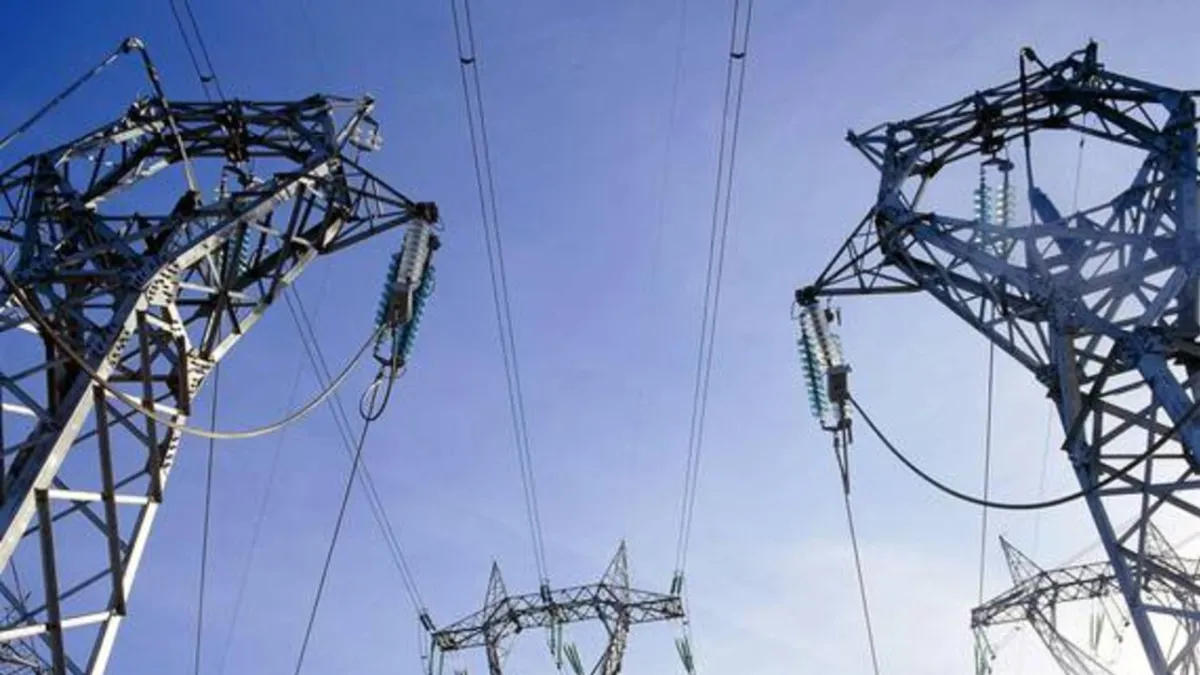
Veteran journalist Ibrahim Naber reported that Ukraine is increasingly proficient at launching precise attacks using drones and missiles. These weapons are capable of penetrating deep into Russian territory, targeting oil storage facilities and distribution lines crucial for both domestic energy supply and exports.
The immediate impact of these attacks is acutely felt by the Russian populace. The availability of petrol and diesel is becoming scarce, forcing citizens to queue for hours at gas stations. In some areas, supplies have been completely cut off, paralyzing the transport and logistics sectors.
Russia's economy is beginning to experience serious tremors. Rising fuel prices not only burden consumers but also increase operational costs for industries and businesses, potentially triggering further inflation. This situation threatens an already fragile economic stability due to international sanctions.
Naber's statement underscores a fundamental problem faced by the Kremlin: its inability to protect strategic assets. Port infrastructure and the oil tanker fleet, which form the backbone of Russia's energy export economy, are now vulnerable targets for Ukrainian attacks.
Russia's Black Sea and Baltic Sea ports play a vital role in global oil trade routes. Disruptions to operations there not only harm Russia but also have the potential to create international energy market volatility, similar to concerns over energy crises in Europe. The article Europe Faces Winter Energy Crisis, Is Cold More Dangerous Than Heat? highlights the fragility of global energy supply chains.
These attacks are part of Ukraine's strategy to pressure Russia on the domestic front. By disrupting energy supplies and creating public dissatisfaction, Kiev hopes to weaken internal support for the war and limit Russia's military logistical capabilities.
The increased capability of Ukraine's long-range attacks demonstrates a significant evolution in the conflict. From front-line battles, the war is now extending into the heart of Russian territory, adding a new dimension to the protracted confrontation.
The Russian government has so far not provided a comprehensive official statement regarding the scale of the fuel crisis. However, reports from the ground and social media indicate that the problem is far more severe than publicly acknowledged.
If the attacks continue without effective countermeasures, Russia will face serious challenges in maintaining energy and economic stability. This condition could trigger social and political unrest, significantly altering the dynamics of the conflict.
Last week, a number of international analysts warned that the escalation of attacks on energy infrastructure could trigger a chain reaction in global markets. Rising world oil prices would become a real threat to importing countries.
This fuel crisis situation in Russia in 2026 serves as a sharp reminder of the multidimensional impacts of modern conflict, where the front lines of warfare are no longer confined to conventional battlefields.
Editorial Insight: This development reveals a significant shift in Ukraine's war strategy, now focused on Russia's strategic vulnerabilities. Ukraine's ability to consistently attack vital infrastructure, such as ports and oil depots, not only inflicts direct economic damage but also erodes the image of an invincible Russian military. The Kremlin must urgently find effective solutions to protect its assets, lest this crisis further erode their internal stability and warfighting capabilities. This failure could also affect global perceptions of Russia's defense capabilities.