 Stefani Rindus
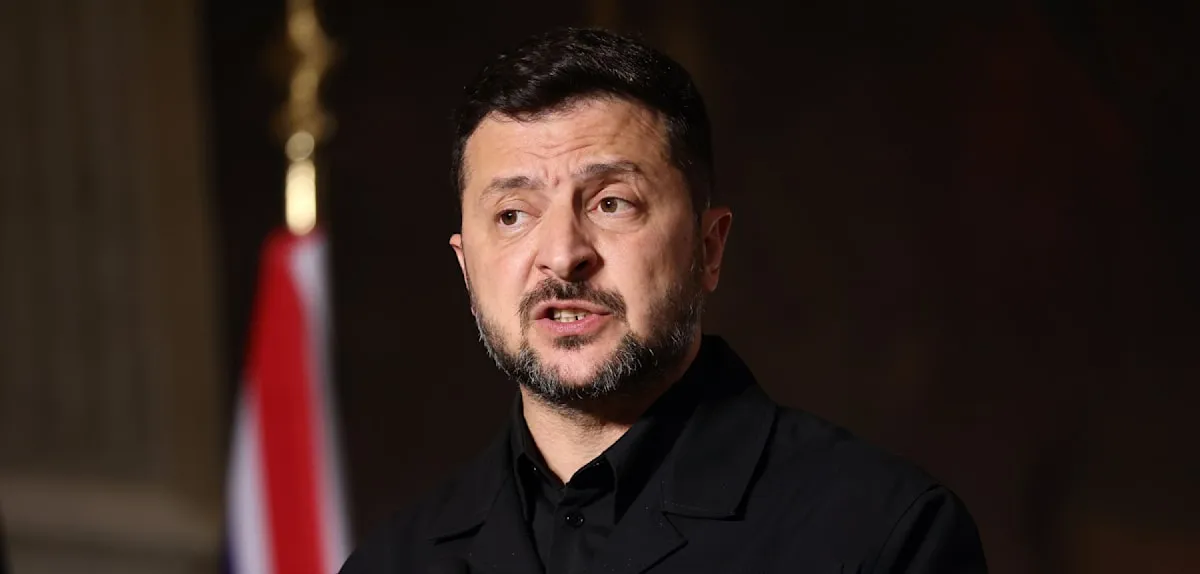
KYIV — Ukraine's cabinet underwent a significant reshuffle in early 2026, triggering political turmoil and intense scrutiny of President Volodymyr Zelenskyy's leadership. The appointment of the head of a state energy company as the new Prime Minister, coinciding with the announcement of the incumbent Defense Minister's resignation, marks a new chapter in the government's dynamics amid ongoing challenges.
This decision, announced after intense internal discussions, indicates an executive-level restructuring effort. The former Defense Minister explicitly stated he was no longer available to continue his post, adding to speculation about potential internal friction or accountability demands.
The new Prime Minister, who previously led one of Ukraine's vital energy conglomerates, brings management experience from this crucial sector. His appointment is seen as a strategic move to strengthen the country's energy resilience, a fundamental aspect given the current geopolitical situation.
The sudden change immediately drew varied reactions from both the domestic political spectrum and international observers. Many questioned the timing and motives behind the reshuffle, particularly its impact on President Zelenskyy's image and legitimacy in the eyes of the public and global partners.
"Cabinet changes, especially in defense and prime ministerial posts, are always indicators of political pressure. In Ukraine's current context, this points to complex internal dynamics that could affect government stability," stated Dr. Anya Petrova, a political analyst from the Lviv Center for Eurasian Studies, during an online interview this morning.
The departure of an experienced Defense Minister, who had been the face of Ukraine's defense during a crucial period, raises questions about the continuity of security policies. Although the specific reasons for his resignation have not been publicly detailed, it fuels a narrative that the situation "casts a bad light" on the performance of the top leadership.
The appointment of a Prime Minister from the energy sector underscores the government's priority on economic issues and vital infrastructure. Given the energy crisis affecting Europe and its impact on Ukraine, a leader with an energy background is expected to bring concrete solutions.
However, this leadership transition is not without criticism. Some observers argue that in the political year of 2026, this move could actually create a perception of instability at a time when Ukraine needs unity. This situation is akin to political dynamics observed in other countries, such as Merz's struggle with public emotion ahead of a political year, as previously reported.
President Zelenskyy faces the arduous task of convincing both the populace and international allies that this reshuffle is a progressive step towards efficiency, not a sign of internal vulnerability. Public trust and external support are crucial in confronting existing challenges.
The new Prime Minister is expected to quickly formulate a priority agenda that includes economic stabilization, energy sector reforms, and efforts to reintegrate conflict-affected territories. His capacity to embrace various political factions and ensure cabinet stability will be tested in the coming months.
The Defense Minister's stepping down paves the way for a new figure who must quickly adapt to the complexities of the portfolio, while maintaining troop morale and the effectiveness of defense strategies. This position demands decisive and visionary leadership.
The Ukrainian government asserts that these changes are part of an ongoing effort to enhance governance effectiveness and responsiveness to the country's urgent needs. The primary focus remains on strengthening national capacity amidst persistent global turmoil.