 Stefani Rindus
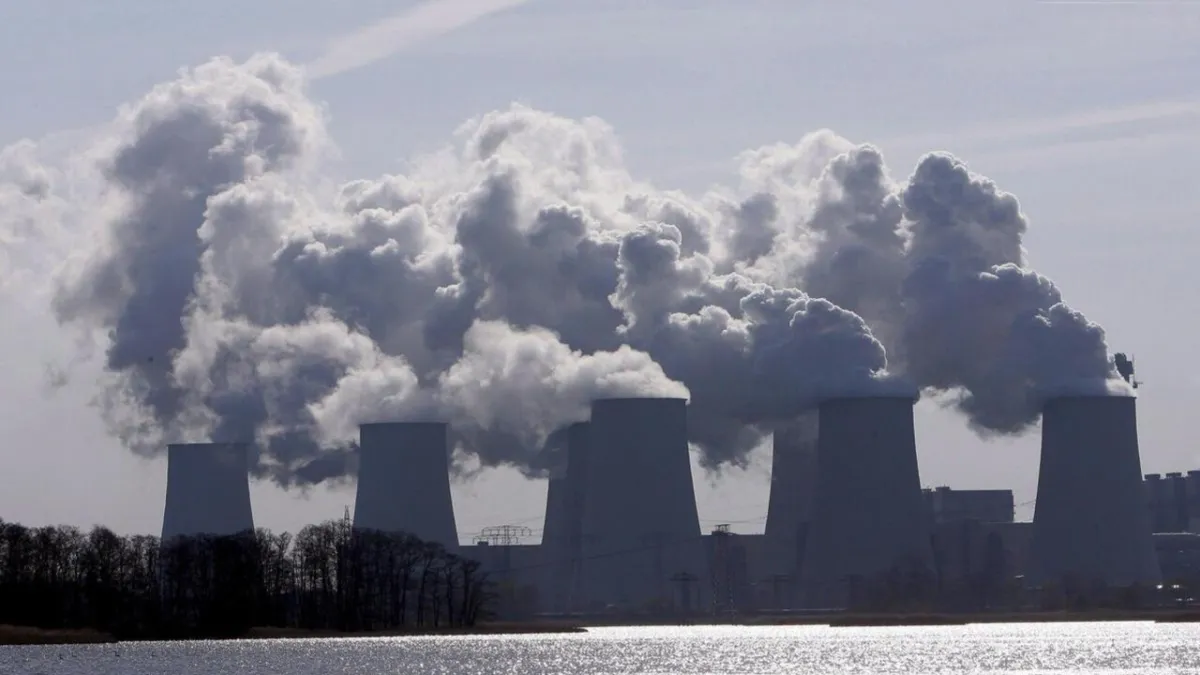
BRUSSELS – The European Union (EU) has officially announced the postponement of stringent methane emissions reduction rules until 2029, a crucial decision reached after marathon overnight negotiations. This policy, initially hailed as a cornerstone in climate change mitigation efforts, now faces a significant schedule revision, sparking diverse speculation and debate among environmental activists and industry players.
The delay, as revealed by internal sources in Brussels, is the result of difficult negotiations between member state representatives and the European Commission. For hours, delegates struggled to reach a consensus on technical details and ambitious targets involving the energy, agriculture, and waste management sectors—key contributors to methane emissions.
Methane is the second-largest greenhouse gas contributing to global warming after carbon dioxide, but it possesses a much stronger warming potential in the short term. Therefore, methane emission regulation is a vital element of the EU's climate strategy to achieve carbon neutrality by 2050.
Initially, the draft regulation called for aggressive measures, including stricter reporting obligations, leak detection, and infrastructure improvements. The expectation was that these steps could substantially reduce methane emissions in the coming decade.
The postponement until 2029 indicates significant challenges in reaching an agreement satisfactory to all parties. Some member states, especially those with large agricultural or oil and gas sectors, reportedly raised concerns about the economic and technical burden that would arise from a rapid implementation of these rules.
A senior EU diplomat, who wished to remain anonymous, stated that 'this compromise was necessary to maintain the bloc's unity and ensure that the regulation can be effectively implemented in due course, not just on paper.' This statement underscores the political and economic complexities behind every climate policy in Europe.
Nevertheless, environmental groups expressed deep disappointment with this decision. They argue that any delay will only exacerbate the climate crisis. 'Delaying action is delaying the future of our planet,' said a spokesperson from the European Environmental Bureau. 'The EU must be more assertive in its climate commitments.'
On the other hand, industry representatives welcomed the delay, seeing it as an opportunity to better prepare themselves. 'We need time to adapt, invest in new technologies, and ensure a just transition without harming competitiveness,' said a representative from the European Gas Industry Association.
This decision must also be viewed within the context of an uncertain global energy landscape. Geopolitical situations in several regions, such as the turmoil in the Middle East which could stifle oil supplies, force many countries to re-evaluate their energy priorities. This may have contributed to pressure to loosen some environmental regulations in the short term.
Simultaneously, several EU member states are also facing internal fiscal pressures. For instance, Germany faces a fiscal gap and is urging drastic budget reforms. Such economic conditions often make governments more inclined towards policies that do not burden industries.
The European Commission asserts that this delay does not signify a weakening of their climate ambitions, but rather provides a more realistic timeframe for implementation. 'We remain fully committed to our climate targets,' said a Commission spokesperson. 'This postponement is part of an adaptation process to make this policy effective and sustainable.'
International climate policy observers will closely monitor how the EU utilizes this additional time. Will the delay become an opportunity to strengthen the framework or, conversely, open loopholes for lobbies seeking to weaken environmental standards? The answer will only become clear closer to 2029.
Editorial Insight: The European Union's decision to postpone methane emission rules until 2029 reflects the inherent complexity of balancing environmental ambitions with economic and political realities. While offering relief to industries, this delay could raise doubts about the EU's climate commitment in the global arena. The real challenge lies in how the bloc will use this transition period to reconcile diverse interests without sacrificing a sustainable future.