 Edward DP Situmorang
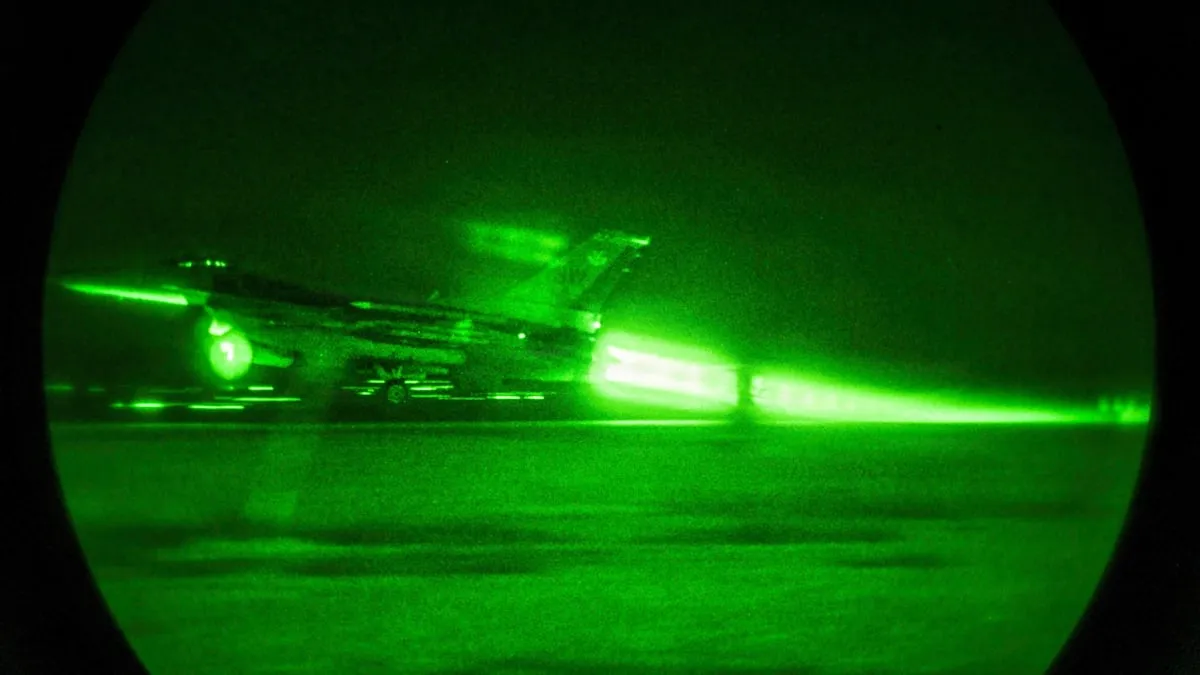
WASHINGTON — The United States, according to leading media reports, is massively deploying a significant number of additional fighter jets and refueling aircraft to the Middle East region. This strategic move indicates a response to intensifying regional security dynamics, as well as the potential for escalating tensions that demand global attention.
The deployment of these aerial military assets includes advanced fighter jets with air superiority and precision strike capabilities, followed by refueling aircraft crucial for extending operational range and mission duration. The collective presence of these elements significantly strengthens the United States' power projection in the region.
The Middle East, known for its geopolitical complexities and continuous conflicts, is once again in the spotlight. This increased US military presence has the potential to alter the regional balance of power and send a strong message to both state and non-state actors.
Military analysts observe that this deployment could serve as a deterrent, designed to prevent potential aggression or stabilize allies. However, on the other hand, the move could also be interpreted as preparation for larger potential confrontation scenarios.
The reports do not specify the exact number or specific types of aircraft deployed, but the emphasis on “fighter jets” and “refueling aircraft” underscores substantial offensive and logistical capabilities. This demonstrates Washington's seriousness in protecting its interests and allies amid regional turmoil.
History shows that military buildups in the Middle East often follow periods of increased diplomatic or military tension. This deployment is reminiscent of previous eras when the United States strengthened its defense posture in response to evolving threats.
Diplomatic sources, who requested anonymity, revealed that this deployment is part of Washington's strategy to maintain stability and deter potential threats posed by several regional powers. The primary focus is to ensure the security of vital shipping lanes and the territorial integrity of allies.
Although the official purpose of this deployment has not been explicitly clarified by the Pentagon, speculation has grown among international observers. They suspect this move is closely related to increased military activities by several countries in the region.
In a broader context, this deployment is inseparable from a series of events in 2026 that have brought tensions in the Gulf region to a head. The public recalls how Washington launched a new wave of attacks on Iran, marking a new chapter in the dynamic of regional conflict.
Governments in the Middle East region will likely closely monitor these movements. Some countries may welcome the increased security, while others may view it as a provocation that exacerbates the situation.
International relations experts urge all parties to exercise restraint and prioritize diplomatic channels to avoid unwanted escalation. They emphasize the importance of open communication to prevent miscalculations that could lead to open conflict.
With this significant military deployment, the United States sends a strong signal to the world that it is prepared to defend its interests. However, the long-term implications of this step for regional stability and global peace still need to be carefully observed.