 Debby Wijaya
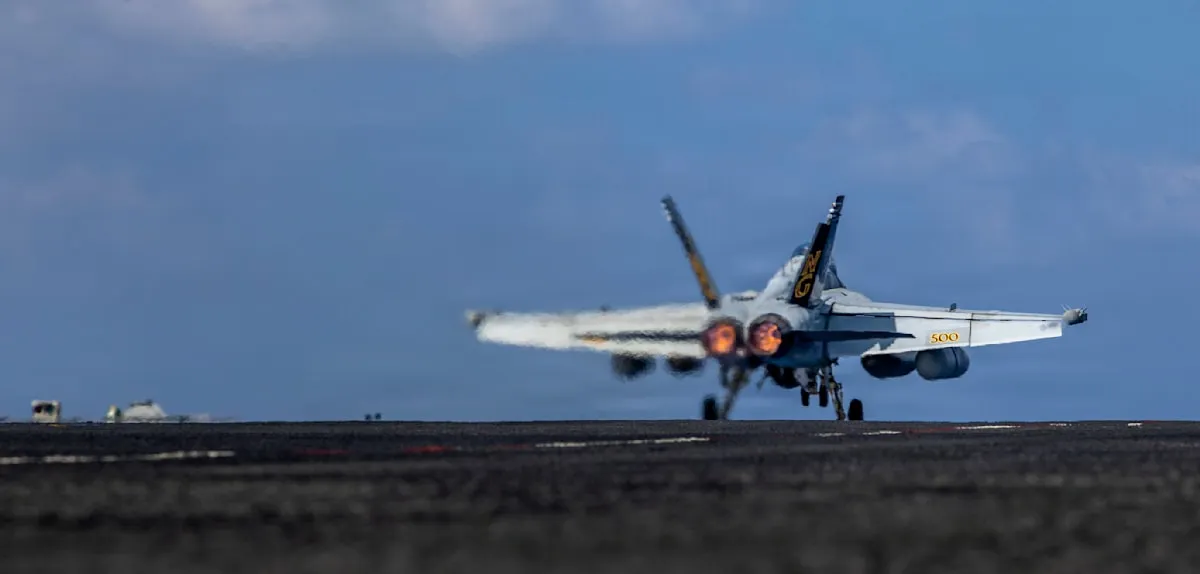
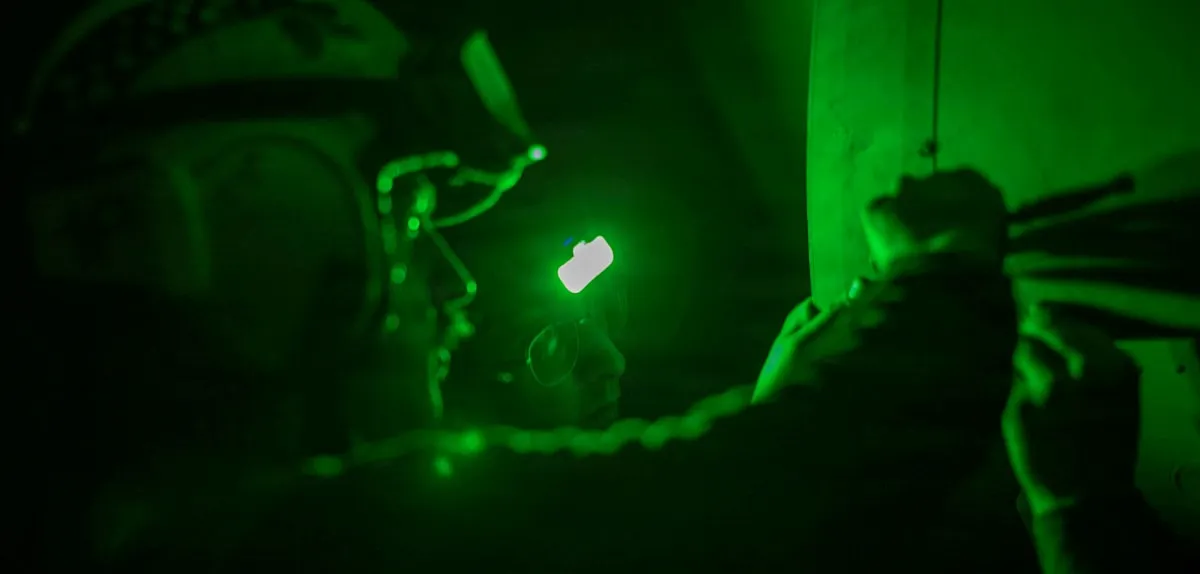
Tehran — Geopolitical tensions in the Middle East have once again escalated after the United States military launched its latest aerial attacks on several strategic targets in Iran in early 2026. These strikes targeted missile installations, air defense systems, and vessels belonging to Iran's Revolutionary Guard, under the pretext of protecting vital shipping lanes in the Strait of Hormuz. This situation immediately triggered alarm from the United Nations (UN), which urged both parties to return to the negotiating table to prevent further conflict escalation.
The precise attacks, reported by various international media outlets, mark a significant increase in the confrontation between Washington and Tehran. The military action specifically targeted assets deemed to threaten maritime security in one of the world's most crucial oil shipping channels. This is not the first time the US has demonstrated a firm stance in the region; the history of friction in the Strait of Hormuz is indeed long.
A Pentagon spokesperson, in an official statement, affirmed that the operation's sole purpose was defensive. They claimed that the actions of Iran's Revolutionary Guard, particularly vessel activities and potential missile threats, had endangered commercial ships navigating the area. Washington pledged to take any necessary steps to ensure global freedom of navigation is maintained.
The Iranian government, through its Ministry of Foreign Affairs, promptly condemned the US aggression. They labeled it an unacceptable violation of sovereignty and a threat to regional peace. A senior Iranian official, who requested anonymity, stated that Tehran would respond "proportionately and decisively" if its interests continued to be threatened.
New York — UN Secretary-General Antonio Guterres expressed deep concern over these developments. In an emergency press conference, Guterres called on all parties to exercise restraint and avoid provocative rhetoric. "The world does not need another conflict in this already vulnerable region," he stated, emphasizing the importance of diplomacy as the only way forward.
The UN explicitly requested the United States and Iran to cease unilateral military actions and open channels for communication. The UN's mandate is to maintain international peace and security, and the escalation in the Strait of Hormuz clearly poses a real threat to that mandate.
The Strait of Hormuz holds an unparalleled strategic position; approximately one-third of the world's total oil supply passes through it daily. Any minor disruption in this narrow waterway has the potential to trigger a surge in global oil prices and shake international financial markets, leading to massive economic impacts.
Previous incidents have demonstrated the fragility of the situation in the Strait of Hormuz. From tanker seizures to alleged sabotage, tensions in this area have often served as a barometer of broader geopolitical conditions. Memories of critical episodes that sparked fears of escalation, such as those once reported in the article Hormuz Kembali Mendidih: Rudal Iran Disasar AS, Eskalasi Tak Terhindarkan?, remain fresh in the minds of many international observers.
Middle East political analyst, Dr. Hassan Mirghani from Doha University, predicted that without serious diplomatic intervention, the situation could deteriorate. "Both sides appear trapped in a cycle of action-reaction. The UN and other major powers must immediately act as effective mediators," he explained.
The international community is now closely monitoring Tehran's subsequent response. Every step taken by Iran, whether military or diplomatic, will determine whether the Gulf region will again slide into open conflict or if a path to negotiation can still be found.
US President Joe Biden is known to be consulting with regional allies on the next steps. The White House affirmed its commitment to maritime security but also expressed openness to diplomatic solutions, provided Iran shows good faith.
On the other hand, Iranian President Ebrahim Raisi, through his press release, underscored his country's right to self-defense. Raisi asserted that regional security is the responsibility of the Gulf states, and foreign interference would only exacerbate the situation.
World leaders hope that this escalation will not progress into a full-scale armed conflict. Intense diplomatic pressure from various countries should hopefully de-escalate tensions and foster a lasting peaceful solution in this strategic region.
This crisis represents a severe test for global diplomatic efforts amidst complex geopolitical challenges in 2026, as the world continues to strive to balance national interests with international stability.