 Angel Doris
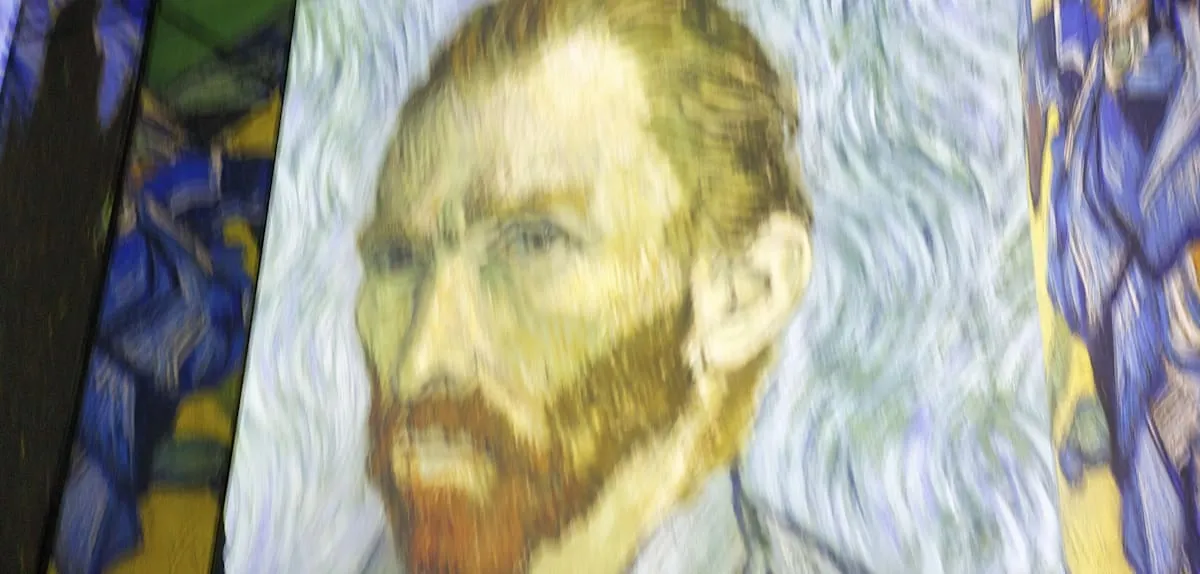
JAKARTA – The global art market is once again buzzing after Vincent van Gogh's legendary masterpiece, 'Bluehende Kastanienbaeume' (Flowering Chestnut Trees), sold for a stunning 173.5 million Euros, or over 3 trillion Indonesian Rupiah, at a prestigious auction in New York in early 2026. This sale not only reaffirms Van Gogh's position as one of history's most valuable artists but also sets a new record that has shaken the international art collecting world.
This monumental sale took place at a prominent, unnamed auction house, becoming the focal point for high-stakes collectors and art enthusiasts from across the globe. The 173.5 million Euro figure surpassed initial expectations, gloriously positioning this post-impressionist painting as one of the most expensive artworks ever auctioned.
'Bluehende Kastanienbaeume' was painted by Van Gogh in 1890, during the final, tumultuous yet productive period of his life. This work reflects the maestro's distinctive style with thick brushstrokes and a vibrant color palette, capturing the deep yet melancholic essence of natural beauty. The appearance of this painting on the auction market is always eagerly anticipated, given its rarity and historical significance.
Global art market analysts quickly highlighted this sale as a strong indicator of the resilience and growth in investment value for classical artworks, especially from high-caliber artists. Despite economic turbulence in various sectors, premium art assets consistently prove to be a prime choice for the super-rich seeking portfolio diversification and priceless status symbols.
The auction unfolded in a dramatic atmosphere. Bidding was fierce, with several parties competing anonymously by phone, showcasing an extraordinary level of competition to acquire this piece of art history. The final decision, confirming the record price, was met with enthusiastic applause from the attendees.
The buyer's identity remains confidential, a common practice in the world of high-end art auctions, adding an aura of mystery to the colossal transaction. Speculation abounds as to whether the work will end up in an exclusive private collection or become part of a publicly accessible museum or institution.
Van Gogh's work, which posthumously achieved immense fame, continues to captivate with its appeal. Every sale of his paintings always draws attention, but this recent sale of 'Bluehende Kastanienbaeume' sets a new standard. The painting represents Van Gogh's artistic period in Saint-Remy or Auvers-sur-Oise, where he created some of his most iconic works.
This is not the first time artwork has reached such fantastic figures. History records several record-breaking painting sales, but this Van Gogh sale surpasses many of them, including some major names like Picasso and Monet, in terms of historical nominal value. This trend indicates that the legacy of legendary artists like Van Gogh possesses an eternal appeal and timeless marketability.
Curators and art critics expressed admiration for the value achieved, while also viewing it as a challenge for public institutions to compete in an increasingly expensive market. This price shows that high-quality art is a universal currency valued by the global elite, said an anonymous art critic.
This sale is expected to spark further discussion about wealth concentration and the role of art as an investment asset, beyond its cultural heritage. In the continually volatile global economic environment of 2026, owning tangible, high-historical-value assets becomes an attractive strategy for ultra-high-net-worth investors.
Editorial Insight: The record-breaking sale of Vincent van Gogh's 'Bluehende Kastanienbaeume' in New York does not merely reflect a fantastic price; it also signifies the complex dynamics of the global art market. It underscores the enduring power of great artists' names and the willingness of ultra-wealthy collectors to invest colossal sums in cultural heritage. This event has the potential to further increase the value of other classical artworks, while also raising questions about art accessibility for the public in the future.