 Angel Doris
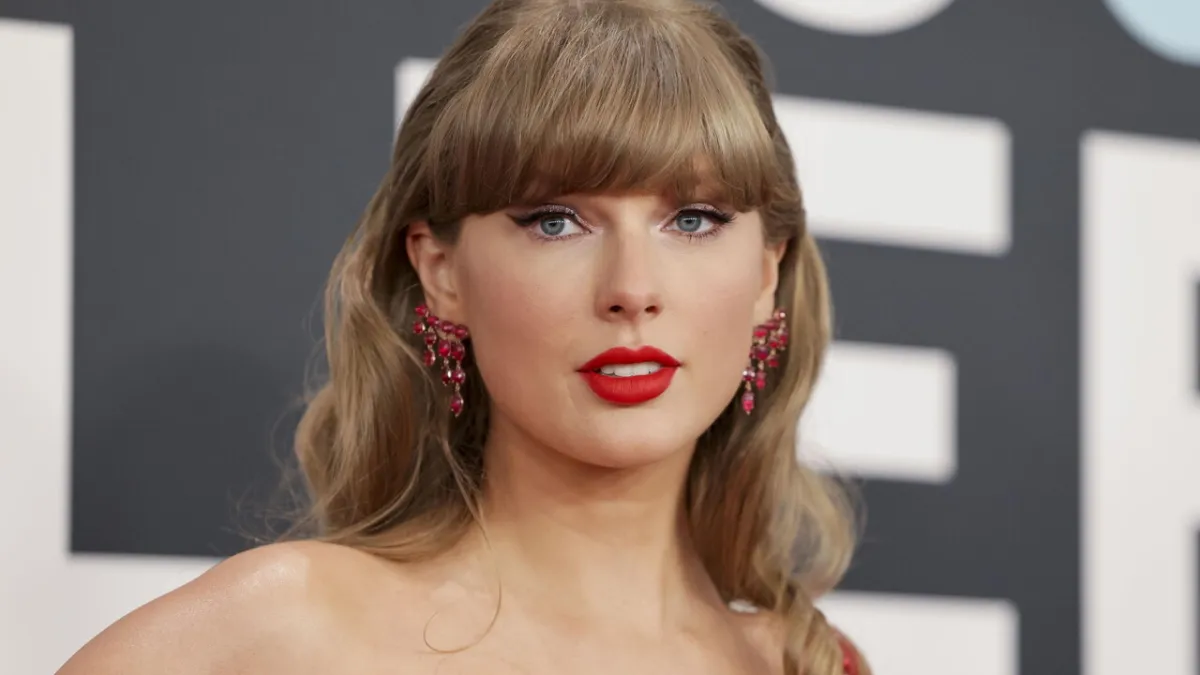
JAKARTA – Vanity Fair's recent publication has sent shockwaves through the global entertainment industry in 2026 with a deeply investigative report that explicitly avoids naming, yet clearly points to one of the most influential pop icons of the decade. Built from over 100 exclusive interviews, this report seeks to re-process the myth behind the megastar, triggering a fierce wave of debate that divides loyal fans and music critics worldwide.
The investigation is presented as an effort of in-depth journalism to take a closer look at the public narrative and image that has long been attached to the star. An internal source at Vanity Fair, who requested anonymity, revealed that the report's aim was to explore the complexities and layers behind a carefully constructed public persona, without intending to damage reputation.
This report highlights various aspects of the pop star's professional and personal life, from a brilliant early career to global stage dominance. The narrative presented attempts to unravel how an artist's image is formed, evolves, and sometimes intersects with the reality behind the scenes. This issue aligns with the spotlight on celebrity documentaries, as seen in the article about Colin Farrell shaking HBO with his brave life documentary.
Vanity Fair journalists spent months, even a full year, gathering testimonies from various parties: former colleagues, musicians, producers, tour managers, and individuals who once had close relationships with the subject of the investigation. This comprehensive process underscores the media's commitment to strict investigative journalism standards.
Public reactions were not uniform. On one hand, legions of fans, known for their extreme loyalty, launched sharp criticism against Vanity Fair, accusing the publication of attempting to tear down their idol with interpretations deemed biased or unfounded. They argued that the report was an inappropriate attempt to disturb the private life of a public figure who has contributed much to the music industry.
This is an unfair deconstruction effort, said a passionate fan on social media, whose name was withheld for privacy, commenting on the article. They are trying to find cracks where there are none. Why dig into a long-past past, especially without a strong basis?
Conversely, music critics and industry observers welcomed the report, viewing it as a significant step in entertainment journalism. They argued that no public figure, no matter how popular, is immune to media scrutiny, especially concerning narratives that shape broad public perception.
A prominent music critic wrote in his opinion column, Journalism is about seeking the truth, even when that truth is uncomfortable. A biography, whether written by the artist themselves or by the media, must be open to interpretation and analysis. This opinion reflects the need for transparency in celebrity public images.
The impact of this Vanity Fair report is not limited to online discussions. Reportedly, several record labels and artist management teams have begun re-evaluating their client communication and public image strategies, recognizing that such investigative publications can alter the landscape of fan and industry perception.
The controversy that arose also reignited a fundamental debate about the boundaries between a celebrity's right to privacy and the public interest in information. This thin line becomes increasingly blurred in the digital age, where every aspect of a public figure's life can be rapidly analyzed and dissected by millions of eyes.
Editorial Insight: Vanity Fair's investigation, despite causing polarization, reaffirms the crucial role of media in maintaining accountability, even for revered figures. This phenomenon is not just about one pop star; it is a reflection of how celebrity images are constructed and how contemporary journalism adapts to challenge existing narratives. This publication will likely set new standards for future celebrity coverage, encouraging other media outlets to undertake similar explorations of public figures.