 Dorry Archiles
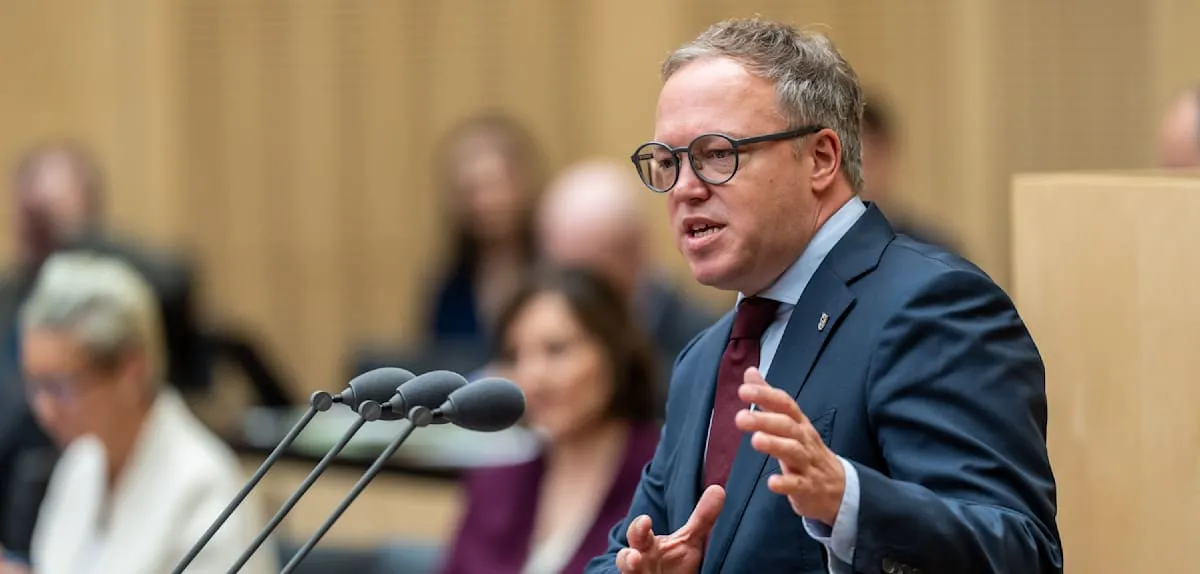
CHEMNITZ – A legal and academic battle ensnares Mario Voigt, a prominent German politician, following a final decision by Technische Universitat Chemnitz to uphold the revocation of his doctoral degree. After months under intense public scrutiny and pressure, Voigt's attempt to appeal the university's decision through internal channels was officially rejected. Voigt's legal counsel has unequivocally stated their intention to pursue this struggle in court, opening a new chapter in a dispute that questions academic integrity within university environments.
The university's decision stems from allegations of misuse and unethical work in his doctoral dissertation. Since these issues first emerged some time ago, Voigt's credibility as an academic and politician has been under sharp focus. A thorough internal investigation by the academic senate of Technische Universitat Chemnitz found strong indications of irregularities.
The revocation of this doctorate was not an overnight process. The university underwent a series of strict procedures, including a re-examination of the dissertation's substance and an opportunity for Voigt to present his defense. This process spanned several months, reflecting the complexity and sensitivity of such cases.
In a statement to the media, a spokesperson for Technische Universitat Chemnitz underscored the institution's commitment to the highest academic standards. Scientific integrity is the fundamental cornerstone of higher education. The decision taken is the result of a careful and independent evaluation by an expert committee, without external intervention, they stated, highlighting the importance of maintaining academic reputation.
Voigt, also known as a politician from the Thuringia region, continues to vehemently deny the allegations. He argues that the review process for his dissertation was unfair and politically motivated. His legal team insists they possess evidence to be presented in an administrative court lawsuit to overturn the university's decision.
The announcement of the lawsuit sparks further speculation about potential political ramifications. As a public figure, the case of a revoked doctorate could potentially damage Voigt's image and political career within German society.
This dispute also brings renewed attention to issues related to scientific writing ethics and plagiarism among academics and politicians in Europe. Several similar cases have surfaced in the past, involving public officials whose academic titles were questioned.
Naturally, the university is now preparing to face the legal challenge. The judicial process is expected to be lengthy and complex, with significant implications for both parties. Transparency in the upcoming legal proceedings will be eagerly awaited by the public.
Voigt's case serves as an important reminder for all academic communities and public figures regarding the moral and ethical responsibilities in every scientific work produced. Authenticity and originality are irreplaceable pillars in the academic world.
Editorial Insight: Mario Voigt's case reopens a fundamental debate about academic integrity amidst political turmoil. Technische Universitat Chemnitz's decision to proceed with the revocation of Voigt's doctorate, despite facing a lawsuit, sends a strong message about the institution's commitment to ethical standards. If Voigt's lawsuit fails, it will set a significant precedent for other politicians. However, if the lawsuit succeeds, it could cast doubt on the objectivity of the university's academic review process. The dynamics of this 2026 trial will shape a new direction for political and academic ethics in Germany.