 Angel Doris
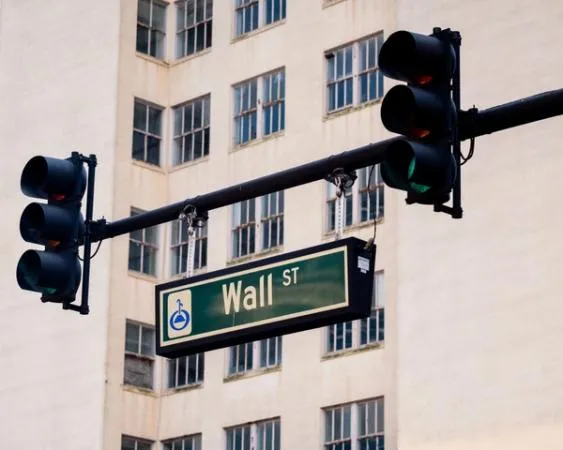
JAKARTA – The global financial market witnessed a significant shift as Wall Street, the United States' financial capitalization hub, once again flooded Bitcoin investment funds with a net capital injection totaling 4 billion US dollars throughout the third quarter of 2026. This surprising move effectively ended a massive selling trend that had dominated the crypto market for nine consecutive months, as revealed by the latest research from Galaxy Research. However, that optimism appears to be short-lived, with indications of renewed selling emerging in the fourth quarter of this year.
This reversal in investment direction marks a crucial moment for the world's largest digital asset. After nearly a year of being haunted by selling pressure from institutional investors, this fresh influx of funds from major players on Wall Street provides a breath of fresh air for the Bitcoin ecosystem and other cryptocurrencies.
The Galaxy Research report, widely recognized for its in-depth analysis of the digital asset sector, highlights the significant volume of purchases that occurred between July and September 2026. The $4 billion figure is not just a number but a reflection of changing sentiment and the strategic potential once again perceived by top-tier fund managers.
This phenomenon has triggered various speculations among market analysts regarding the underlying driving factors. Some argue that stabilizing macroeconomic conditions in 2026, coupled with increasing regulatory clarity in several jurisdictions, might be the primary catalysts.
Nevertheless, observers also caution that the crypto market is always volatile. Recent data from Galaxy Research shows that the buying euphoria in the third quarter did not persist. Renewed selling occurred this quarter, reads a small part of the report, referring to market movements at the beginning of the fourth quarter.
This rapid trend reversal underscores the complexity of digital asset market dynamics, where investor sentiment can change within weeks. Both retail and institutional investors need to observe every signal to anticipate subsequent fluctuations.
Wall Street's decision to reinvest heavily in Bitcoin can be seen as an attempt to diversify portfolios amidst global economic uncertainty. Digital assets, with their decentralized characteristics, are often considered a hedge against inflation or the instability of traditional financial systems.
This development also occurs amid heated speculation regarding the approval of a spot Bitcoin ETF in the United States. Although there is no certainty yet, the hope for such an investment product has long been a key driver of optimism in the crypto market. Approval would open the door for even more institutional capital flows.
On the other hand, some analyses also link this movement to the monetary policies of major central banks worldwide in 2026. Benchmark interest rates that may begin to stabilize or even decline in some countries could encourage investors to seek higher-risk assets with greater potential returns, such as Bitcoin.
Certainly, the narrative surrounding global institutions chasing Bitcoin ETFs is not new. It indicates long-term interest from major players who continuously seek exposure to digital assets.
Despite the fluctuations, the macro trend suggests that institutional adoption of Bitcoin continues. Companies like VanEck, for example, have made strategic changes in their Bitcoin fund management. (See related article: Crypto Market Shaken: VanEck Replaces Gemini as Bitcoin ETF Custodian!).
These developments highlight the critical role of research institutions like Galaxy Research in providing much-needed transparency and insight in this still relatively new market. Without accurate data, investors would struggle to make informed decisions.
Given the fluctuations, it is important for investors to conduct thorough research and not merely follow short-term trends. Crypto market predictions are always dynamic, and assets like Anthropic stock (see: Crypto Market Prediction: Anthropic Stock Plummets 5% This Friday?) show that even in related technology sectors, volatility remains key.
Editorial Insight: The movement of institutional funds on Wall Street into Bitcoin reflects two sides of the crypto market coin: the significant profit potential that attracts large investors, coupled with inherent volatility that can reverse trends in a short time. The signal of substantial buying in Q3 2026 indeed suggests that Bitcoin's fundamental foundation is strengthening in modern investment portfolios. However, the re-emergence of selling pressure in Q4 confirms that this market remains highly sensitive to short-term sentiment and news. Going forward, attention will focus on regulation and the adoption of more structured investment products to provide further stability.