 Chandra Wijayanto
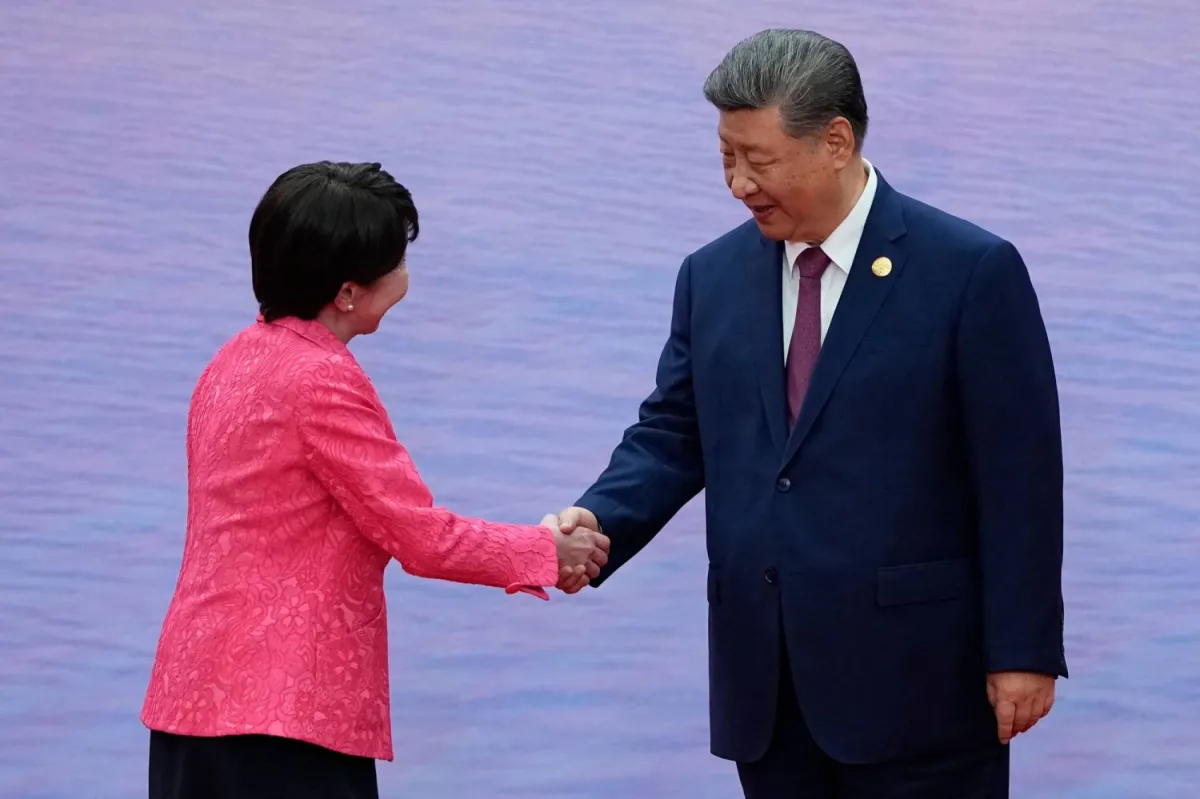
BEIJING – An unexpected diplomatic gesture unfolded as Chinese President Xi Jinping shared a cordial handshake with senior Japanese politician Sanae Takaichi, marking their first encounter since Takaichi's controversial remarks last year about possible Japanese military intervention in a Taiwan crisis. This interaction, occurring on the sidelines of an international forum, sparked speculation about a potential thawing of sensitive regional tensions.
The brief yet significant meeting took place in Beijing, suggesting a willingness for dialogue despite previously sharp rhetoric. Takaichi, a prominent conservative figure within Japan's Liberal Democratic Party, had created diplomatic ripples in 2025 with statements implying Tokyo's involvement in a Taiwan contingency, a territory Beijing claims as an integral part of its sovereignty.
Takaichi's comments at the time were widely interpreted as a departure from Japan's more cautious foreign policy, drawing strong condemnation from Beijing. Taiwan, with its self-governing democracy, remains one of Asia's most perilous geopolitical flashpoints, with China repeatedly asserting its determination to 'reunify' the island, by force if necessary.
The handshake transpired amidst a complex regional dynamic where Japan has increasingly voiced concerns over Taiwan's security. The Japanese Prime Minister, also Takaichi's party leader, has consistently stated that peace and stability in the Taiwan Strait are 'critically important' for Japan's national security and global stability.
Analysts view this interaction as sending mixed signals from both sides. For China, engaging in a public, amicable interaction with a politician who made such provocative statements might be an attempt to project a more moderate image, or simply to demonstrate diplomatic maturity.
Meanwhile, for Japan, the opportunity for Takaichi to engage directly with the Chinese leader could be a way to open high-level communication channels, while also gauging Beijing's response to previous statements. It is a carefully orchestrated move to balance strategic alliances with the United States and pragmatic relations with its largest neighbor.
This event can also be viewed within the broader context of diplomatic efforts in Asia, as seen in articles discussing crucial meetings in China. For instance, Beijing Berani: Xi, Putin, dan Trump, Pusat Diplomasi Dunia Bergeser highlights how China often serves as a focal point for significant gatherings shaping global dynamics.
Geopolitical observers note that such handshakes, while symbolic, often precede or accompany more substantial policy shifts. This could represent the nascent stages of a more coordinated effort to manage the Taiwan issue, which has been a consistent source of tension.
The Japanese government has not issued an official statement detailing any discussions (if they occurred) between Takaichi and Xi, but diplomatic sources suggest the primary focus would be on the importance of maintaining regional stability and avoiding miscalculation.
The potential threat of a Chinese invasion of Taiwan has fueled global anxieties, prompting Western nations to reinforce their support for Taiwan and press Beijing for restraint. In this context, any sign of de-escalation, no matter how minor, is met with cautious relief.
Whether this brief interaction will translate into broader changes in Sino-Japanese relations or Taiwan-related policies remains to be seen. However, for now, the handshake between Xi and Takaichi serves as a reminder that diplomacy remains a potent tool, even amid profound disagreements.
Editorial Insight: The handshake between Xi Jinping and Sanae Takaichi is more than just diplomatic pleasantries. It is a subtle indicator that beneath the harsh rhetoric and rigid political stances, there is room for interaction and perhaps, de-escalation. China may be recognizing the costs of regional isolation, while Japan seeks ways to manage risks without compromising its security principles. This event, though minor, could be a stepping stone towards more constructive dialogue in the future, even as the path to resolving the Taiwan issue remains long and complex.