 Chandra Wijayanto
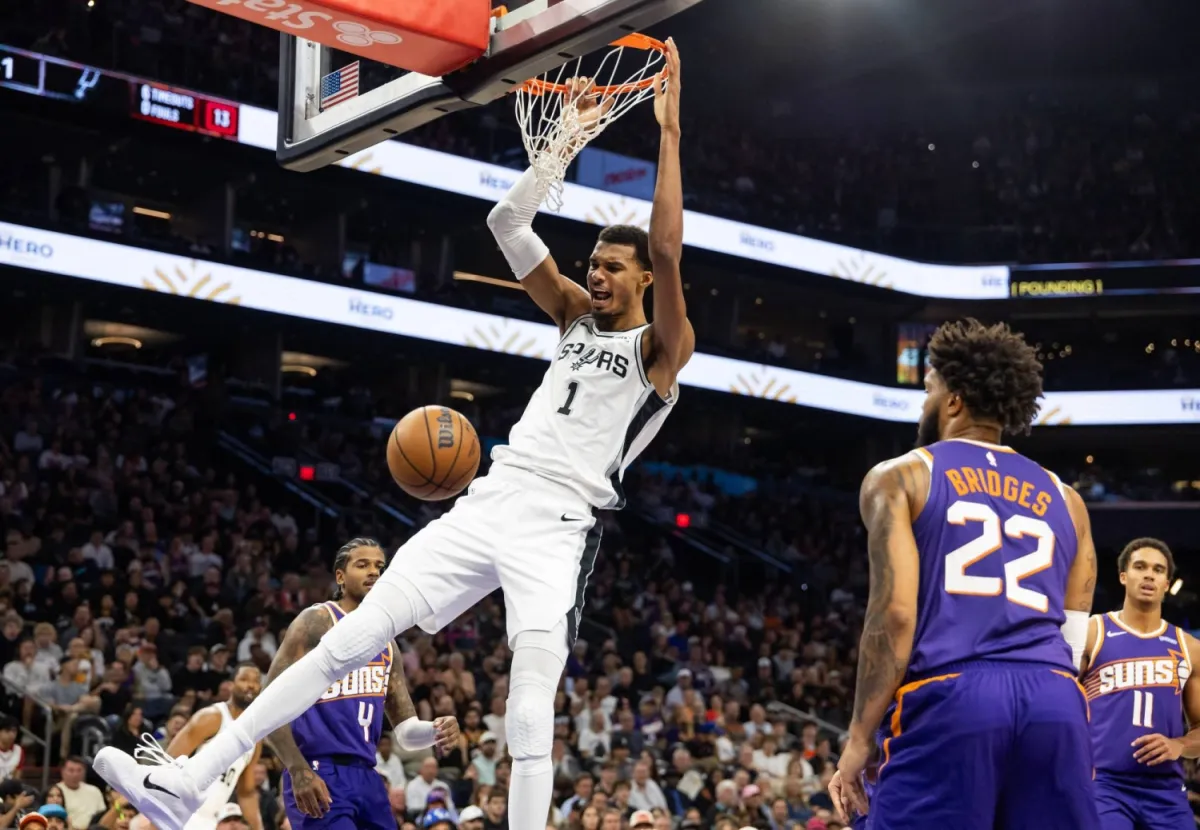
JAKARTA – Victor Wembanyama, the phenomenal talent now in his fourth NBA season, is not only a strong contender for the Most Valuable Player (MVP) award for the 2025-2026 season, but has also surprisingly embraced the role of a much-sought-after 'villain' figure in the sporting arena. This dynamic sparks an intriguing debate about why the public, especially basketball fans, seems to crave the presence of an emotionally charged antagonist.
The 'villain' phenomenon in sports is not new. From the era of Bill Laimbeer to LeBron James in his early career, every generation has had figures who were both hated and admired for their extraordinary skills. Wembanyama, with his towering height and above-average abilities, has inadvertently placed himself in this elite category.
The public has begun to highlight how this French player, whose debut was highly anticipated, has evolved into a dominant figure. His versatile abilities, from spectacular block-shots to accurate long-range shots, make him a constant threat in every game.
However, this 'antagonistic' aura does not only stem from his on-court performance. His confident statements, cold facial expressions, and his dominance that frustrates opposing teams, collectively shape this perception. This raises a fundamental question: does society indeed need figures to hate to balance the hero narrative?
Psychological analysis indicates that the presence of a 'villain' can enrich the sports viewing experience. They provide a clear contrast to the 'hero,' creating a more dramatic storyline, and triggering strong emotions that make games feel more alive and unforgettable.
Fans can channel their frustrations or competitive energy through collective animosity towards a player, which ultimately increases the league's appeal. Wembanyama's presence as an 'antagonist' allows fans to become more emotionally invested in his every game, whether to support him or to see him defeated.
The 2026 season serves as a stage for Wembanyama to prove himself. With individual statistics continuing to soar, he is not only leading the MVP race but also changing the dynamic of public perception towards him. He is not merely a star player; he is an emotional catalyst.
On several occasions, Wembanyama himself has appeared to respond calmly to this narrative, indicating that he is focused on his performance and not overly bothered by the label attached to him. His professionalism amid the swirl of public opinion further strengthens his character.
The sports industry, including the NBA, indirectly leverages this 'hero vs. villain' narrative to build tension and interest. This has proven effective in maintaining the relevance and appeal of the competition to millions of global fans.
The Wembanyama 'antagonist' phenomenon is proof that modern sports are more than just physical contests. They are complex narrative stages, where players' roles and characters have a significant impact on how the public consumes and experiences the passion of competition.
Editorial Insight: Victor Wembanyama's emergence as an 'antagonistic' figure in the 2026 NBA is not merely a coincidence, but a reflection of the audience's inherent need for drama and polarization. In the fast-paced social media era, strong characters – whether as heroes or villains – become magnets for attention. This phenomenon has the potential to enhance the league's entertainment value, attract a wider demographic of viewers, and create a legacy for Wembanyama that far transcends mere statistics. It is a fascinating case study in narrative construction within professional sports.