 Dodi Irawan
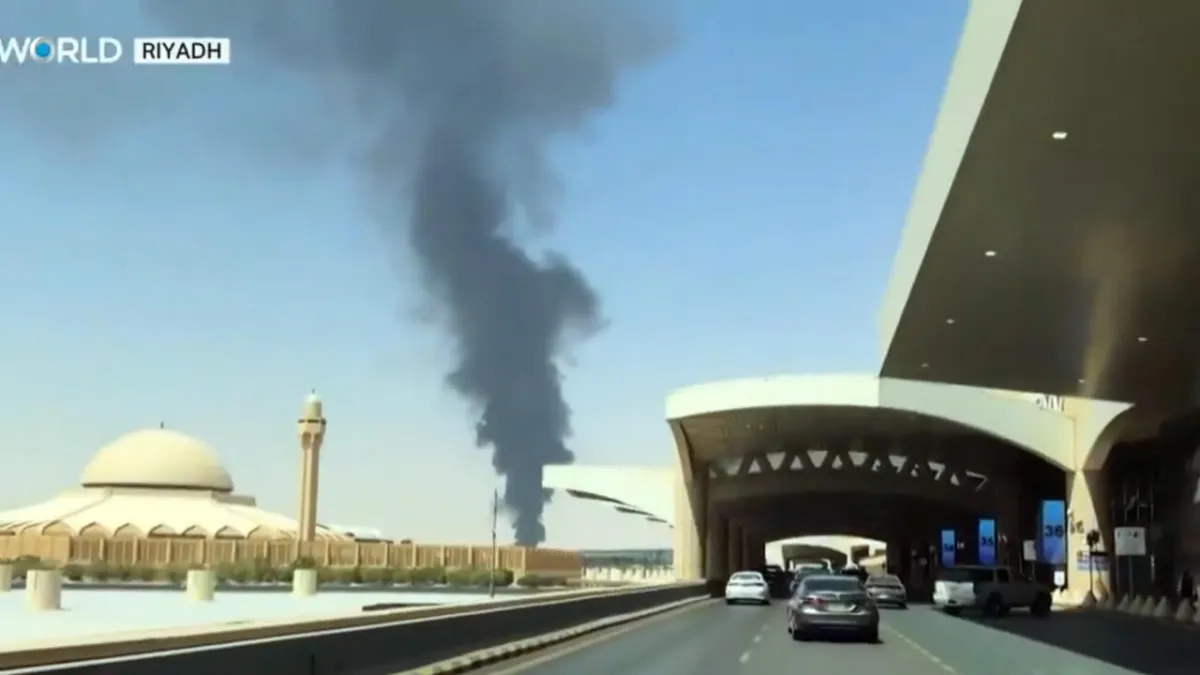
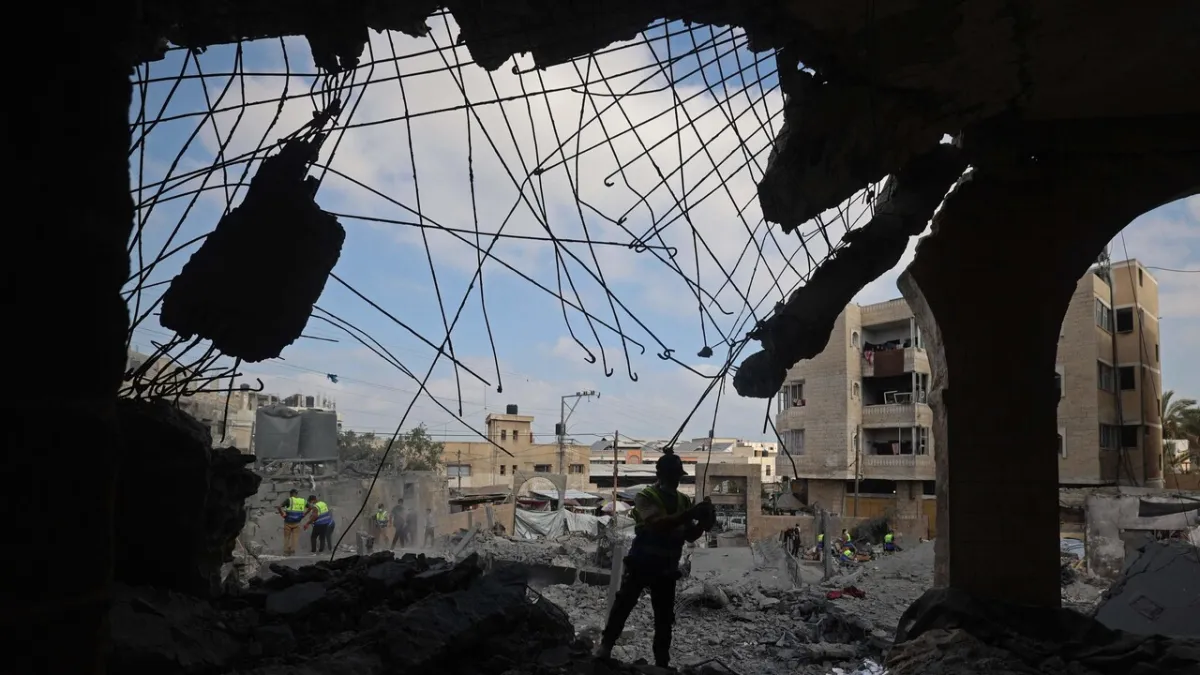
Tehran, Iran — The United States military has once again launched attacks on several targets in Iran, marking the 12th consecutive wave of aggression. This escalation of conflict, exacerbated by harsh threats from US President Donald Trump, has triggered a surge in global crude oil prices to their highest level since June 2026. The continuous bombardments not only fuel regional tensions but also send waves of concern regarding international economic stability.
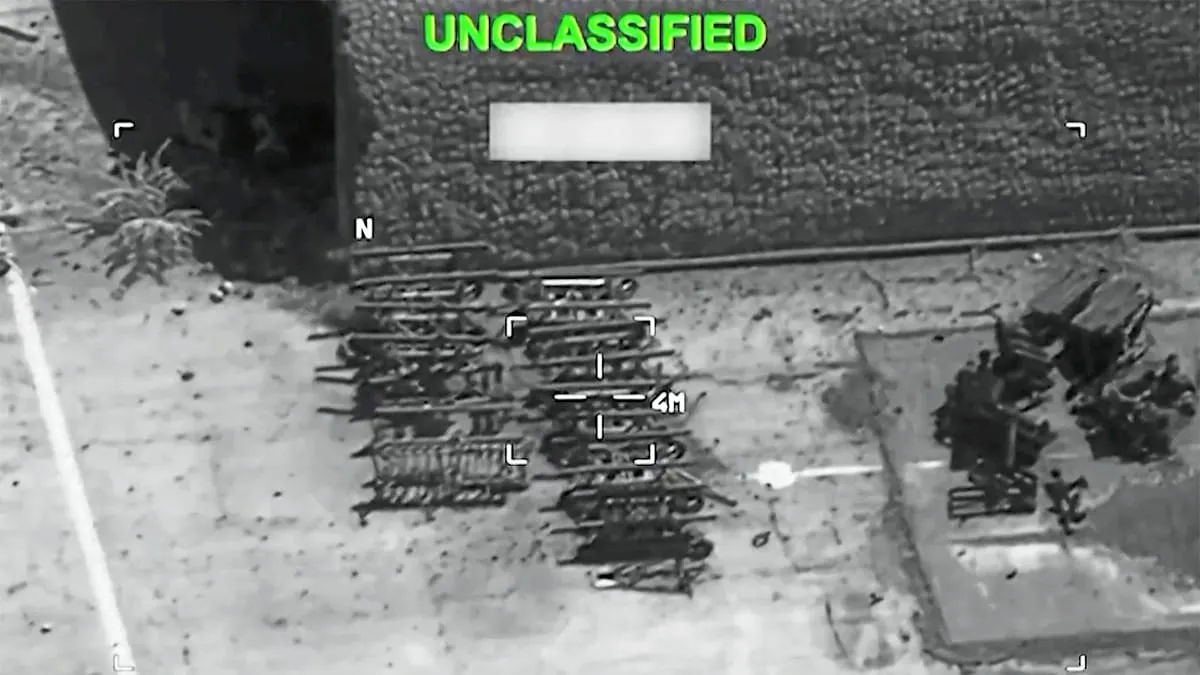
The nocturnal attacks reportedly targeted vital facilities at several strategic locations in Iran. While specific details about the targets have not been officially released by the Pentagon, the pattern of repeated strikes indicates a systematic effort to pressure the Tehran regime. Military analysts underscore the frequency and consistency of these operations as Washington's strategy to demonstrate its power and resolve.
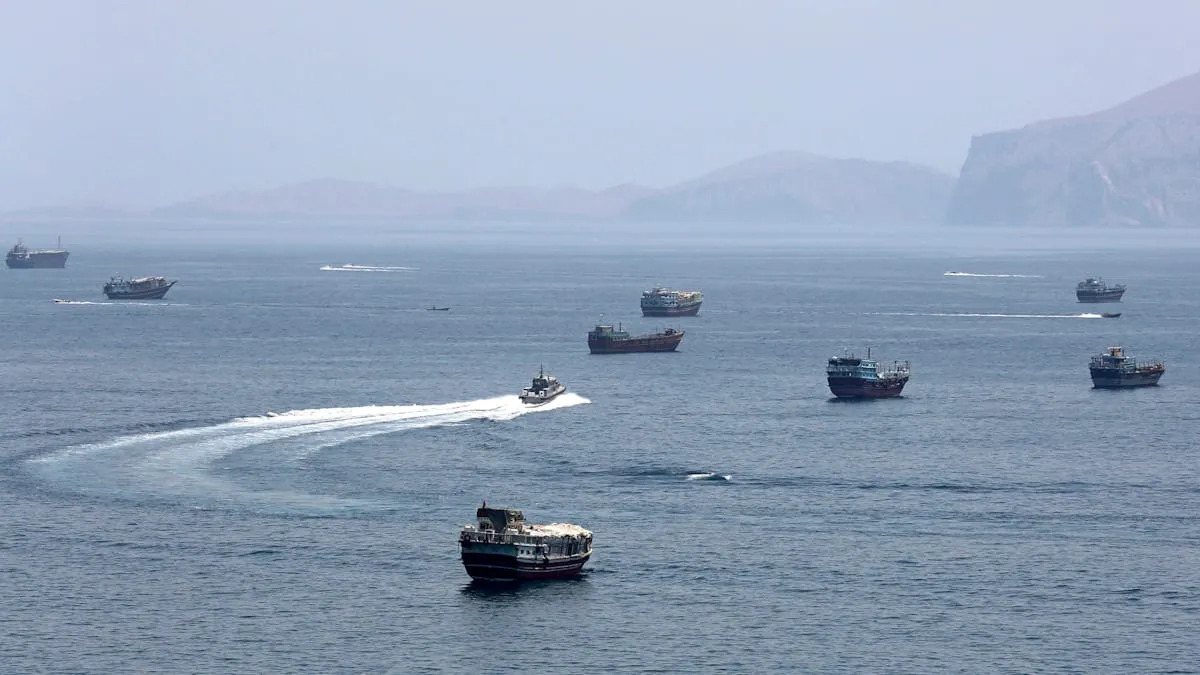
The immediate impact of these military actions was quickly felt in commodity markets. Prices for Brent and WTI crude oil surged significantly, surpassing psychological thresholds not reached for months. Traders and investors responded with apprehension, anticipating potential disruptions to global oil supplies traversing the Strait of Hormuz, a crucial shipping lane for world oil exports.
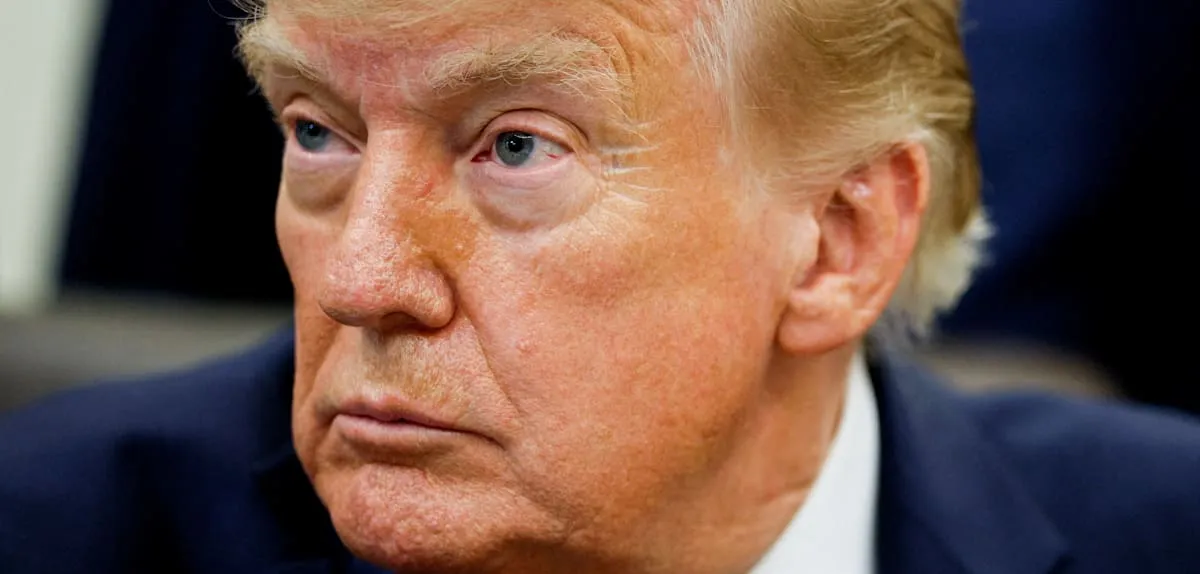
The heightened tension is further compounded by President Trump's increasingly sharp rhetoric. Prior to this latest series of attacks, Trump had repeatedly warned Tehran with statements indicating options for 'bombing and destruction' if provocations continued. These statements, broadcast through various media channels, add to geopolitical pressure and fuel speculation regarding the scope of a potential conflict.
Iran's response, meanwhile, reportedly involves an increase in air defense readiness. Sources in Tehran confirmed that their defense systems have been activated to their maximum capacity in anticipation of further attacks. A previous report indicated that Iran's air defense was active during new American attacks, demonstrating their readiness to face threats.
This wave of attacks adds to a long list of incidents dominating US-Iran relations throughout 2026. The situation in the Persian Gulf is heating up, raising concerns among the international community about the potential for a larger, open conflict. Several US allies have expressed apprehension, urging all parties to exercise restraint and seek diplomatic solutions.
The threat to global economic stability due to this conflict is not imaginary. Economic analysts from leading financial institutions predict that if tensions continue to rise, the impact will extend to energy supply chains and other commodity prices. This could trigger inflation in various countries and slow down economic growth that has only recently recovered post-pandemic.
Previously, similar incidents, such as those reported in the 12th wave of US attacks shaking Iran, Hormuz claims dismissed by Washington, have shown the complexity of the situation. Claims over control of the Strait of Hormuz often become a major point of friction between these two powers, with the US insisting on international freedom of navigation.
International geopolitical observers are calling for serious mediation efforts to de-escalate this crisis. Without effective diplomatic intervention, military escalation could have fatal consequences for the stability of the Middle East and the entire world. Proxy wars and limited military actions have the potential to trigger an uncontrollable chain reaction.
The economic repercussions of this confrontation are also a serious concern. Reports related to the looming Iran war, with Germany considering new debt to prevent social collapse, show that even developed nations feel the ripple effects of this instability. Meanwhile, discussions in the US Congress regarding the cost of military operations in the region, as revealed by Hegseth that the Iran war has cost billions of dollars, are intensifying, reflecting internal debate in Washington.
The international community now awaits the next steps from both sides. Will there be constructive de-escalation efforts, or will they delve deeper into the abyss of conflict? The future of regional and global stability depends on the crucial decisions to be made in the near future.