 Chandra Wijayanto
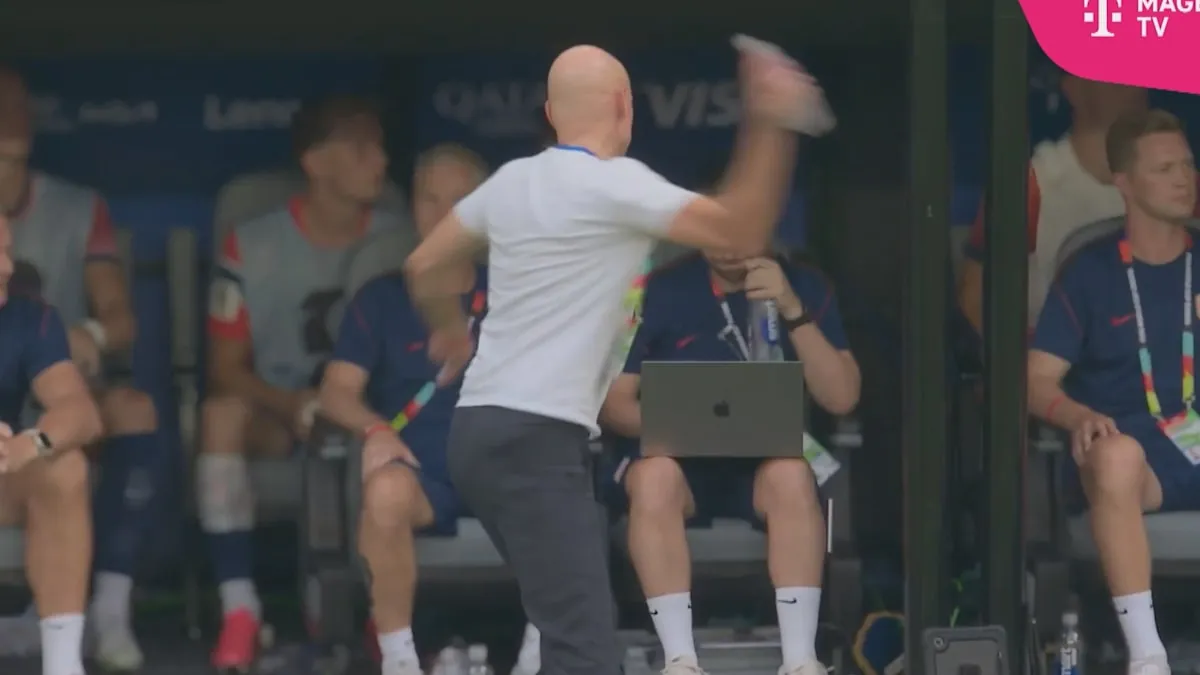
DOHA – A startling incident marred a crucial match at the 2026 World Cup when Norway's national team coach, Ståle Solbakken, was captured on camera throwing a water bottle in the technical area, narrowly missing a colleague from the opposing bench. This moment, occurring during the quarter-final stage of the world's most prestigious football tournament, immediately sparked widespread discussion about the immense pressure and overflowing emotions prevalent in high-stakes competition.
The incident originated from a controversial referee's decision in the final minutes of the match, which visibly enraged the Norwegian camp. Frustration was palpable on Solbakken's face before he ultimately vented his anger by throwing a plastic water bottle towards the opposing team's dugout. Fortunately, the bottle narrowly missed its target and did not directly hit anyone.
Tension on the sidelines had been building since the beginning of the second half. The aggressive Norwegian team faced fierce resistance from their opponents. Several golden opportunities went unutilized, adding to the mounting pressure on Solbakken and his squad.
The bottle-throwing incident quickly drew the attention of match officials and FIFA delegates. While there was no immediate intervention during the game, it is anticipated that FIFA's disciplinary committee will conduct a thorough post-match investigation to evaluate the coach's actions.
Ståle Solbakken is known as a coach with a high competitive spirit who often displays his emotions on the sidelines. However, this particular act was deemed to have crossed the boundaries of sportsmanship, which should be upheld in a major event like the World Cup. His track record as both a player and coach is frequently characterized by fierce passion, sometimes accompanied by emotional outbursts.
Norway's journey in the 2026 World Cup has indeed been dynamic. The team, strengthened by stars like Erling Haaland, showcased exceptional performance in the group stage but began facing tough challenges in the knockout rounds. Previously, the public also highlighted a fatal blunder by Norway's goalkeeper that halted their progress in the 2026 World Cup, adding to the list of incidents marking their campaign.
Undeniably, the atmosphere of the World Cup, especially in the quarter-finals, brings immense psychological pressure. Every referee's decision, every goal scored or missed, can change the course of a match and the fate of a nation. Coaches are on the frontline of this pressure, required to maintain composure while inspiring their teams.
Considering the current global context, where solidarity and professionalism are key values, such actions can tarnish the tournament's image. Players and staff serve as role models for millions of fans worldwide, making their conduct on the field always a focal point.
Solbakken's action also sparked broad debate among football analysts and netizens. Many regretted the act, considering it inappropriate for a team leader. Nevertheless, a significant number also understood that emotion is an inseparable part of football's passion, though it must remain controlled.
Similar incidents are not new in football history. Various coaches and players have been involved in emotional outbursts on the field, ranging from strong protests to physical altercations. However, FIFA consistently emphasizes the importance of maintaining an image of sportsmanship and professionalism.
There were even whispers that this match was part of a larger tension, especially if the opponent was a European giant. The public was stirred by the potential 2026 World Cup drama where Norway was rumored to challenge England, adding to the weight of expectations on every decision on the field.
After the match, Solbakken reportedly issued an apology for his actions. He admitted that his emotions had peaked and did not reflect proper conduct for a coach. This statement is hoped to ease tensions and demonstrate sincere regret.
FIFA has strict regulations regarding conduct in the technical area. Potential sanctions could include fines, a ban from accompanying the team in several subsequent matches, or even harsher penalties depending on the investigation's outcome. The final decision from the disciplinary committee will set an important precedent.
This incident serves as a crucial reminder for all elements within the football world, from players, coaches, to officials, about the necessity of managing emotions and upholding the values of sportsmanship. The World Cup is a global stage that demands not only technical excellence but also mental maturity and ethics.
Although Norway may face consequences from their coach's actions, the primary focus now shifts back to the team's performance in the remainder of the tournament or post-tournament evaluation. Hopefully, this incident becomes a valuable lesson for Solbakken and all parties involved in the roar of the 2026 World Cup.