 Angel Doris
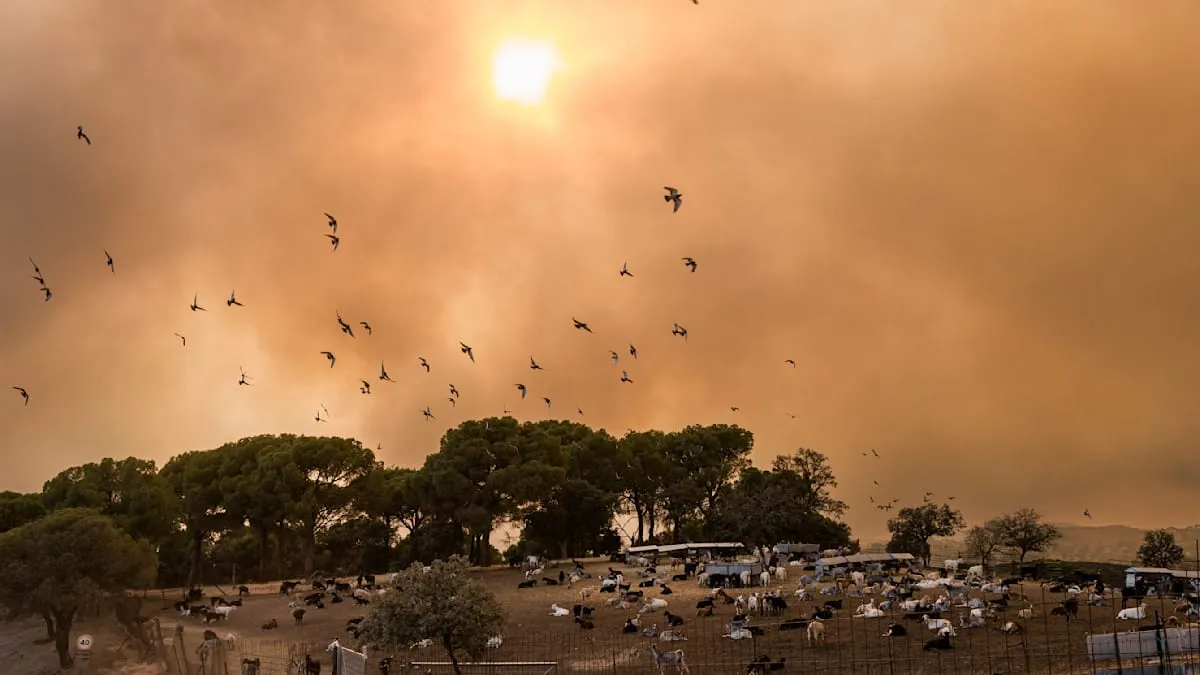
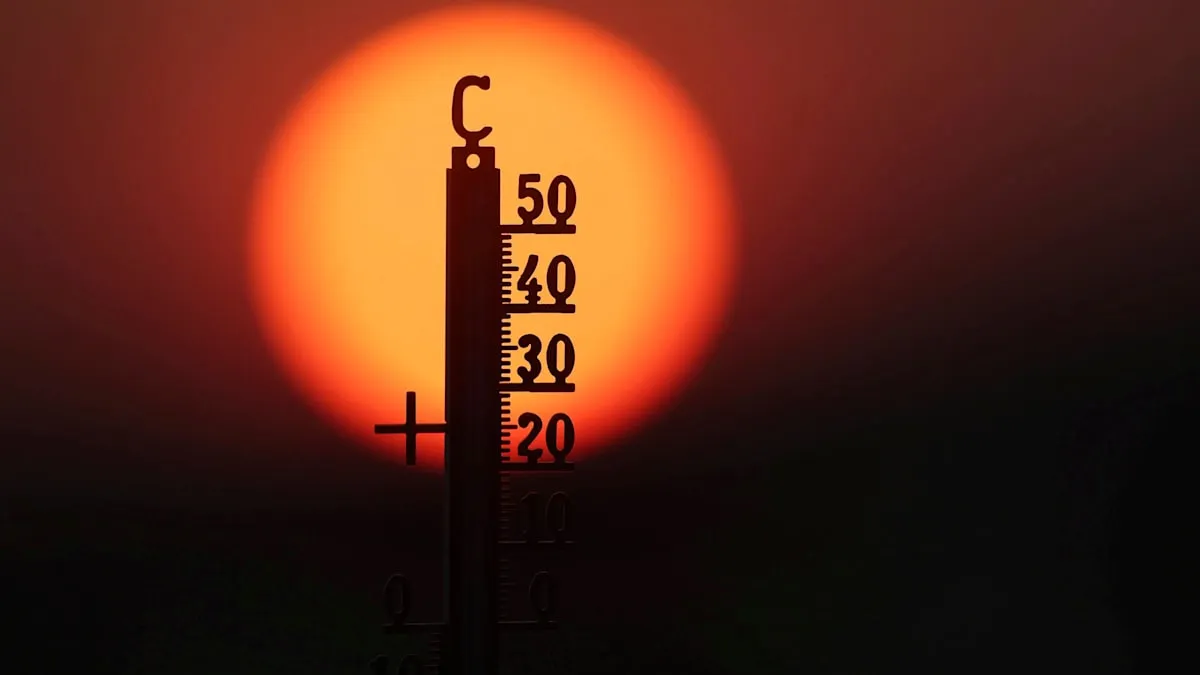
Madrid, Spain — A devastating heatwave, registering a record temperature of 45.6 degrees Celsius, has triggered a series of destructive forest fires across significant parts of Spain, particularly south of Madrid, since this week. This natural disaster is causing severe impacts, threatening ecosystems and residential areas in the summer of 2026.
This extreme phenomenon is not just a typical temperature spike. Meteorological data indicates that the 45.6 degrees Celsius recorded is one of the highest in the region over the last decade, creating ideal conditions for fire to spread rapidly across dry land and vulnerable vegetation.
The full extent of casualties and material damage remains uncertain, but initial reports suggest tens of thousands of hectares have been scorched. "The scale of the impact is truly heartbreaking," stated Miguel Gutiérrez Posada, a senior correspondent on the ground, describing the devastation in the affected areas.
The region south of Madrid has become the epicenter of the disaster. Formerly lush pine forests and scrubland are now reduced to ash, forcing thousands of residents to evacuate for safety. Local authorities continue to evaluate and coordinate rescue efforts.
The Spanish government has declared a state of emergency, deploying firefighting units from various regions, including aerial support with helicopters and water-bombing planes. However, the rapid spread of the fire, fueled by strong winds and high temperatures, poses a significant challenge for rescue teams.
The 2026 forest fires in Spain add to a growing list of extreme climate disasters affecting Europe. Since the beginning of the decade, the continent has increasingly faced deadly heatwaves and prolonged dry seasons, indicating a worrying trend of climate change.
Meteorological and environmental experts warn that without serious climate change mitigation, similar events will continue to occur with greater intensity. "We are witnessing firsthand the consequences of global warming," a climate researcher from Complutense University of Madrid remarked.
Beyond environmental damage, public health threats are also increasing. Thick smoke blankets several cities, deteriorating air quality and triggering respiratory problems for residents, especially vulnerable groups such as children and the elderly.
The situation in Spain is reminiscent of the intense forest fires that once ravaged Cap Ferret, where hundreds were trapped, necessitating dramatic sea evacuations. Both incidents highlight the Mediterranean ecosystem's fragility against the threat of fire.
Given the scale of this disaster, neighboring countries and international organizations are beginning to offer assistance. The European Union is reportedly coordinating an emergency aid mechanism to support Spain's firefighting and recovery efforts.
Post-disaster restoration efforts are expected to take years and require substantial funding. The immediate priority remains controlling the fires and ensuring the safety of citizens and vital infrastructure. This summer of 2026 will serve as a bitter reminder of environmental fragility amidst global climate challenges.