 Dorry Archiles
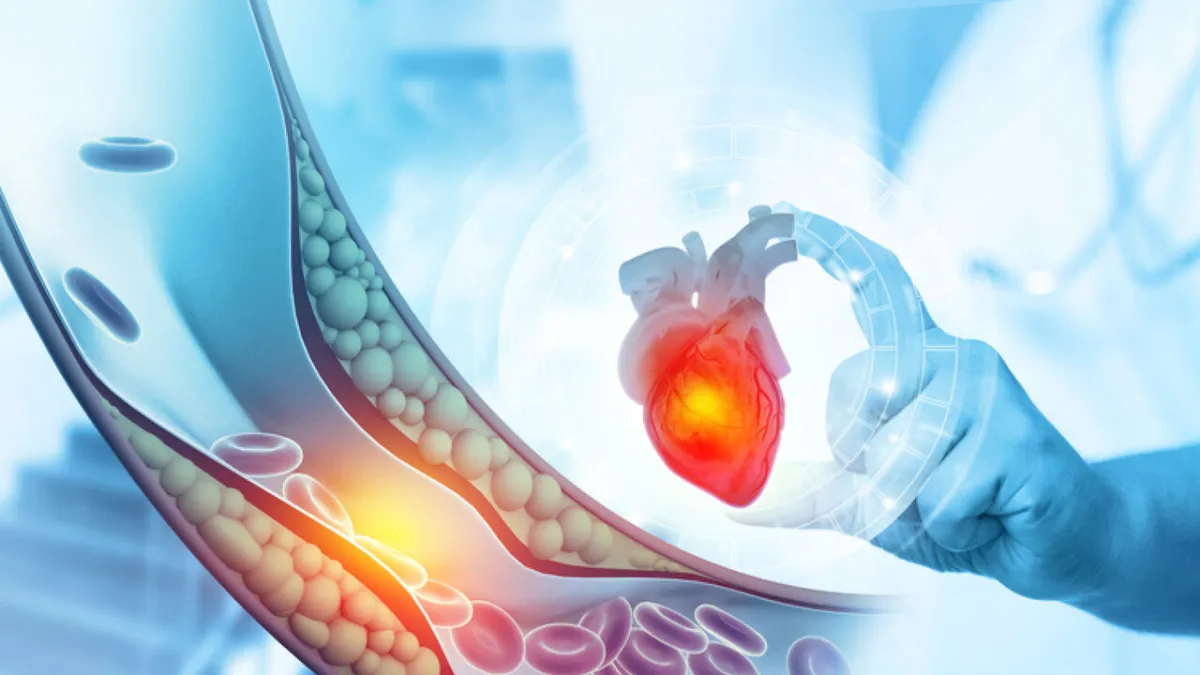
JAKARTA – Five essential steps to maintain cardiovascular health have once again become the primary focus for global health experts in 2026. These efforts are emphasized as a crucial response to the significant increase in heart disease, atherosclerosis, heart attacks, and strokes that continue to loom over the world's population. Controlling risk factors, from lifestyle to a deep understanding of DNA, is the main key in this prevention strategy.
The World Health Organization (WHO) reports that cardiovascular diseases (CVDs) remain the leading cause of death globally, with alarming projected increases in figures this decade. Current data for 2026 indicates that fast-paced urban lifestyles and a lack of preventive awareness exacerbate the situation, demanding a more comprehensive and proactive approach from every individual.
The first vital step is a balanced diet. The consumption of processed foods, high sugar, and saturated fats is proven to be a primary trigger for high cholesterol and blood pressure. Experts recommend a diet rich in fruits, vegetables, whole grains, lean proteins, and healthy fats such as those found in avocados and olive oil. Limiting salt intake and sugary drinks is also crucial.
Secondly, regular physical activity plays an irreplaceable role. Contrary to conventional views, movement does not always have to be in the form of intensive exercise. Brisk walking for at least 30 minutes a day, five times a week, can significantly lower the risk of CVDs. Activities like gardening, taking stairs, or cycling are also highly recommended to improve blood circulation and strengthen heart muscles.
Thirdly, the importance of adequate rest and stress management is often overlooked. Chronic sleep deprivation and high-stress levels can trigger inflammation, increased blood pressure, and hormonal imbalances that negatively impact the heart. Practices like meditation, yoga, or simply taking time for hobbies can help reduce daily stress burdens, ensuring the heart functions more optimally.
Fourth, strict control of medical risk factors is fundamental. This includes routine monitoring of blood pressure, cholesterol levels, and blood sugar. Individuals with a history of hypertension, dyslipidemia, or diabetes need to be disciplined in their medication and medical consultations. Early detection and prompt intervention can prevent serious complications leading to heart attacks or strokes.
Fifth, understanding the role of DNA and genetic screening is now more advanced. Although lifestyle is a primary determinant, genetic factors also influence an individual's susceptibility to CVDs. Through modern genetic tests available in 2026, individuals can identify their genetic predispositions, allowing for more personalized and targeted prevention strategies according to inherited risks.
These five pillars of prevention are not separate entities but rather a mutually supportive ecosystem. Adopting only one aspect will not yield optimal results if other aspects are neglected. A holistic approach that integrates diet, movement, rest, medical control, and genetic understanding is key to prime cardiovascular health.
The credibility of this information is supported by various latest studies and global consensus from the medical community. Implementing these preventive strategies not only reduces the individual health burden but also eases pressure on public healthcare systems that continue to face challenges. Broad public education is crucial for everyone to realize the potential they have to protect their hearts.
Ultimately, the future of global heart health in 2026 heavily depends on collective and individual decisions to change habits. This is a long-term investment that will result in a better quality of life and reduce mortality rates caused by diseases that are actually preventable.
Editorial Insight: The trend of cardiovascular diseases indicates that global society can no longer ignore lifestyle as the foundation of health. With advancements in genetic technology, prevention strategies are now increasingly personalized. Governments and health institutions must continue to invest in public education and access to screening, while encouraging the food industry towards healthier products. The real challenge lies in how to integrate this awareness into concrete actions on a broad scale.