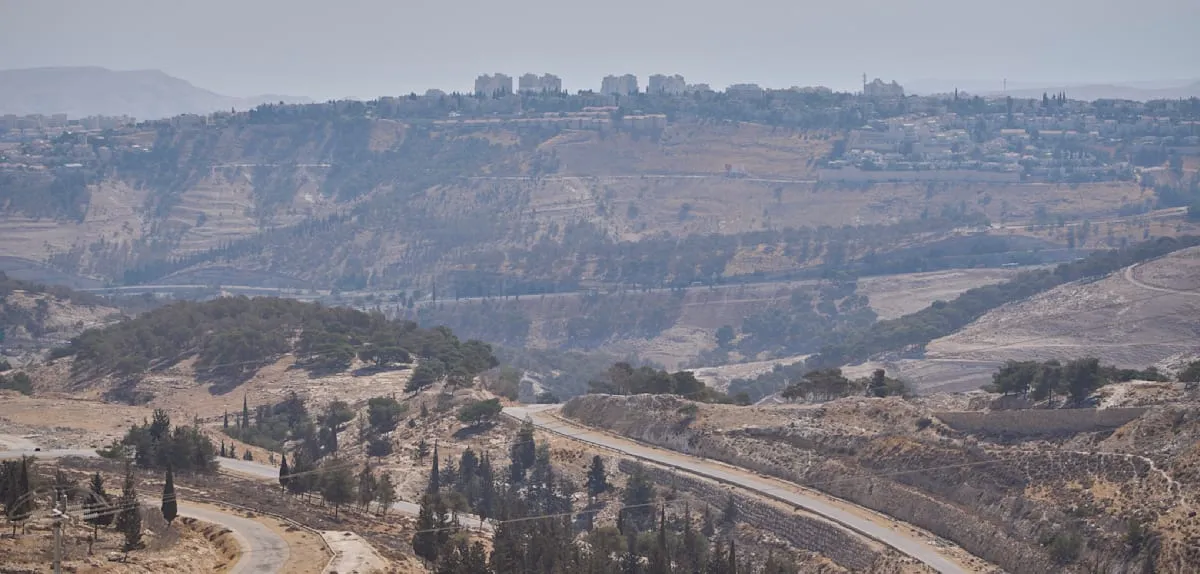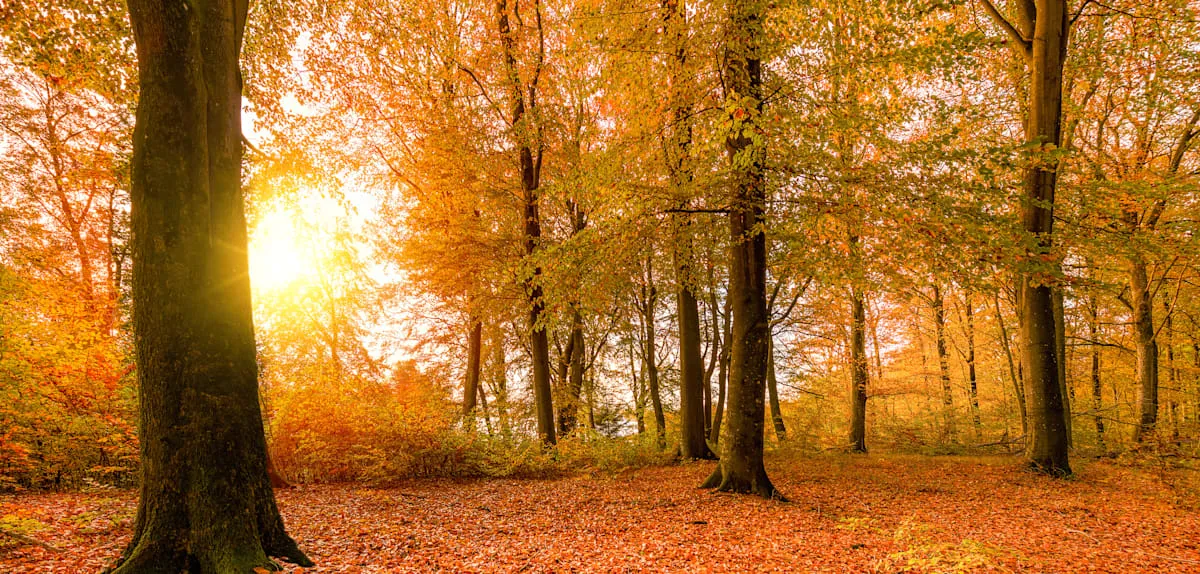
BERLIN – A vast number of trees across various parts of the globe, particularly in Europe, continue to display vibrant hues of yellow, red, and orange towards the end of 2026, a striking anomaly from their natural cycle. This condition has sparked public amazement and serious concern within the scientific community, as leaves would typically have fallen much earlier in the season. The Deutscher Wetterdienst (DWD), Germany's national weather service, has provided a comprehensive explanation for this latest recorded leaf-drop phenomenon in their data history.
This unusual occurrence, observed in the autumn of 2026, is not merely an extended period of beautiful scenery but a tangible indicator of ongoing global climate change. Historical data from the DWD reveals that the vegetation period for trees is progressively lengthening, with growth periods extending beyond their normal limits.
According to DWD's analysis, unseasonably warm autumn temperatures are the primary factor behind the delayed leaf fall. The milder weather allows trees to maintain their photosynthetic functions for longer, postponing the biological signal to shed their leaves.
The process of leaf fall, or abscission, is triggered by a combination of environmental factors such as decreasing temperatures, reduced sunlight intensity, and changes in day length. When one or more of these factors are disrupted, the trees' natural timetable shifts accordingly.
Chlorophyll, the green pigment in leaves, typically breaks down as trees prepare for winter. However, prolonged warm temperatures inhibit this process, keeping chlorophyll active and extending the lifespan of the leaves.
Botanical researchers at various scientific institutions observe that the adaptation of trees to longer growing seasons has long-term consequences. While seemingly benign at first, this shift in cycles can affect entire ecosystems.
For instance, delayed leaf fall can disrupt soil nutrient cycles, impact wildlife that relies on fallen leaves for food or shelter, and alter the reproductive schedules of insects.
The data collected by DWD indicates that the trend of increasingly warmer autumns is not a sporadic event but a consistent pattern observed over recent decades. 2026 merely marks a peak in this intensifying trend, highlighting the crucial importance of climate change mitigation efforts.
Furthermore, this phenomenon has the potential to affect the agricultural and forestry sectors. Irregular growing seasons can lead to uncertainty in crop production and increase the risk of pest or disease outbreaks that typically perish during winter.
This delayed leaf fall in 2026 must serve as a serious reminder to us all about the urgency of collective action in addressing the climate crisis. Governments worldwide, including Indonesia under President Prabowo Subianto, are continually urged to implement more stringent and sustainable environmental policies.
Editorial Insight: The latest leaf fall phenomenon in DWD's recorded history is not merely a weather anecdote but a stark reflection of the increasingly aggressive impacts of climate change. It is an urgent call for us to be more serious about energy transition, ecosystem protection, and adaptation to increasingly unpredictable weather patterns. The future of our planet heavily depends on our swift and collective response.