 Robert Andrison

MILAN – Italy is once again deploying military forces to maintain public order in one of its largest cities. A total of 500 military personnel will soon be stationed in Milan following a troubling wave of violence, a decision made after President Sergio Mattarella unequivocally stated that such acts of violence are 'completely unacceptable.' This troop deployment is a direct response to the escalating insecurity threatening the stability and image of the metropolitan city.
President Mattarella's stern declaration, highlighting the necessity for a 'thorough analysis' of the root causes of this violence, reflects the central government's deep concern. Mattarella has called for a comprehensive investigation into the underlying factors driving the rise in organized crime and street violence that has unsettled Milan's residents.
The wave of violence encompasses an increase in armed robberies, public assaults, and drug-related incidents occurring in several vital districts. Local police acknowledge being overwhelmed by the increasing scale and intensity of crime, necessitating substantial assistance.
Interior Minister, Matteo Salvini, during a press conference in Rome, emphasized that the troop deployment is not an attempt to militarize the city. 'This is a preventive measure and a reinforcement of our law enforcement capabilities. The military will assist in patrolling strategic areas, securing critical facilities, and providing necessary logistical support to the police,' he stated.
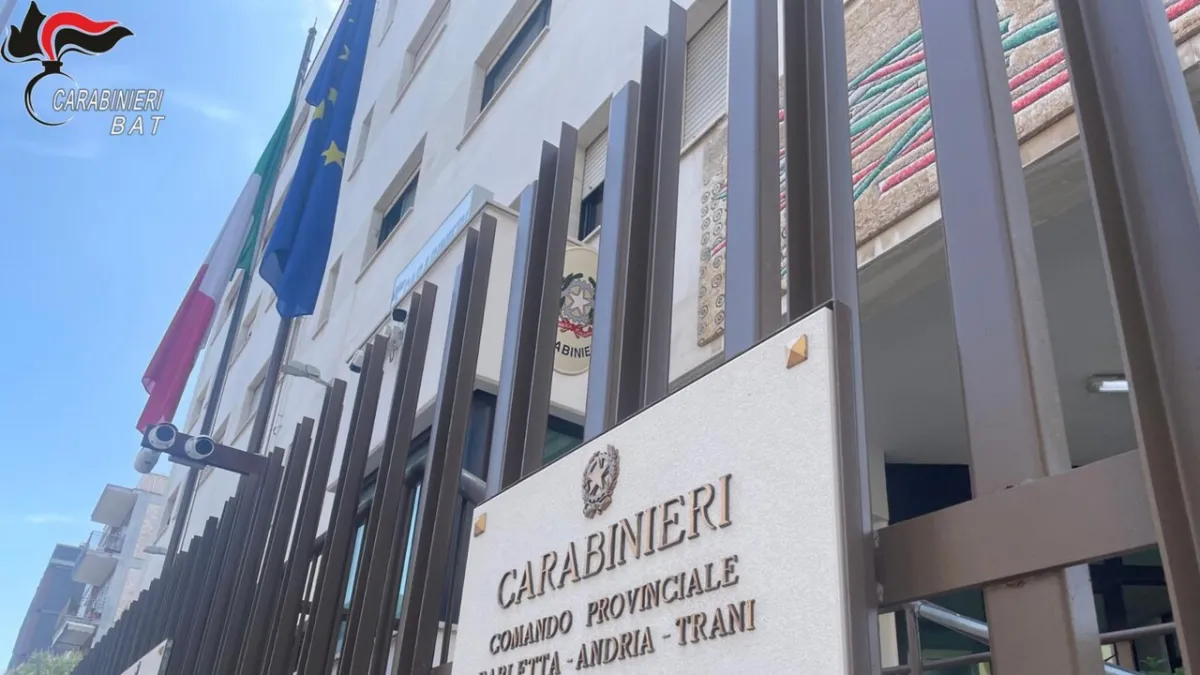
These additional forces will focus on securing major transportation hubs, bustling tourist areas, and districts identified as high-crime zones. They will operate under full coordination with the State Police and Carabinieri, ensuring synergy in maintaining security.
The Lombardy Regional Government, under Governor Attilio Fontana, welcomed the decision but also expressed hope for the prompt formulation of long-term solutions. 'The military presence provides temporary security, but we need to address the underlying social and economic issues that give rise to this violence,' Fontana said in a written statement.
Public reaction to the military deployment has been varied. Some residents expressed relief at the increased security presence, hoping it would reduce crime rates and restore tranquility. However, others voiced concerns about the impact of military presence on civilian life and potential human rights violations.
Historically, military deployment for internal security duties is not new in Italy. Operations like 'Strade Sicure' (Safe Streets) have been implemented multiple times in major cities to address terrorism threats or high crime rates, demonstrating that the government has a precedent for taking such emergency measures.
This move is also seen as an effort to preserve Milan's appeal as a global hub for business, fashion, and tourism. Concerns about the negative impact on the city's economy and reputation were among the primary considerations behind this swift response.
The Italian government now faces a dual challenge: restoring order immediately and devising a long-term strategy to prevent the recurrence of such waves of violence. Dialogue between central and local governments, along with civil society, is expected to yield comprehensive solutions.
The presence of 500 soldiers in Milan is more than just a number; it symbolizes the state's commitment to zero tolerance for violence. It is a firm message that the stability and security of citizens are paramount, as well as a call for all parties to collectively maintain peace.
Editorial Insight: The deployment of military forces to Milan is an emergency measure that highlights the severity of Italy's security crisis. While effective in the short term for curbing violence, sustainable solutions require more than just troop presence. The government needs to conduct thorough investigations into the socio-economic and structural causes of violence, and reinforce law enforcement institutions with adequate resources. Without a holistic approach, military intervention risks becoming a temporary cycle without resolving the root problems.