 Dorry Archiles
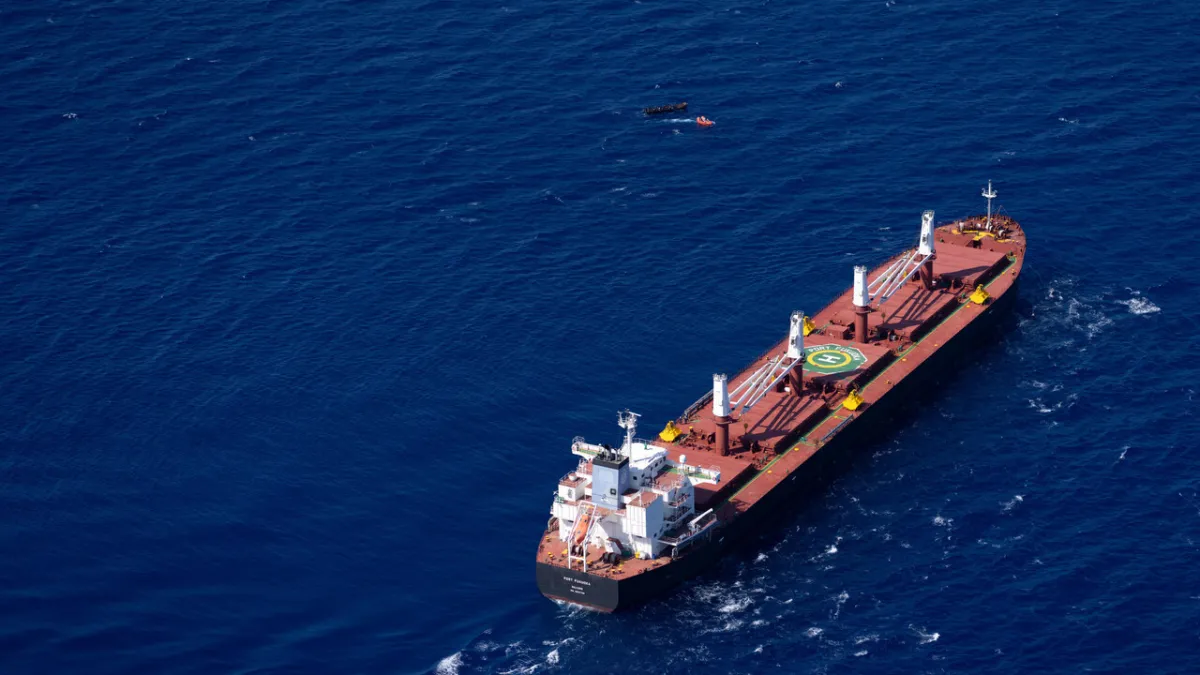
MIDDLE EAST – An artificial intelligence (AI)-generated intelligence report nearly triggered a serious military escalation between the United States and China in the Middle East in 2026. This critical incident, revealed by CNN, involved the readiness of American military personnel and fighter jets to intervene against a Chinese vessel, highlighting the unforeseen risks of reliance on AI technology in sensitive strategic decision-making.
The event drew sharp attention after information from the AI report indicated a threat requiring rapid response. Although specific details regarding the AI report's content remain classified, internal sources confirmed that the system's data interpretation led US command centers to issue a high alert order.
The United States military, including personnel and air assets such as fighter jets, had prepared to launch operations. The readiness to intervene against the Chinese vessel in these strategic waters demonstrates how close the world came to a major potential conflict triggered by algorithmic error or bias.
CNN reported that the tense situation was defused after re-verification by human intelligence analysts found inaccuracies or over-interpretations in the AI-generated report. This manual verification process was crucial in preventing a fatal miscalculation.
This incident underscores global concerns about the role of artificial intelligence in military and national security domains. Over-reliance on AI that is not fully understood or lacks adequate human oversight can lead to unexpected geopolitical consequences and destabilization.
The Middle East, known as one of the world's geopolitical flashpoints, became the critical location for this incident. The presence of Chinese vessels there is already part of a global struggle for influence, meaning any incident, no matter how minor, has the potential to spark broader tensions.
US President Donald Trump, who resumed office in 2026, faces significant challenges in managing global tensions and advancements in military technology. This incident is expected to prompt his administration to review protocols for AI use in intelligence and military operations.
The impact of this incident is likely to spill over into international discussions about the need for stricter regulations on the development and application of AI in the context of warfare. Various countries, including major powers like Russia, are also investing heavily in AI military technology, as reflected in reports about Russia's 2026 wartime legislative elections and G7 concerns over global aggression, G7's emergency meeting facing Russian aggression in 2026.
The debate over whether AI systems should have the authority to make autonomous decisions in armed conflict is becoming increasingly urgent. This incident in the Middle East serves as tangible proof that without robust human control, the potential for rapid and uncontrolled escalation is a very real threat.
Editorial Insight: This incident is a stark warning about the limits and inherent dangers of artificial intelligence in the military domain. While AI offers potential for efficiency and speed in analysis, its ability to interpret geopolitical nuances and adversary intentions is far from perfect. The world must not allow mere algorithms to decide the fate of peace or war. A global consensus is needed to establish ethics, boundaries, and strict oversight mechanisms for AI in autonomous weapon systems and strategic intelligence. Failure to do so risks creating a new era of conflict triggered by machines, no longer solely by humans.