 Chris Robert
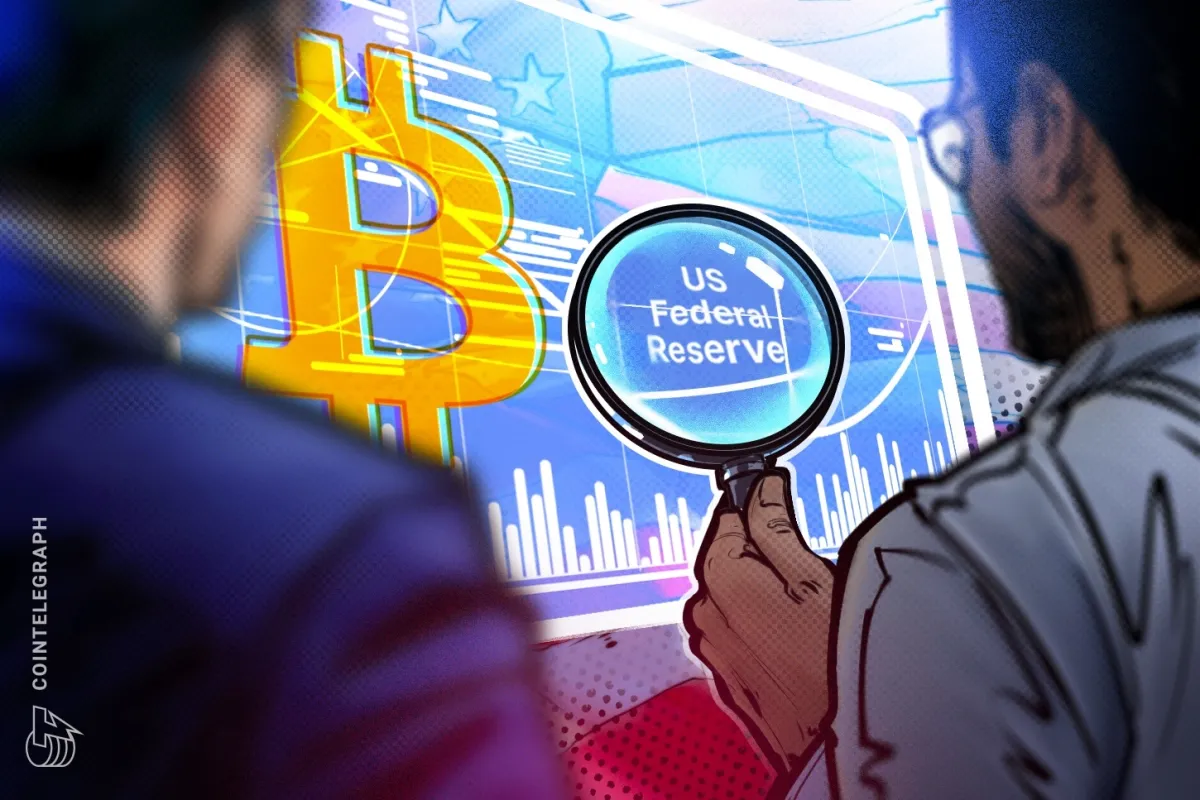
WASHINGTON – The pace of inflation in the United States once again exceeded market projections in October 2026, fueling increasingly strong speculation regarding a potential, more drastic benchmark interest rate hike by the Federal Reserve (The Fed) at its December meeting. This latest data has shaken global market sentiment, particularly in the digital asset sector.
The release of this inflation data indicates that price pressures are far from easing, even after a series of monetary tightening policies implemented by the US central bank throughout the year. Persistent inflation raises doubts about the effectiveness of measures already taken and reinforces the narrative for further intervention.
Economists and financial analysts now widely project that The Fed will likely raise interest rates by half a percentage point in December 2026. This figure is higher than previous expectations, which leaned towards a quarter-point hike, reflecting a response to the surprising inflation data.
The implications of this more aggressive monetary policy are highly significant. Substantial interest rate hikes tend to slow economic growth, increase borrowing costs for consumers and businesses, and potentially trigger a recession. Stock markets respond with volatility, while bond markets show turmoil.
The crypto asset sector, known for its high sensitivity to changes in monetary policy, feels the direct impact of this sentiment. Crypto investors face the prospect of shrinking liquidity and diminishing risk appetite, leading many digital assets to experience selling pressure.
According to several economic experts, this inflation surge is not only due to domestic factors but also to global geopolitical uncertainties and supply chain disruptions that have not fully recovered. Energy and food prices remain major contributors to the consumer price index.
The Fed Chair, Jerome Powell, has repeatedly affirmed the central bank's commitment to controlling inflation, even if it means taking unpopular measures. His statements indicate that the fight against inflation is not over and that price stability remains the top priority.
The still-fragile global economic conditions add complexity to this situation. Other countries are also grappling with inflation and interest rate hikes, creating a domino effect that could worsen the global economic slowdown. The Fed's decisions will be closely watched by central banks worldwide.
For investors, especially those in crypto and high-risk asset markets, this period demands extra caution. Investment strategies need to be adapted to the environment of high interest rates and the looming potential for an economic slowdown.
This situation harks back to earlier in the year when the Fed faced similar pressures. A previous article, US Inflation Surges, The Fed Threatens Drastic Rate Hike 2026, already highlighted this potential threat.
The prospect of a significant rate hike in December places The Fed in a difficult position: balancing efforts to control inflation and avoiding an economic hard landing (rescession). The decisions made will shape the trajectory of the US and global economies in early 2027.
Editorial Insight: The October 2026 inflation surge in the US is a major blow to the narrative of monetary easing. The Fed is now at a crossroads, where the choice between price stability and economic growth is increasingly narrow. An aggressive interest rate hike in December 2026 is an inevitability, but its impact on the real economy and asset markets, including crypto, needs to be closely monitored. President Donald Trump's administration in the United States will face significant economic challenges leading up to the upcoming midterm elections.