 Angela Stefani

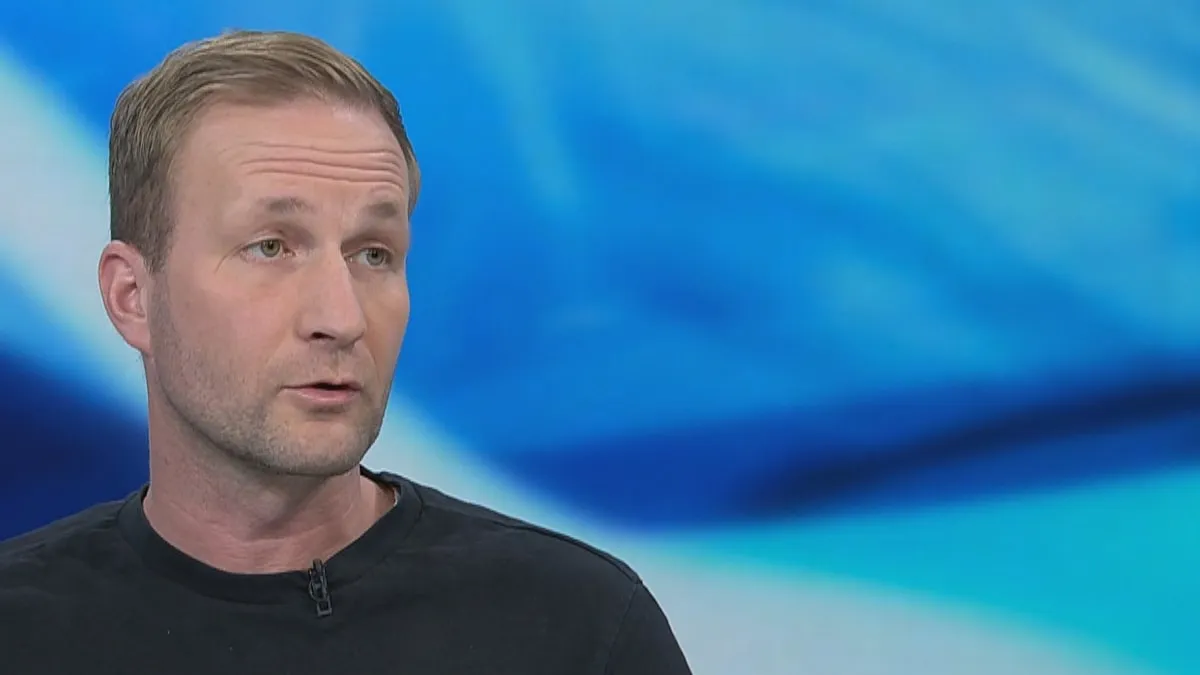
BERLIN – The Head of the German Police Union, Manuel Ostermann, voiced deep concern. He believes left-wing extremist groups are behind the escalation of Generation Z (Gen Z) protests that occurred last night in several German cities. These incidents, according to Ostermann, are the beginning of a 'bitter end' if not addressed seriously by the government.
Ostermann's strong statement came after a series of demonstrations that turned violent, causing chaos and public damage. Although the initial motives of Gen Z protests vary, from climate issues to social justice, the observed escalation of violence is strongly suspected of being exploited by radical elements.
The images from last night are just the beginning of a very bitter end, Ostermann stated in an interview. He highlighted a new pattern in the protests, which he believes have been infiltrated by extremist political agendas, turning peaceful aspirations into a platform for confrontation.
The German police observed an increase in provocative and confrontational tactics that differed from previous Gen Z protests. This fuels strong suspicion of involvement by organized groups aiming to manipulate youth movements for their radical objectives.
Ostermann emphasized the latent danger of radicalization threatening the younger generation. He underscored the importance of early education and prevention to ensure young people do not easily fall into the ideology of violence espoused by extremist groups.
Responding to this critical situation, Ostermann urged German politicians and policymakers to take comprehensive steps to combat all forms of extremism, both from the left and the right. He demands a holistic approach involving law enforcement, education, and social dialogue.
Escalation of protests marked by violence is not a new phenomenon in Germany. Previously, riots broke out in Hamburg, leading to hundreds of arrests, demonstrating society's vulnerability to agitation.
The threat of radicalization, especially among Gen Z, poses a significant challenge to Germany's social and political stability. Extremist groups often exploit dissatisfaction or youthful idealism to spread their narratives and recruit new members.
The German government is now faced with a dilemma between respecting the right to protest and maintaining public order. This balance is key in responding to incidents that could potentially divide society.
Political sociology experts also voiced similar concerns, warning that without a comprehensive strategy, the seeds of extremism could flourish, eroding the foundations of democracy.
Proactive measures from the government, security forces, and educational institutions are urgently needed to stem the tide of radicalization. Building resilience among Gen Z against extremist propaganda is a long-term investment for Germany's future.
Berlin's political dynamics are also under scrutiny, particularly how parties with different ideological spectra will respond to this call. The existing coalition needs to demonstrate unity in confronting the threat of extremism.
Editorial Insight: The statement from the Head of the German Police Union is not merely a warning but a serious alarm for the nation's stability. Identifying left-wing extremists as the masterminds behind the escalation of Gen Z protests indicates a systematic effort to hijack social movements with a violent agenda. Without a swift and coordinated political response, the potential for mass radicalization, especially among youth, could threaten social cohesion and trigger a broader security crisis in Germany. The government must immediately formulate a comprehensive counter-strategy involving all stakeholders, from law enforcement to communities, before a 'bitter end' truly materializes.