 Robert Andrison
TIRANA – A wave of student demonstrations in Albania has escalated into significant violence, prompting Prime Minister Edi Rama to issue serious accusations regarding the involvement of 'foreign hands' behind the unrest. The students, who initially voiced demands for improved education conditions, are now also calling for his cabinet's resignation, exacerbating the political crisis in the Balkan nation.
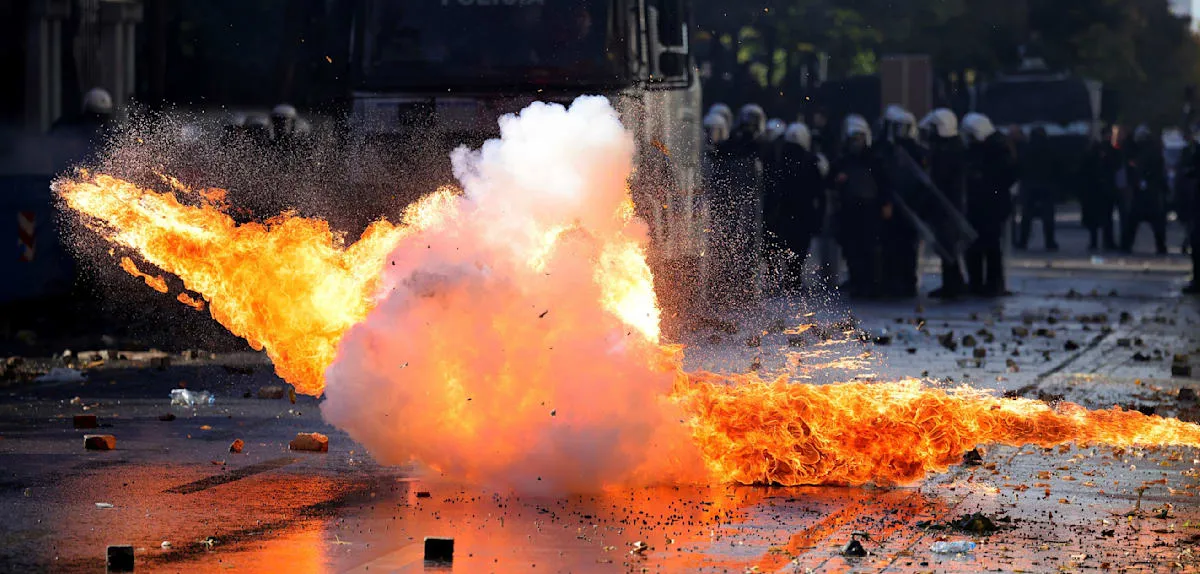
This incident marks an escalation of long-simmering public discontent, particularly among Albania's youth. The protests, which began peacefully in several major cities, including the capital Tirana, quickly turned into direct confrontations with security forces, causing damage to public facilities and injuring several individuals.
Prime Minister Rama, in a statement broadcast on national television, asserted that there was a systematic effort by external entities to destabilize the government and disrupt national stability. We see an organized pattern, not merely spontaneity. This is an agenda funded and directed by outside forces that wish to see Albania falter, Rama stated without specifically naming the parties he referred to.
Accusations of 'foreign hands' are not new in Albanian political rhetoric, often surfacing during periods of social or political upheaval. However, this time, the statement has fueled intense debate about who truly benefits from this unstable situation and what their motives might be.
On the other hand, student representatives vehemently rejected these accusations. They affirmed that their movement stems purely from legitimate internal grievances. Their primary demands include:
- Reduction of tuition fees and improvement of academic facilities.
- Transparency in university budgets.
- Resignation of the Minister of Education and other cabinet members deemed to have failed.
This movement unites various student groups with a single voice, highlighting structural problems within Albania's education system.
The demonstrators have repeatedly communicated that the government has failed to provide a better future for the country's youth. High unemployment rates and bleak economic prospects have further fueled public anger, making education issues a catalyst for broader political demands.
The violence during the protests, including the burning of several vehicles and clashes with riot police, has raised serious concerns in the international community. Several human rights organizations have called for independent investigations into the violent incidents, urging all parties to exercise restraint and seek peaceful resolutions.
Although the government claims to have attempted to open channels for dialogue, students insist that dialogue will only occur if their core demands are taken seriously, particularly regarding the resignation of relevant officials. This situation indicates a stalemate requiring a more in-depth diplomatic approach.
Albanian political history has often been marked by mass demonstrations and public dissatisfaction with government performance. However, the intensity and accusations of external interference this time add complexity to the ongoing crisis, potentially dragging the country into a deeper spiral of uncertainty.
Prime Minister Rama's accusations could be an attempt to deflect attention from the internal root causes fueling the protests. Economic and social conditions, not fully recovered from the pandemic's impact and global instability, are suspected to be primary drivers of popular anger. Widespread protests due to the cost of living are also observed in various European countries, indicating a similar trend that warrants attention.
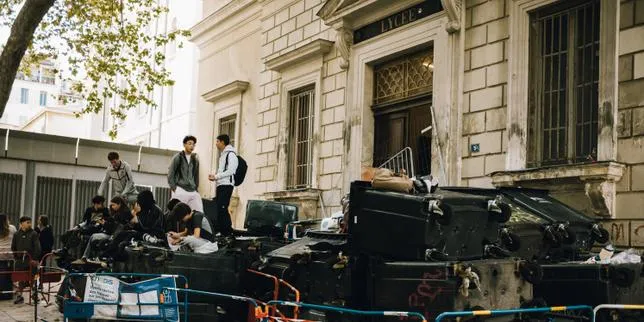
A similar situation in Milan turning violent, and reports of protests in France leading to mass arrests, confirm that this phenomenon of public discontent is not exclusive to Albania. The global community faces similar challenges related to economy, inflation, and demands for better governance.
Editorial Insight: Prime Minister Rama's accusations of 'foreign hands,' while provocative, must be substantiated with strong evidence to avoid a narrative of deflection. The primary focus should remain on addressing the root issues underlying the student protests rather than seeking external scapegoats. If the government fails to address internal demands, Albania's future political stability could face severe challenges, potentially even threatening regional integration in the Balkans.