 Gabriella
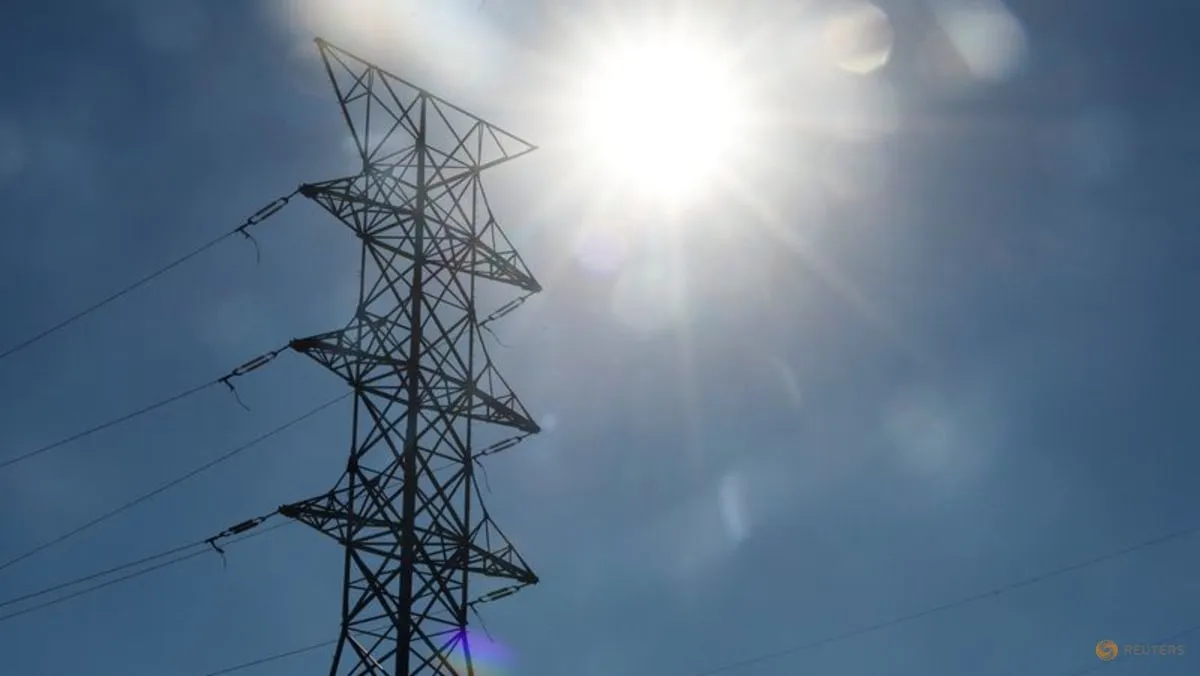
WASHINGTON – The United States stands on the cusp of an unprecedented surge in energy consumption, with electricity demand projected to hit record highs in 2026 and 2027. The U.S. Energy Information Administration (EIA) reports that the primary drivers of this phenomenon are the massive expansion of artificial intelligence (AI) technology and the growth of energy-intensive data centers across the nation.
The latest EIA report indicates that power requirements will surpass historical peaks, creating both challenges and opportunities for the energy sector. This projection underscores a fundamental transformation in the global energy landscape, where technological innovation is shaping consumption patterns.
Power demand is anticipated to increase significantly, particularly in the commercial and industrial sectors that form the backbone of data center operations and energy-intensive AI computing facilities. This paradigm shift necessitates adjustments in energy supply and distribution strategies to maintain stability.
central factor behind this surge is the proliferation of high-capacity data centers. These facilities require colossal amounts of energy to operate servers, cooling systems, and other supporting infrastructure essential for intensive AI workloads.
The EIA highlights that AI usage, ranging from large language models to predictive computing, demands significantly more computing power than traditional software applications. This condition directly correlates with a continuous increase in the need for electricity supply.
Dr. Amelia Thorne, a senior analyst at the EIA, stated in a press release, We are witnessing an inflection point where AI-driven power consumption begins to show macroeconomic impact. This is not merely a transient trend; it is a fundamental restructuring of our energy demand.
The implications of this projection extend to various sectors, from energy infrastructure planning to environmental policy. The U.S. government and utility companies must prepare for a significant additional load on existing electricity grids.
Several states, particularly those serving as primary locations for data centers, will experience the greatest pressure. Texas, Virginia, and Arizona are among the regions projected to see the fastest growth in electricity demand, driving new investments in power generation and transmission.
The development of renewable energy sources, such as solar and wind power, is expected to be a crucial part of the solution. However, the capacity and intermittency of renewables remain challenges in meeting the constant, high power needs of AI data centers.
Amid soaring energy demands, energy efficiency in data center operations becomes critical. Innovations in liquid cooling and more power-efficient chip architectures, as advocated by global semiconductor companies, could help curb the rate of consumption growth.
This situation also sparks deep discussions about national energy policy under President Donald Trumps administration, especially regarding subsidies and incentives for building greener and more resilient energy infrastructure.
The threat to grid stability and potential increases in energy tariffs for consumers are real concerns. Therefore, a holistic approach is required, encompassing resource diversification, efficiency improvements, and grid modernization.
The relationship between AI growth and chip infrastructure needs is becoming increasingly intertwined. As discussed in another article, Infineon Urges Global Collaboration, Chip Capacity Cannot Stand Alone 2026, the availability and efficiency of chips are key to sustaining the power-hungry wave of AI innovation.
Furthermore, the impact of AI extends beyond electricity consumption to future software and operating system innovations. This trend aligns with the report Cyanogen Founder Rocks Windows: Kora Set to Dominate the AI Era, highlighting how AI will transform our interaction with technology.
Editorial Insight: The surge in electricity demand due to AI is a double-edged sword. On one hand, it indicates rapid technological advancement and economic growth. On the other, it strains existing energy infrastructure and accelerates the urgency of transitioning to more sustainable resources. Governments and industries must collaborate closely to ensure adequate energy supply without compromising environmental targets, while mitigating the potential economic and social impacts of rising electricity prices.