 Debby Wijaya
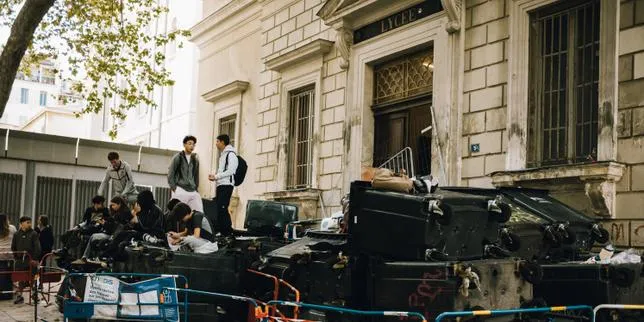
PARIS – Over a month and a half of widespread high school student mobilization in France has ignited serious concerns for their educational future. These protests, centered on demands for educational reform, now threaten national exam preparations, first-trimester grades, and the crucial Parcoursup university application process for thousands of students across the country in 2026.
The actions, involving blockades and closures of several educational institutions, have significantly disrupted class hours and academic curricula. Many students are questioning how the lost days, or even weeks, will affect their performance in critical evaluations that determine their next educational level.
This situation has caused a widespread wave of anxiety among final-year students, parents, and teachers. They worry that the interruptions not only reduce effective study time but also create inequality among students, especially those whose learning facilities are more severely affected than others.
A representative of a national student union, who chose to remain anonymous to protect their identity, stated, We have the right to express our aspirations, but we are also very concerned about the impact on the BAC (Baccalaureat) exams and university admissions. A solution must be found immediately.
The French Ministry of National Education now faces immense pressure to devise an emergency plan. Debates regarding potential adjustments to the exam calendar or curriculum are now central issues dominating public and political discussions.
National exam preparation, particularly for the BAC, is a critical pillar of the French education system. Any disruption can have widespread ripple effects, not only on individual student results but also on the credibility of the national evaluation system as a whole.
Some schools have attempted to adapt with online learning or self-study materials, but their effectiveness varies greatly. Limited internet access, devices, and conducive learning environments pose barriers for many students from less privileged families.
Initial data indicates a decrease in classroom attendance and student engagement in areas most affected by the protests. This suggests a widening academic gap between students who can continue learning relatively normally and those forced to be absent or learn suboptimally.
Concerns about first-trimester grades are also a focal point. With a lack of formal teaching material and evaluations, many students feel their grades do not represent their true abilities, potentially disadvantaging them in the competitive university admissions process.
Parcoursup, the competitive university application platform, heavily relies on students academic records, including grades and teacher recommendations. Disruptions to the assessment process could jeopardize the prospects of thousands of prospective students being accepted into their desired study programs.
Parent associations are urging the government to consider a moratorium or adjustment to Parcoursup evaluation criteria for 2026. Our children should not be victims of a situation beyond their control, said a mother from Marseille.
The French government, through the Minister of National Education, pledged in a statement to ensure equality and fairness for all students. A special team has been formed to evaluate the impact of the protests and formulate comprehensive mitigation measures.
Measures being considered include:
- Temporary postponement of Parcoursup application deadlines.
- Special allowances in first-trimester grade assessments.
- Provision of additional online or in-person tutoring once protests subside.
- Intensive dialogue with student representatives and education unions.
This situation adds to the complexity of post-pandemic educational challenges, highlighting the system's fragility and the need for a swift and adaptive response from authorities. Society awaits concrete decisions that can restore calm and certainty for France's young generation.
Editorial Insight: This academic crisis in France is not just about school blockades; it is a test of the government's capacity to respond to social demands while protecting the future of education. Prolonged uncertainty can lead to long-term consequences, creating deeper social inequalities and eroding public trust in educational institutions. Fair and transparent solutions are key to preventing more severe impacts on the 2026 student cohort and overall social stability.