 Angela Stefani
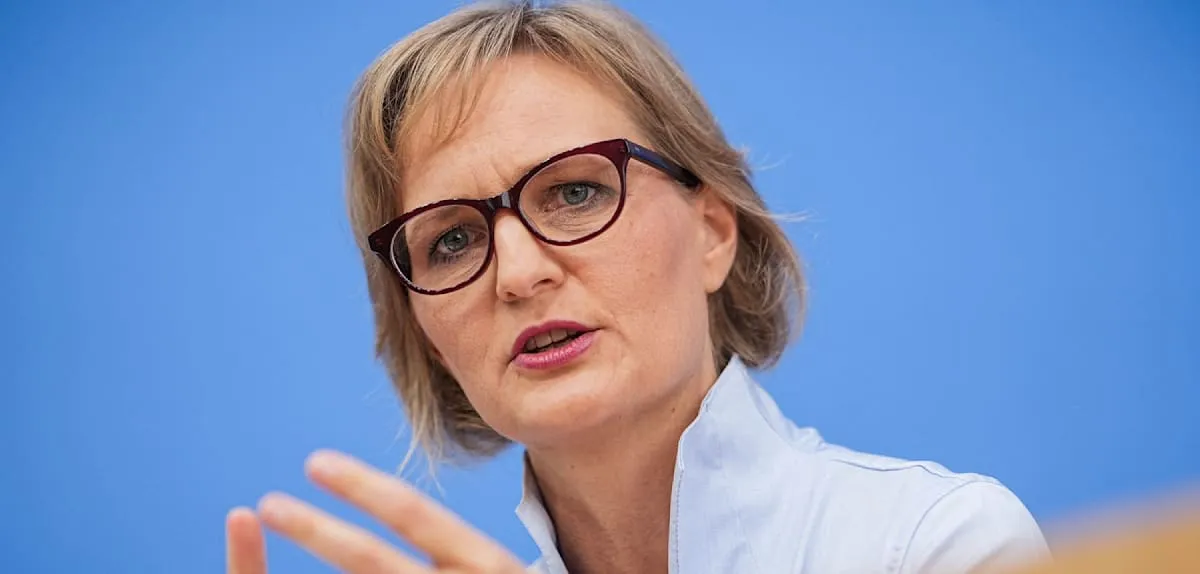
BERLIN – German Green Party leader, Franziska Brantner, expressed deep understanding and solidarity with the fear experienced by Berlin Left Party politician, Elif Eralp, following a series of extremist threats targeting her. This statement emerges amidst increasing concerns over the safety of public officials and the integrity of democratic processes in Germany in 2026. Brantner urged the government to take concrete and decisive action to combat extremist structures threatening the foundations of society.
Eralp, a vocal figure from the Left Party in Berlin, has been subjected to various forms of intimidation, raising serious concerns for her and her family's safety. These threats not only highlight the vulnerability of individual politicians but also trigger a national discourse on the extent to which radical groups have permeated Germany's socio-political order.
In an official statement, Brantner affirmed that Elif Eralp's fear is absolutely understandable. She emphasized the importance for political leaders to stand together in the face of such pressure. As a democratic society, we must not allow threats and intimidation to silence critical voices or hinder legitimate political work, Brantner stated.
Brantner specifically demanded consequent action against extremist structures. This call underscores the urgency for law enforcement and intelligence agencies to be more active in identifying, dismantling, and prosecuting groups that spread hatred and violence. The focus is on impartial law enforcement and effective prevention.
Eralp's situation adds to a long list of incidents demonstrating the vulnerability of politicians in Germany. Previously, issues concerning radical networks in Berlin threatening democracy also came to light, creating a climate of political tension. Extremist groups, from both the right and left spectrums, continue to pose a serious challenge to the country's stability.
This event also reminds the public of other cases involving Left Party politicians. For instance, concerns arose regarding pressure from Palestinian solidarity circles that sparked fear, or reports that Hamas sympathizers posed a serious threat to democracy in the capital. The threats faced by Eralp are believed to originate from a similar spectrum.
The federal government in Berlin has pledged to intensify efforts to combat extremism in all its forms. However, critics argue that the existing response remains inadequate. The protection of politicians and activists who bravely voice their opinions must be a top priority to safeguard freedom of expression.
Threats against politicians like Elif Eralp potentially hinder political participation and undermine the spirit of democracy. When individuals feel threatened because of their views, the space for open dialogue and constructive debate narrows, paving the way for greater polarization and extremism.
This crisis demands cross-party unity and a shared commitment to protecting constitutional values. Combating extremism is not only the government's duty but also the responsibility of all societal elements, from educational institutions to the mass media, to instill tolerance and respect for differing views.
Editorial Insight: The incident involving Elif Eralp serves as a loud alarm for Germany's political landscape. Threats against politicians are not merely personal attacks; they are assaults on the very foundations of democracy. A weak or delayed state response can set a dangerous precedent, encouraging more individuals to withdraw from the public arena. Franziska Brantner's courage in voicing support not only affirms solidarity but also emphasizes the urgency of concrete actions to ensure that healthy politics can thrive without the shadow of fear. The biggest challenge is how the government can balance freedom of expression with the need to suppress hate speech and extremist organizations without eroding civil rights.