 Debby Wijaya
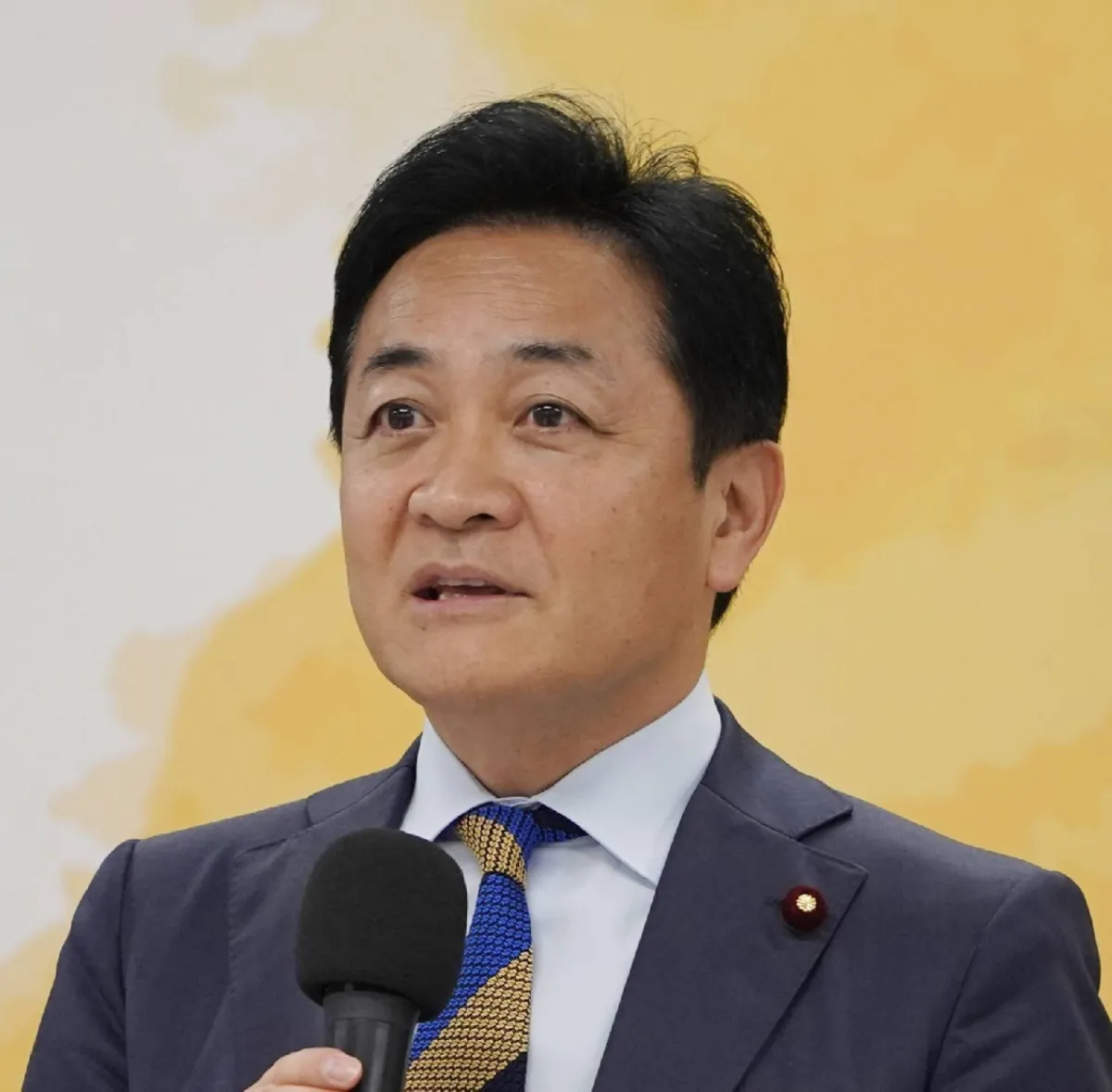
TOKYO – Japan's main opposition party, the Democratic Party for the People (DPP), has firmly rejected the food tax cut bill in its current form. DPP leader Yuichiro Tamaki indicated that his party's support for this crucial legislation hinges entirely on the ruling coalition's willingness to accept their alternative proposal. This political tension emerged in the Japanese parliament in 2026, potentially leading to a legislative deadlock that could impede government efforts to address the public's economic burden.
Tamaki's statement comes amidst a fierce debate over fiscal policy and inflation mitigation efforts that are burdening households across Japan. The food tax cut bill is touted as one of the government's solutions to alleviate the cost of living, especially for vulnerable groups most affected by rising staple food prices.
However, the DPP perceives flaws and inequities in the draft bill put forward by the ruling coalition. They argue that the government's proposal is not comprehensive enough or may not effectively address the root causes of economic hardship. Therefore, the DPP has formulated a counter-proposal considered more holistic and equitable for all segments of Japanese society.
We cannot support this bill if it does not reflect the real needs of the Japanese people, Tamaki asserted during a press conference at the Parliament Building, referring to his party's dissatisfaction with the existing policy formulation. Our support is entirely conditional on the acceptance of our alternative proposal, which aims for equitable benefits and policy effectiveness.
This situation places the ruling coalition in a difficult position. They need the opposition's support, or at least some factions within it, to pass this vital legislation for its prompt implementation. Rejection from the DPP could delay the legislative process or even derail it altogether, exacerbating economic uncertainty.
The DPP's alternative proposal, the details of which have not been fully disclosed, is believed to include a broader tax incentive scheme or a more targeted subsidy mechanism. The party aims to ensure that any food tax cut genuinely has a significant impact on consumers, rather than being a temporary, piecemeal solution.
This disagreement also highlights the differing economic philosophies between the ruling coalition and the DPP. The coalition tends towards a more gradual approach, while the DPP advocates for deeper structural reforms to address issues of public purchasing power and wealth distribution.
Political analysts view Tamaki's move as a strategic maneuver to assert the DPP's position as a relevant political force and to exert significant pressure on the government. This is not merely about food taxes, but also about the struggle for influence in the legislative arena and public perception ahead of upcoming general elections.
With 2026 progressing, time is of the essence for the government to respond to the opposition's demands. Failure to reach a consensus could spark public disappointment and provide ammunition for opposition parties to criticize the ruling coalition's effectiveness in managing national economic challenges.
Editorial Insight: The deadlock over Japan's food tax bill reflects the complex political dynamics between public needs, party strategies, and the government's ability to forge consensus. The DPP's firm rejection, despite its risks, underscores the importance of accountability and the representation of opposition voices in the legislative process. Should the ruling coalition fail to demonstrate flexibility, this issue could become a crucial turning point affecting political stability and public trust in the government's capacity to combat inflation in 2026.