 Stefani Rindus
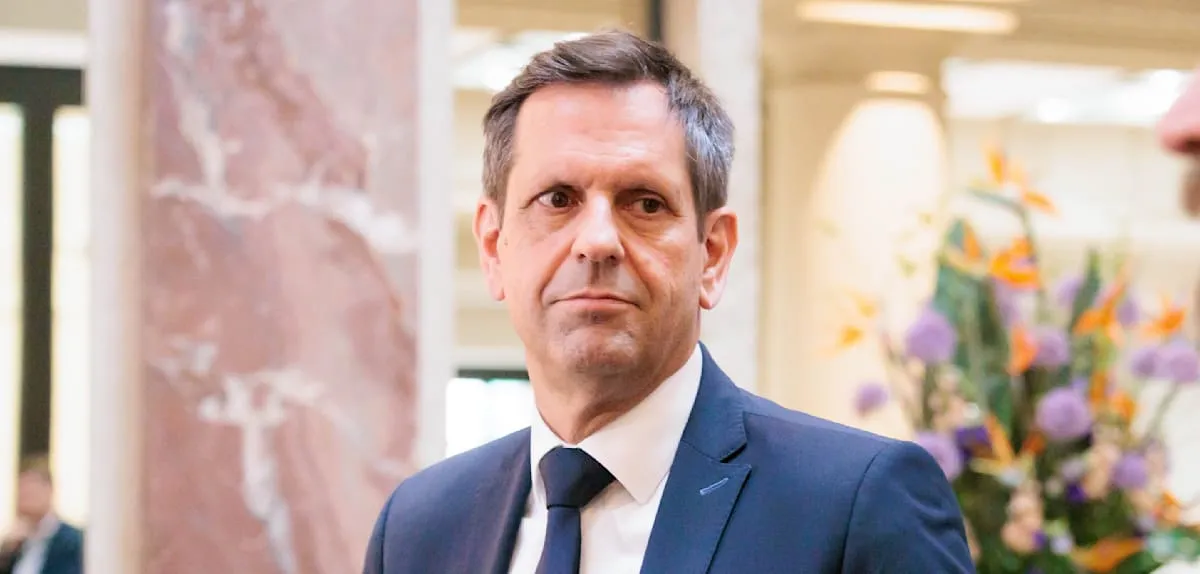
HANNOVER – Niedersachsen's State Premier, Olaf Lies, has issued a stark warning to the Social Democratic Party (SPD) leadership, urging them to avoid internal squabbling that could jeopardize the party's prospects ahead of crucial state elections. This statement comes amid increasing pressure and tension in the race for the SPD chairmanship, marking a pivotal moment for the political direction of one of Germany's oldest parties.
Lies, a senior figure in German politics, explicitly expressed his concern that an excessive focus on internal dynamics would divert the party's attention from substantive issues facing the public. According to him, self-occupation in power struggles would only weaken the SPD's position in the eyes of voters, precisely when unity and a clear vision are desperately needed.
This situation adds to the complexity of the SPD's ongoing internal political dynamics. Several factions within the party are believed to be preparing strategic maneuvers to secure top positions, creating an intense but risky atmosphere of competition. Lies emphasized that the energy drained by internal conflicts should be allocated to developing relevant platforms and addressing society's socio-economic challenges.
In fact, Lies' warning is not merely an internal reprimand. It reflects broader concerns among party leaders regarding the SPD's ability to maintain its relevance and competitiveness in the German political arena. Furthermore, with state elections approaching, a poor showing could have a domino effect on the SPD's national strength.
The heightened internal tensions within the SPD could potentially benefit rival parties. The Christian Democratic Union (CDU), the Greens, and the Alternative for Germany (AfD) are constantly looking for opportunities to strengthen their positions. A recent survey in the state of North Rhine-Westphalia showed that the CDU held its ground, while the Greens and AfD saw a surge in popularity ahead of the 2026 elections. Read more about the political dynamics in NRW.
Lies called on the SPD leadership to immediately consolidate its ranks and present a united front to the public. He argued that only through solid unity can the SPD effectively communicate its messages and prove its capability to lead, rather than getting caught in a vortex of political intrigue.
We cannot afford to get bogged down in internal disputes when the German people face so many challenges, Lies reportedly stated. Our focus must be on real solutions for citizens, not on the scramble for positions.
This statement serves as an alarm call for the aspiring chair candidates and warring factions, reminding them of stakes far greater than mere personal power. The party's reputation, the future of social democratic policies, and voter trust all depend on how they respond to this call for unity.
Historically, the SPD has a long record of navigating leadership crises and internal reforms. However, every episode of internal conflict has always left its mark, often impacting electoral gains. The year 2026 will be decisive in determining whether the SPD can learn from its past or repeat the same mistakes.
The decisions of the SPD leaders in the coming months will be crucial in determining whether the party can emerge as a cohesive and effective political force, or instead get bogged down in a prolonged labyrinth of disagreements. The time for constructive introspection has arrived, say some observers, but it must be swiftly followed by tangible action.
Editorial Insight: Olaf Lies' warning is not an empty threat. As an influential voice within the SPD, his statement highlights the real danger of internal fragmentation that could erode the party's foundations amidst Germany's increasingly competitive political landscape. If the SPD fails to respond wisely and prioritize unity, the risk of losing electoral appeal in state elections and even on the national stage in 2026 will significantly increase, paving the way for other parties to fill the leadership vacuum. This is a call for strategy and discipline, not just a caution.