 Chandra Wijayanto
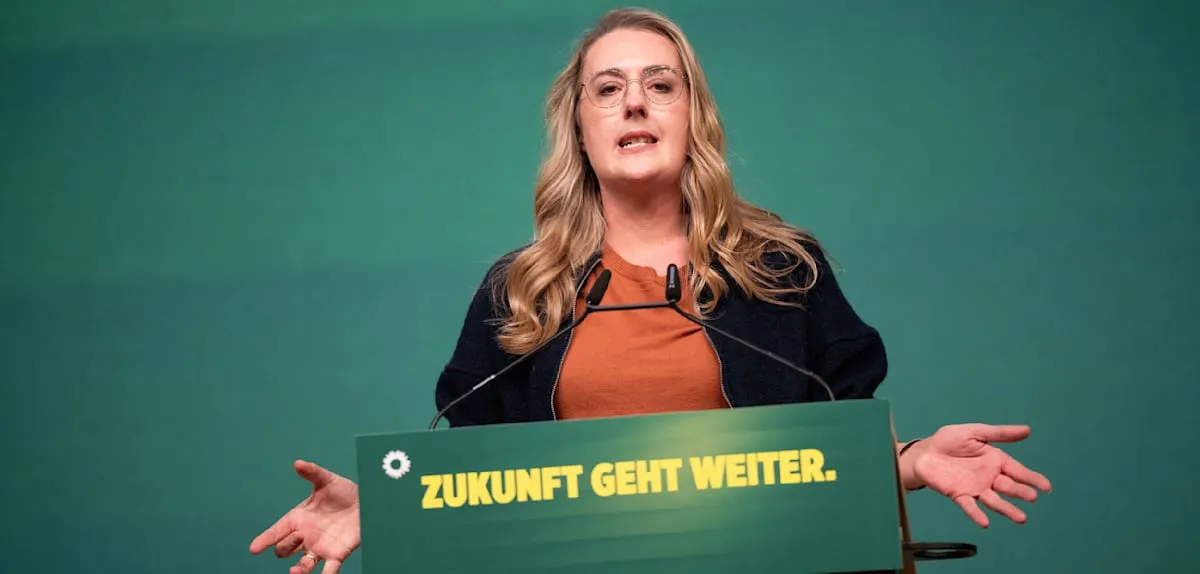
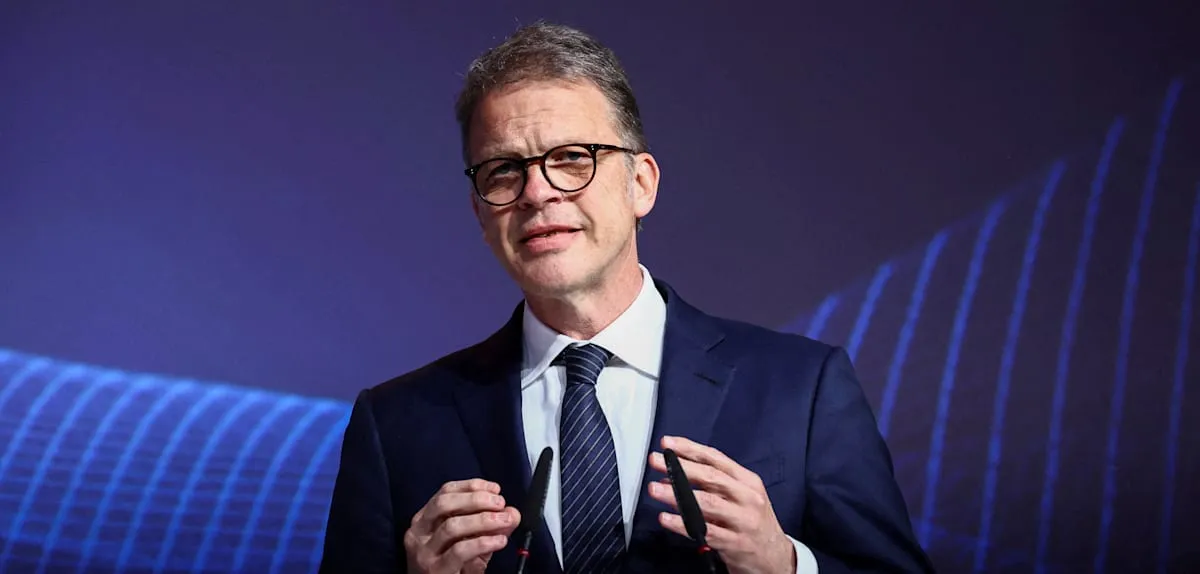
BERLIN – Political tensions in Germany escalated when Katharina Droge, co-leader of the Green Party faction in the Bundestag, launched a sharp critique against Friedrich Merz, the Chairman of the Christian Democratic Union (CDU). Droge explicitly referred to Merz as the 'biggest conceivable accident' if he were to occupy the Chancellery, igniting a wave of fierce debate across Berlin's political landscape in early 2026. This controversial statement not only highlights the failure of major parties post-election but also the deep dissatisfaction among the younger generation with current leadership.
Droge's statement was made during an interview that garnered national media attention. She underscored the failure of both the CDU and the Social Democratic Party (SPD) to introspect after the state election in Sachsen-Anhalt, an event that should have served as a valuable lesson. According to Droge, both mainstream parties did not seriously evaluate potential improvements.
Friedrich Merz, a veteran figure in German politics and a potential Chancellor candidate, has long been known as an ambitious figure with a strong conservative agenda. The 'biggest conceivable accident' label attached by Droge openly signals the Green Party's serious concerns about Merz's vision and leadership style, which they believe could have a negative impact on the country's policy direction.
Furthermore, Droge also highlighted the sentiment among German youth. She stated that many young people feel 'cheated' by the incumbent Chancellor, referring to Olaf Scholz of the SPD. This dissatisfaction reflects a widening trust gap between the younger generation and traditional political elites, a crucial issue often determining outcomes in modern electoral landscapes.
The state election in Sachsen-Anhalt, though local, is often considered an important barometer for national political trends. Its results frequently provide signals about voter sentiment and the effectiveness of major parties' strategies. The failure of the CDU and SPD to learn from these results, according to Droge, indicates a lack of sensitivity to changing social and political dynamics.
Droge's criticism emerges amidst an increasingly complex political situation in Germany ahead of the next federal election. The ruling coalition faces significant challenges, including economic, energy, and immigration issues, while opposition parties struggle to consolidate power and offer convincing alternatives.
There has been no massive official response from the CDU or SPD regarding Droge's provocative statement. However, the comments are expected to trigger more intense internal and external debates, particularly concerning the relevance of Merz's leadership and the strategies of major parties in winning over voters, especially Generation Z.
The Green Party itself, now a significant political force in Germany, continues to position itself as a progressive alternative. Droge's statement can be interpreted as an attempt to strengthen the narrative that only green policies can address future challenges and attract support from voters disillusioned with established parties.
The political climate in Germany is inseparable from the broader European dynamics, where geopolitical issues such as the energy crisis and the conflict in Ukraine continue to dominate the agenda. Public opinion is also often influenced by global issues. Moscow Rocks Europe: Finland Exits NATO, Moldova Divided?
This bold statement from Droge will likely form a significant part of German political discourse in the coming months, forcing leaders to more seriously consider public perception, especially from increasingly vocal young voters.
Editorial Insight: The sharp criticism leveled by Katharina Droge reflects the deepening polarization within German politics. The 'biggest conceivable accident' label is not merely rhetoric, but a clear signal of the Green Party's concern over a potential shift in policy direction if Merz reaches the pinnacle of power. The focus on youth disillusionment is also key; traditional parties must find ways to respond to their aspirations or risk losing a critical voting base in the future. This statement also strengthens the Green Party's position as a vocal and progressive opposition, attempting to fill the void of public trust in established parties.