 Edward DP Situmorang
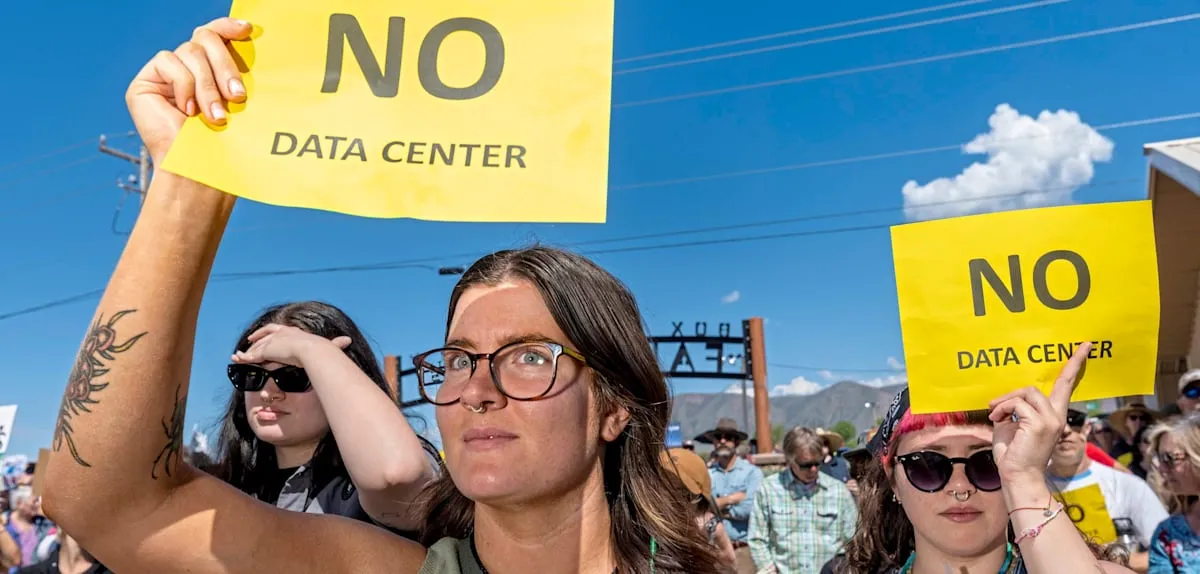
SILICON VALLEY – A growing wave of rejection against artificial intelligence (AI) intensifies across the United States, sparking massive protests that are now increasingly marred by violence, especially in the global technology hub, Silicon Valley. Fears of widespread unemployment due to automation fuel the anti-big tech corporation sentiment among workers and the broader public.
This phenomenon illustrates a significant escalation of public concern over the rapid pace of AI development. Initially, the protest movement focused on ethical discussions, regulation, and the technology's long-term impact. However, over time, these concerns have morphed into deeper frustration, driving street demonstrations.
The primary catalyst for this unrest is the tangible threat to job stability. Many anticipate that widespread AI adoption will automate millions of jobs, ranging from manufacturing and customer service to even creative and intellectual fields. This narrative creates a collective anxiety that is difficult to contain.
Workers across various sectors feel their positions are jeopardized. A recent report from an independent research institution indicates that approximately 30% of jobs in the US are at high risk of being replaced by AI systems within the next decade. This figure significantly fuels the wave of economic apprehension.
Protests, initially peaceful with banners demanding regulation and worker protection, are now entering a new phase. Several incidents of violence have been reported around the headquarters of prominent tech companies in Silicon Valley. Property damage and confrontations with security forces are beginning to emerge, indicating the escalating severity of dissatisfaction.
Political analysts and sociologists underscore the complexity of this issue. They argue that the outpouring of anger is not merely about the technology itself, but also about economic inequality and the loss of control over the future of work. Tech companies, perceived to gain immense profits from AI, are accused of being unresponsive to its social impacts.
Some industry leaders, including key figures at Google and OpenAI, have attempted to reassure the public by stating their commitment to responsible AI development. However, these promises often fail to quell fundamental public concerns, especially as waves of layoffs continue to hit the tech sector. Issues such as the hoax about Sam Altman's death that shook Google further demonstrate the fragility of public trust in narratives surrounding AI figures and companies.
The United States government now faces a major dilemma. On one hand, it seeks to foster technological innovation to maintain global competitive advantage. On the other, it must address social unrest and potential labor crises resulting from such innovation. A comprehensive regulatory framework is deemed urgent.
Experts call for a multi-sectoral approach involving government, industry, academia, and civil society. Constructive dialogue is necessary to balance AI's revolutionary potential with the need for social protection and a just transition for the workforce. Without serious efforts, polarization and violence could continue to worsen.
The future of the relationship between humans and artificial intelligence in the United States currently stands at a crossroads. Decisions and actions taken in the coming years will determine whether AI becomes an inclusive tool for progress or a source of deep social conflict.
Editorial Insight:
The escalation of anti-AI protests in the US, from peaceful to violent, reflects a collective failure to manage technological transitions equitably. Governments and tech corporations must urgently establish substantive dialogue with the public and invest seriously in reskilling programs and social protections, beyond mere promises, to prevent broader social fragmentation. This issue will be one of the greatest global economic challenges in 2026 and beyond.