 Gabriella

WASHINGTON – The United States government faces severe condemnation globally after making the controversial decision to livestream the execution of convicted individual Hassan. This move, widely regarded as barbaric and a regression of civilization, recalls medieval practices, sparking intense debate regarding the ethics of law enforcement and human rights.
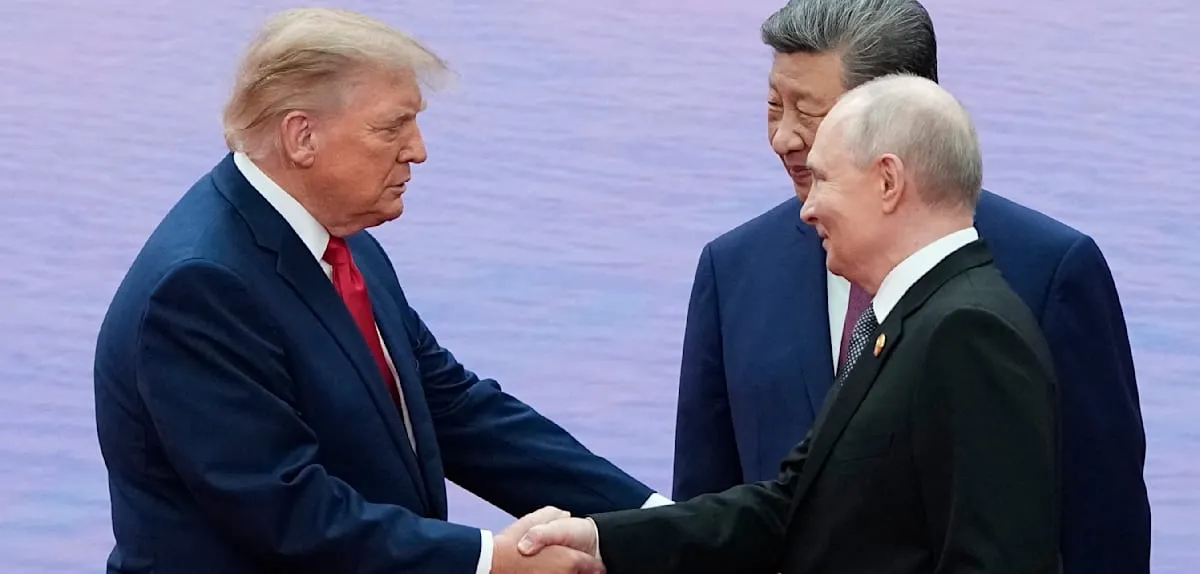
The decision, announced by President Donald Trump's administration, immediately shook the international diplomatic arena and human rights organizations. Various bodies, including the United Nations, expressed deep concern, emphasizing that broadcasting executions violates human dignity and could lead to collective trauma.
The practice of publicly displaying capital punishment has long been abandoned by most developed nations. Such traditions are generally associated with the dark ages, where physical punishments were often mass spectacles for intimidation and social control. Reviving this method through digital platforms is considered a regressive step that contradicts universal humanitarian values.
Numerous legal experts and psychologists have also voiced their worries. They argue that broadcasting an execution not only deprives the condemned of their final privacy but also risks normalizing violence in the public's mind. Instead of providing a deterrent effect, such broadcasts could lead to desensitization or even the glorification of heinous acts.
From an ethical journalism standpoint, the US government's decision also creates a significant dilemma. Many media outlets are reluctant to directly cover incidents of extreme violence, especially those involving death. Transparency, in this context, raises questions about its limits and its relevance to respecting life.
Some parties within the United States, including conservative groups and vocal supporters of capital punishment, argue that this broadcast is a necessary form of transparency. They believe the public has a right to witness the ultimate consequences of serious crimes and to affirm that justice is being served. President Donald Trump himself is known for his firm stance on law enforcement and capital punishment.
However, these arguments are dismissed by the majority of the international community. Pope Leo XIV of the Vatican, for instance, through his spokesperson, reiterated the Catholic Church's rejection of capital punishment in any form, especially when publicly broadcast. He called for universal respect for the life and dignity of every individual.
This case also brings to mind debates surrounding capital punishment in the US, which sometimes faces technical or humanitarian challenges. For example, cases like Convicted Killer Survives Execution, Christa Pike Returns to US Prison illustrate the moral and practical complexities within the justice system. Livestreaming this execution adds a new layer of complexity.
Concerns are rising that this decision could set a dangerous precedent for other nations, particularly those with poorer human rights records. The potential misuse of technology for purposes contrary to humanity poses a serious threat that must be closely watched.
The long-term impact on the United States' global image cannot be overlooked. As a nation often positioning itself as a guardian of democratic values and human rights, this move risks damaging its credibility and moral influence on the international stage. Discussions on this matter will continue in global forums.
Editorial Insight: The US government's decision to livestream Hassan's execution is a high-risk move that sparks profound ethical controversy. While claimed as a form of transparency or affirmation of law, this action more closely resembles practices from the past that are incompatible with modern civilizational development and universal human values. The negative global reaction indicates that the boundary between law enforcement and human dignity must be strictly maintained, even in the face of the most heinous crimes. This will be an important lesson in global legal and ethical discourse.