 Dodi Irawan
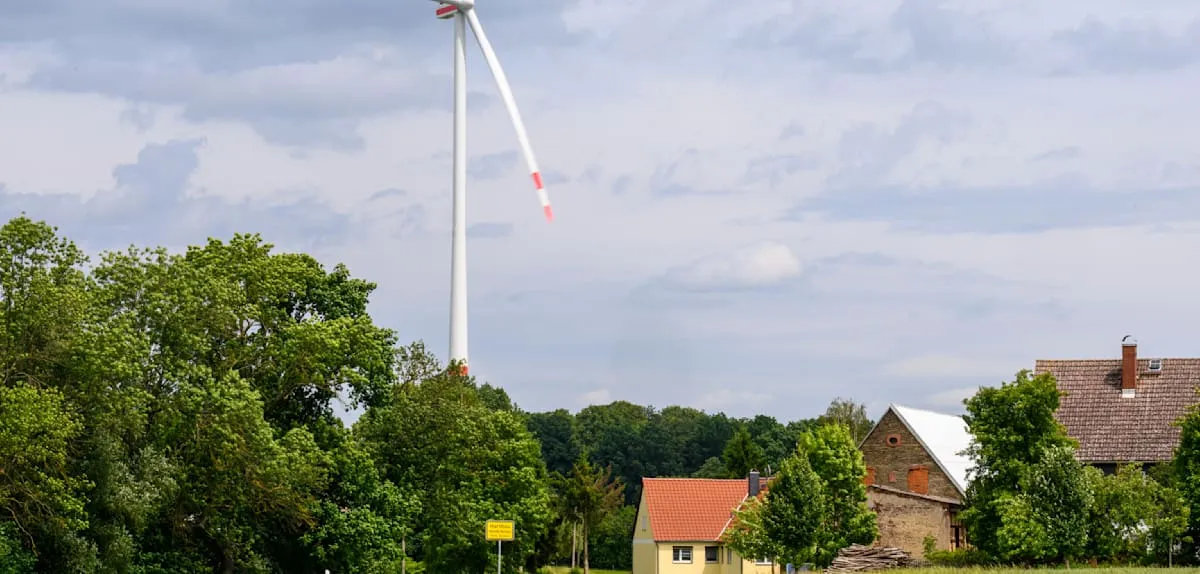
SAXONY, Germany — A wind power plant valued at ten million euros, once acclaimed as Saxony's tallest facility, now faces the drastic fate of complete demolition. This extreme decision was made in mid-2026, merely two and a half years after its initial operation in late 2023, following incessant complaints about a permanent humming or “brummton.” This incident marks a unique and unprecedented precedent in the history of wind energy development in Germany.
The massive investment poured into this ambitious project was intended to bolster clean energy supplies for the surrounding region. However, these hopes evaporated as noise disturbances began to dominate, perturbing local residents and ultimately compelling authorities to take drastic measures. The case immediately garnered national attention, underscoring the complexities of integrating environmentally friendly technology with community life.
The demolished wind turbine was strategically located in an area ideal for capturing wind energy, yet its proximity to residential areas proved to be a boomerang. Its modern design and construction failed to effectively mitigate sound emissions, transforming a valuable asset into a source of continuous complaints.
The low-frequency humming generated by the turbine reportedly significantly disrupted the quality of life for nearby residents. Although the developer had attempted mitigation, ranging from operational adjustments to in-depth technical inspections, a permanent solution to eliminate the noise remained elusive.
Since commencing operation in late 2023, this giant turbine became a symbol of renewable energy progress for Saxony. Ironically, however, it also served as evidence that technological innovation must proceed hand-in-hand with careful consideration of social and environmental impacts.
The demolition decision followed a series of lengthy consultations and intensive environmental and social impact assessments. Authorities concluded that the social cost of persistent noise far outweighed the energy benefits generated, rendering continued operation unsustainable.
The financial loss of ten million euros is not merely a severe blow to investors but also raises serious questions about the planning and evaluation processes for renewable energy projects. How could a project with such a substantial investment suffer a fundamental failure in a crucial aspect like sound emissions?
Renewable energy experts in Germany are now meticulously analyzing this case. They aim to identify valuable lessons that can be learned to prevent similar incidents in the future. The primary focus is on improving noise impact assessment standards and developing more effective sound reduction technologies.
This incident has also sparked a broader debate about the balance between green energy ambitions and community well-being. The importance of public participation and transparency at every stage of energy project development is highlighted, given its direct impact on local communities.
Looking ahead, the failure of this wind power plant in Saxony will serve as a critical case study for the global renewable energy industry. It affirms that a project's sustainability is measured not only by its energy production capacity but also by its ability to coexist harmoniously with the environment and surrounding population without causing significant disruption.